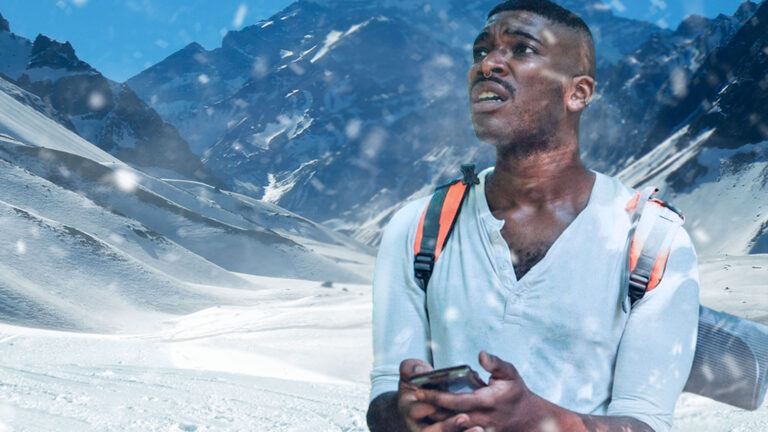
Few things beat standing among the mountains, breathing in air that feels crisp and clean, surrounded by scenery that looks pulled straight out of a fantasy film. It is easy to feel invincible up there, at least until the weather turns on you without warning.
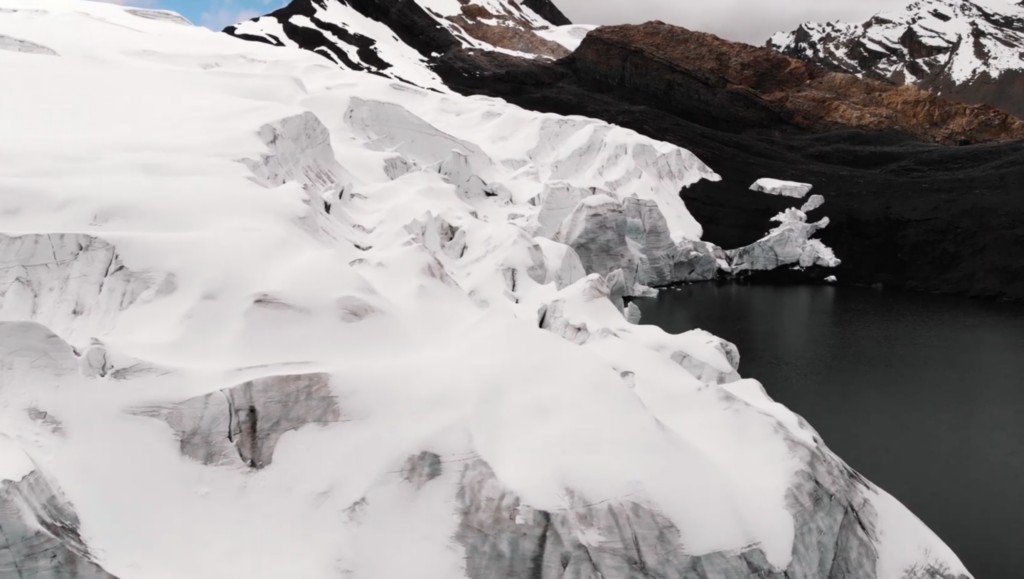
Say this trip is the one you have dreamed about for years, a hike through the Andes finally becoming real after months of planning and gear gathering. The range itself stretches an incredible 7,200 kilometers, or about 4,500 miles, crossing through seven different countries, second in height only to the Himalayas, and home to roughly 99 percent of the world’s tropical glaciers. Your plan calls for two days of scenic hiking, backed by about three days worth of supplies just in case.
Then, almost without warning, the weather shifts entirely. Fog rolls in and swallows the landmarks you were relying on, your sense of direction slips away, and the dream trip you had imagined suddenly turns into something far more urgent.
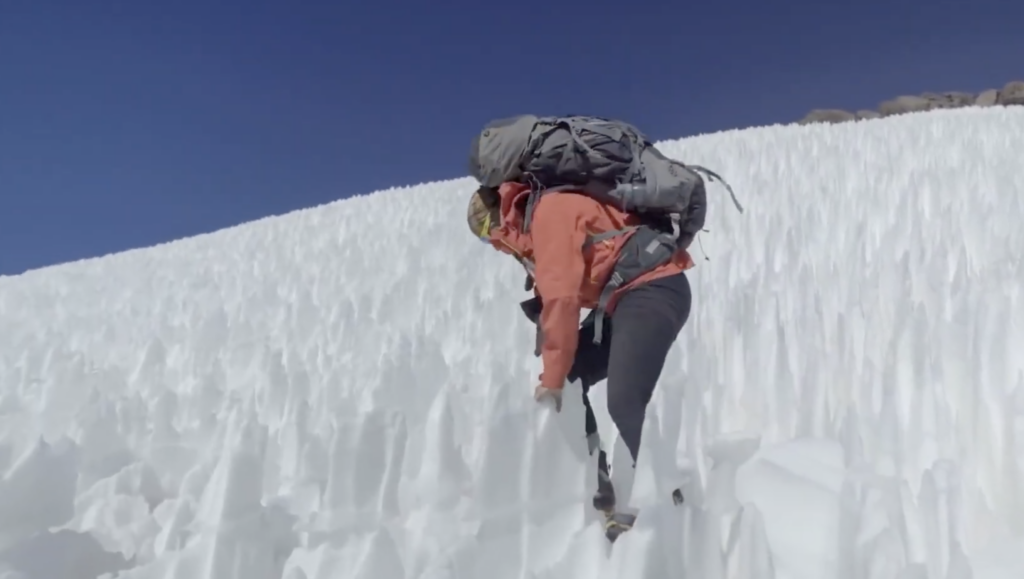
Once that happens, everything comes down to priorities, understanding the real dangers ahead, and knowing what actually gives you the best odds of getting out safely.
Step 1: Be Organized
Preparation matters more than almost anything else on a trip like this. Pack every supply you might realistically need, water and food included, along with clothing suited to the conditions, proper gear, and a first aid kit. A GPS device, if you can manage one, could end up being invaluable later. Just as important, map your route ahead of time and tell someone reliable where you are headed and when you plan to be back, since that information can make a rescue effort far faster if it ever comes to that.
Step 2: Know Your Surroundings
Understanding the terrain you are walking through is essential. As you move, take mental note of landmarks or notable features that could guide you later, and glance back periodically to confirm your route is still recognizable and passable. If there is any chance you could lose your way, use whatever is around you to mark your path. Should you actually become lost, the first move is simply to get your bearings, slow down, think clearly, and refocus on what matters most.
Step 3: Find Shelter
As daylight starts fading, shelter becomes the priority, since navigating unfamiliar terrain in the dark is far riskier than waiting it out. A tent or tarp, if you packed one, becomes your shelter for the night. Without either, start gathering branches and wood to build something functional. Choose a spot that avoids the deepest part of any valley, and ideally position yourself near a boulder that could offer some protection if an avalanche occurs. Getting real rest here matters enormously for the energy you will need the next day.
Step 4: Keep Dry
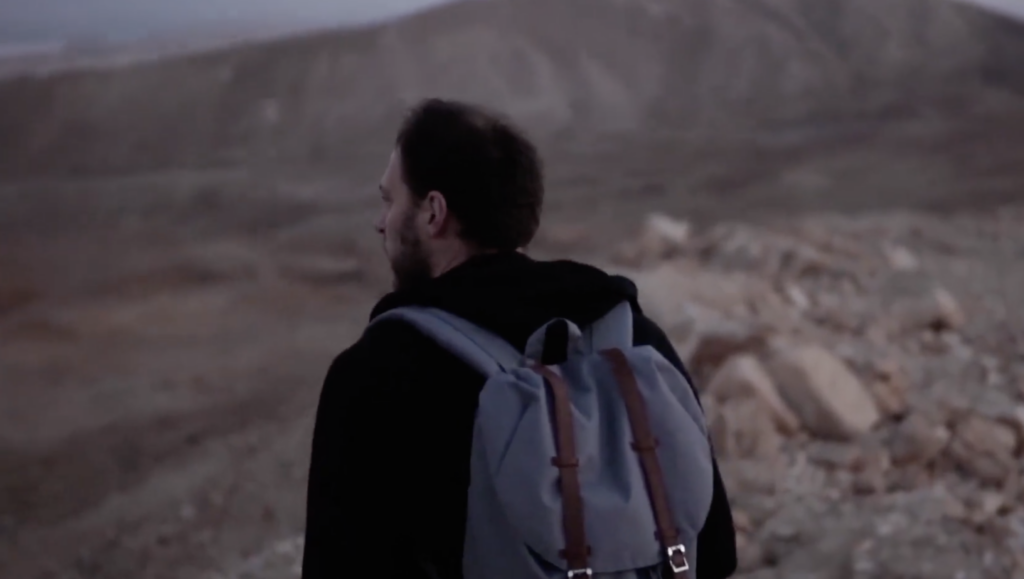
Staying dry ranks among the most important things you can manage out there. Wet clothing combined with cold air creates a serious risk of hypothermia, so if you do get soaked, change immediately. Avoid rivers and streams where possible, and if crossing one becomes unavoidable, keep a dry set of clothes protected so you can change right after.
Step 5: Water
If you have followed other survival guides before, this step probably feels overdue, and that instinct is correct. Across most of the Andes, drinkable water is fairly accessible. Fresh spring water is the ideal find if you come across it, though river water will work in a pinch. Just be cautious, since water that looks perfectly clean can still carry contamination, so boiling it first is always the safer choice when possible.
Step 6: Rescue
That GPS device mentioned earlier could end up being the single most useful item you packed if a search begins. Try not to wander far from your current position. Focus on building shelter and locating additional water and food while you wait. Even once someone has alerted rescuers to look for you, it could still take hours, sometimes even days, before they actually reach you.
Step 7: Self Rescue
This step applies if you have no way to communicate and never told anyone your plans before setting out. From here, survival depends almost entirely on your own decisions. Move and hike during daylight hours, then rest as well as you can once night falls, and wear anything brightly colored to improve your chances of being spotted.
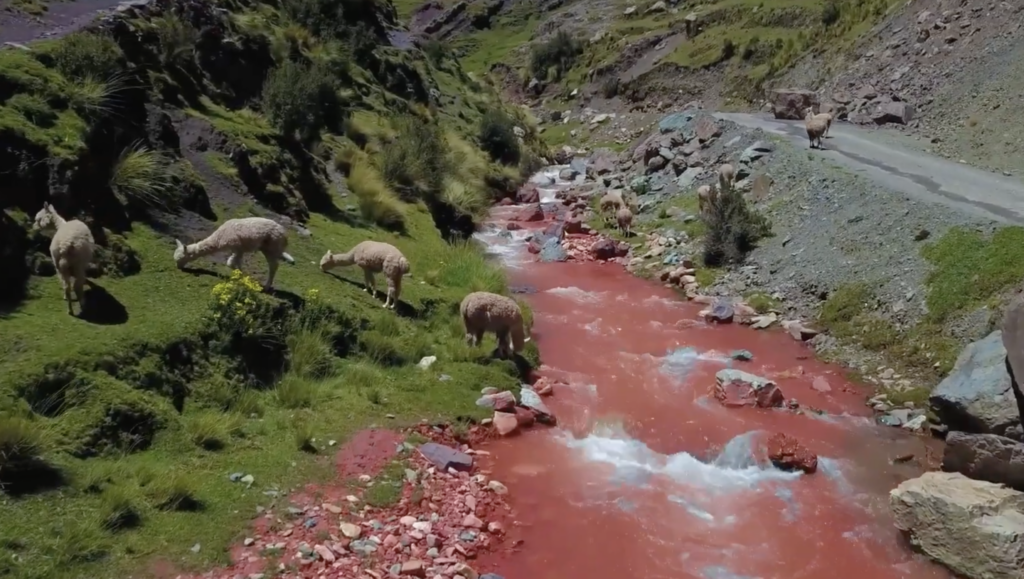
Ultimately, your strongest chance of finding your way out comes from following streams and rivers downhill, since that path will typically lead toward lower ground, safer terrain, and eventually some form of civilization.
Spending time outdoors is genuinely thrilling, but that excitement can create a false sense of safety. Research on Yosemite National Park alone shows that around 13 people get lost there every single day. That is obviously a very different setting than the Andes, but the underlying lesson still applies just as strongly.
Consider the case of Raul Fernando Gomez Circunegui, 58 years old at the time, who became lost in the Andes back in 2013 and managed to survive for four months by finding a hut he could use as shelter. His story is proof that hiking through mountains of this scale is never something to take lightly, and following steps like these can make all the difference on your next trip.