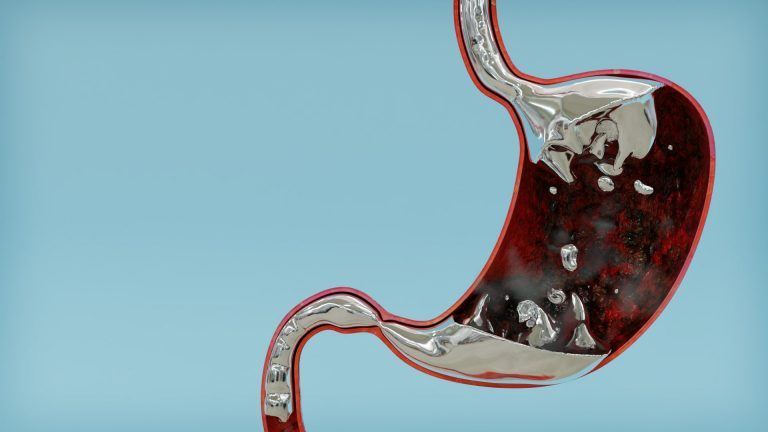
Drink a mouthful of liquid mercury and almost all of it comes straight back out.
In its liquid form, mercury is insoluble, meaning it cannot break down any further. As it travels through you, only about 0.1 percent stays behind. The rest simply passes through, killing bacteria and violently cleaning out your intestines on the way.
That sounds like a lucky escape. It is not, because the fraction that stays is where everything goes wrong.
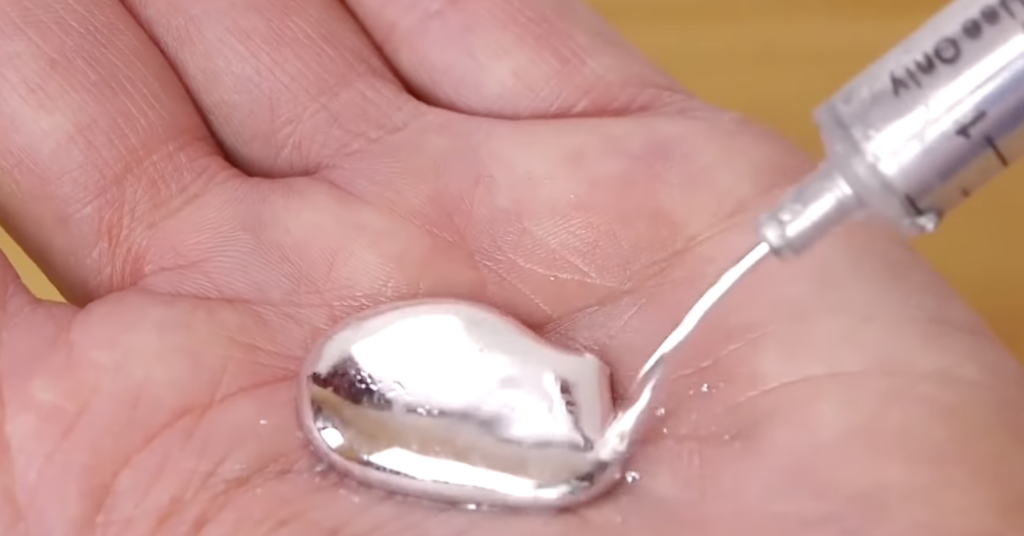
This metal exists in all three states as a liquid, a vapor, and a solid. And it may already be inside you.
Consider how casually people once treated it. In 1804, American explorers Lewis and Clark set out to map 12,900 km of land purchased from the French government. Today you could trace their route with a metal detector instead of a map.
Living on nothing but dried meat and whisky, the pair supplemented their diet with a laxative laced with mercury chloride. The pill was called calomel, it carried a high dose of mercury, and it gave them diarrhea so violent they nicknamed it thunderclaps.
Hundreds of years later, archaeologists still find elevated mercury in the soil where their campsites once stood.
Calomel was marketed as a cure for everything from syphilis to constipation. It certainly cleaned out their systems. Whether it did more harm than good is another question.
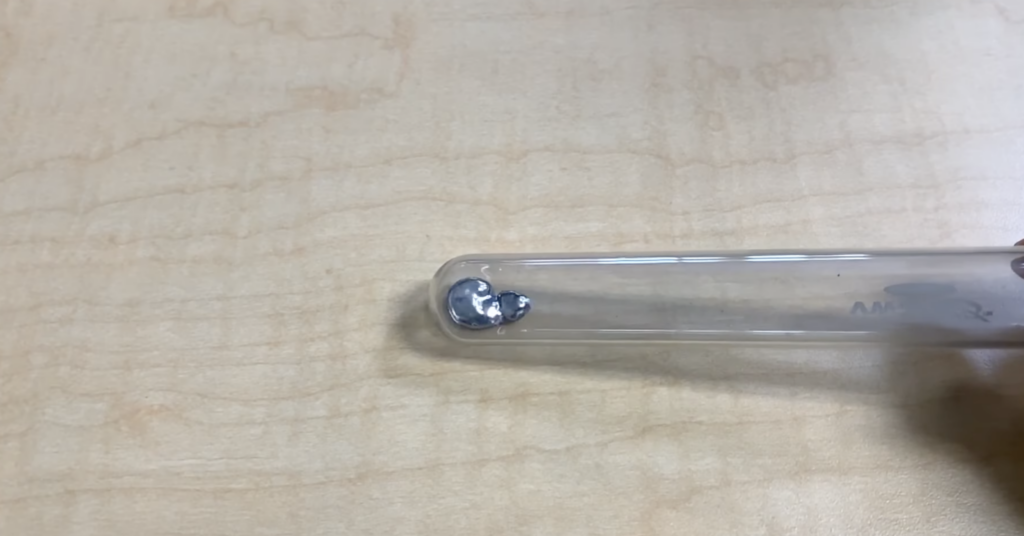
There are three types of mercury: elemental, organic, and inorganic. The elemental kind is the one you know, found in thermometers, electrical switches, and dental fillings.
You may have consumed some with dinner. Microorganisms on the ocean floor absorb and break down inorganic mercury compounds drifting in the sea, and when larger fish like mackerel, swordfish, or tuna eat those organisms, the metal moves up the chain. A heavy night at the sushi bar can leave you with a mild case of mercury poisoning.
But back to that 0.1 percent, because the danger is cumulative.
Keep ingesting liquid mercury and it can build up in your appendix. Over time, bacteria inside your body convert the metal into organic mercury compounds, and that conversion is when the real damage begins.

Once it crosses the blood brain barrier, mercury reaches your brain and causes severe neurological problems: anxiety, depression, irritability, tremors, and numbness. Muscles weaken, coordination fails, and mobility becomes limited.
Then it goes after your DNA, and DNA damage opens the door to chronic conditions including ALS, Parkinson’s disease, and even Alzheimer’s.

Your heart is not spared either. Too much liquid mercury can cause the heart to enlarge and its tissue to thicken, slowing blood flow until the cardiovascular system is at risk of shutting down. It can also impair kidney function and lead to renal cancer.
And yet, for everything swallowing it does to you, there is a worse way to take mercury in.
Liquid mercury vaporizes at room temperature.

Those atoms are invisible and completely odorless, and they dissolve into fats and oils. Once inside your lungs, mercury can poison your brain directly, causing sleep disorders and even paralysis. Unlike water vapor, it lingers for days or weeks, killing slowly while you have no idea it is there.
So the strange conclusion holds. Swallowing liquid mercury looks survivable precisely because 99.9 percent of it leaves your body.
Breathing the vapor rising off it is what causes damage lasting a lifetime.
Either way, leave the thermometer intact. Although if you are still curious about drinking metal, there is always gallium.