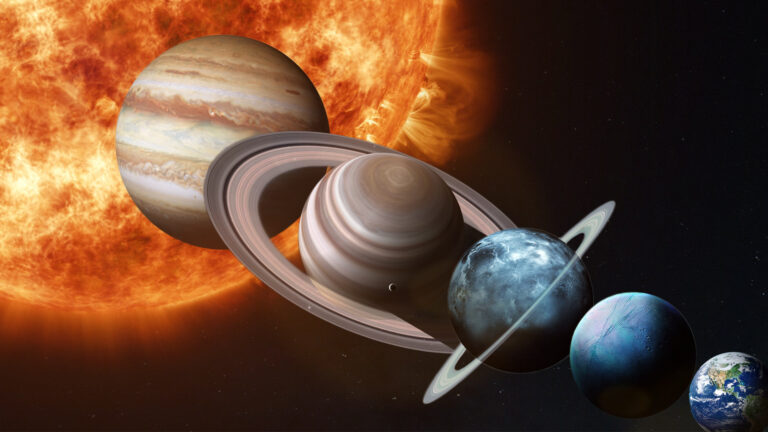
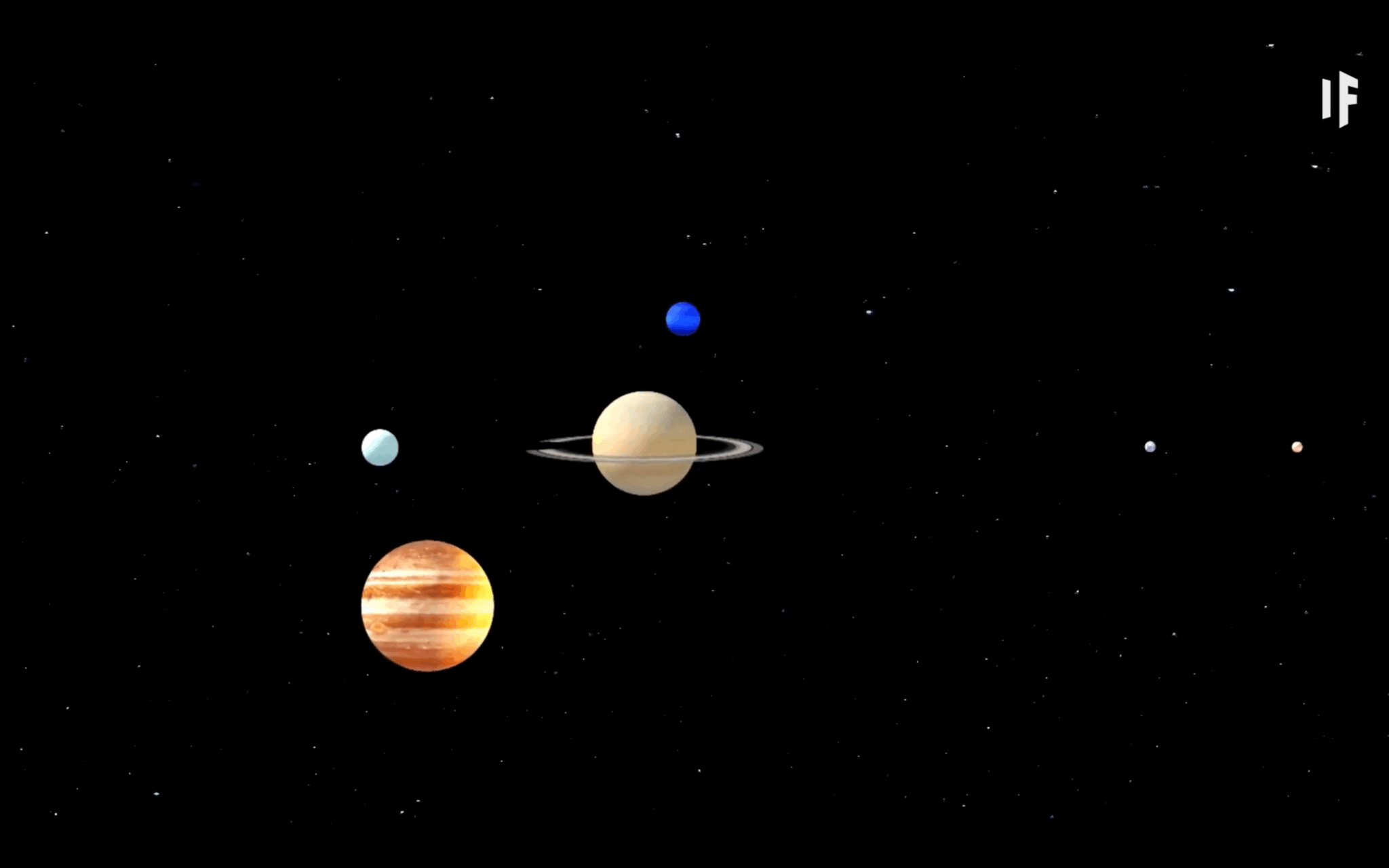
Our solar system appears beautifully organized, but its stability is actually the result of an incredibly delicate cosmic equilibrium developed over billions of years. Toying with the positioning of our neighboring worlds might sound like an intriguing cosmic puzzle, but the actual consequences would be utterly devastating. Whether we reorganized the planets sequentially by physical volume from largest to smallest, or reversed the layout entirely, our own planet would bear the brunt of the destruction.
Here is how a complete reshuffling of our planetary neighborhood would trigger a catastrophic collapse.
A Scorched Hot Jupiter Destroys the Inner Ring
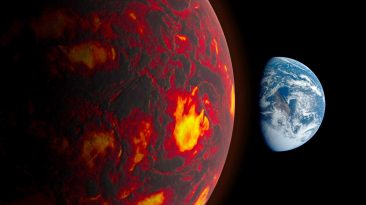
If we reorganized our planetary system strictly by dimensions, Jupiter would be yanked from the outer cold and forced into Mercury’s current path right next to the Sun. While this scenario sounds chaotic, astronomers tracking distant deep space systems have observed many alien stars orbited closely by these massive gas giants, classifying them as hot Jupiters.
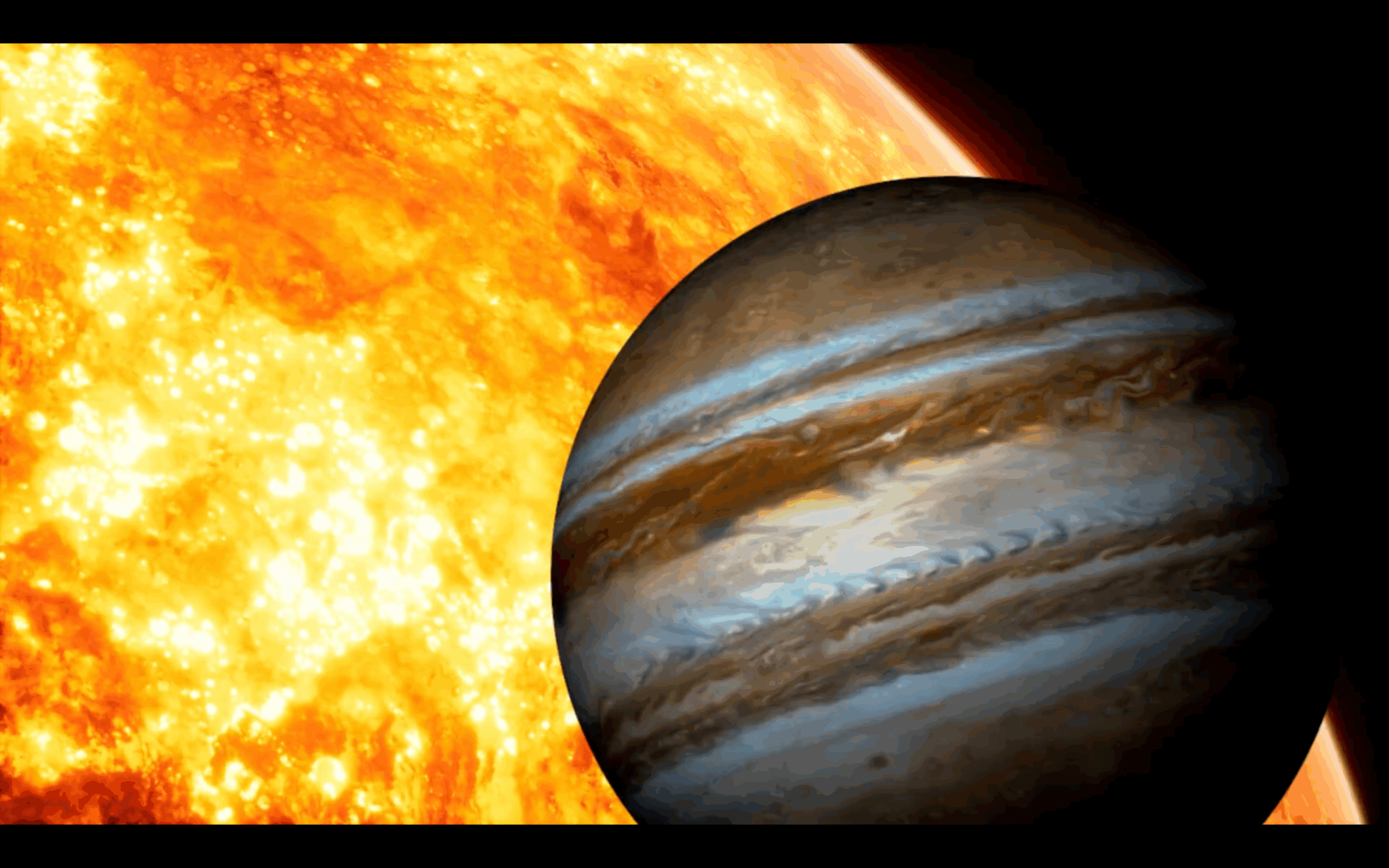
In this suffocatingly close orbit, Jupiter would complete a full solar loop every ninety days, causing its ambient temperature to skyrocket. The extreme heat would force its massive gas atmosphere to expand outward like a swelling balloon. Meanwhile, its frozen moons like Europa and Ganymede would watch their icy shells melt away into global oceans, only for those vast waters to instantly boil off into space. Jupiter would transform into a bloated, overheated giant dominating our central orbital highway.
Saturn Stripped of Its Iconic Ice Rings
Saturn would follow closely behind in this new arrangement, settling into the scorching orbital path where Venus currently resides. Trapped in a much warmer zone of the solar system, Saturn would quickly lose the breathtaking features that make it unique. The reflective water ice fragments that make up its magnificent ring system would rapidly evaporate, and the remaining space dust would be swept away into the void by powerful solar winds.
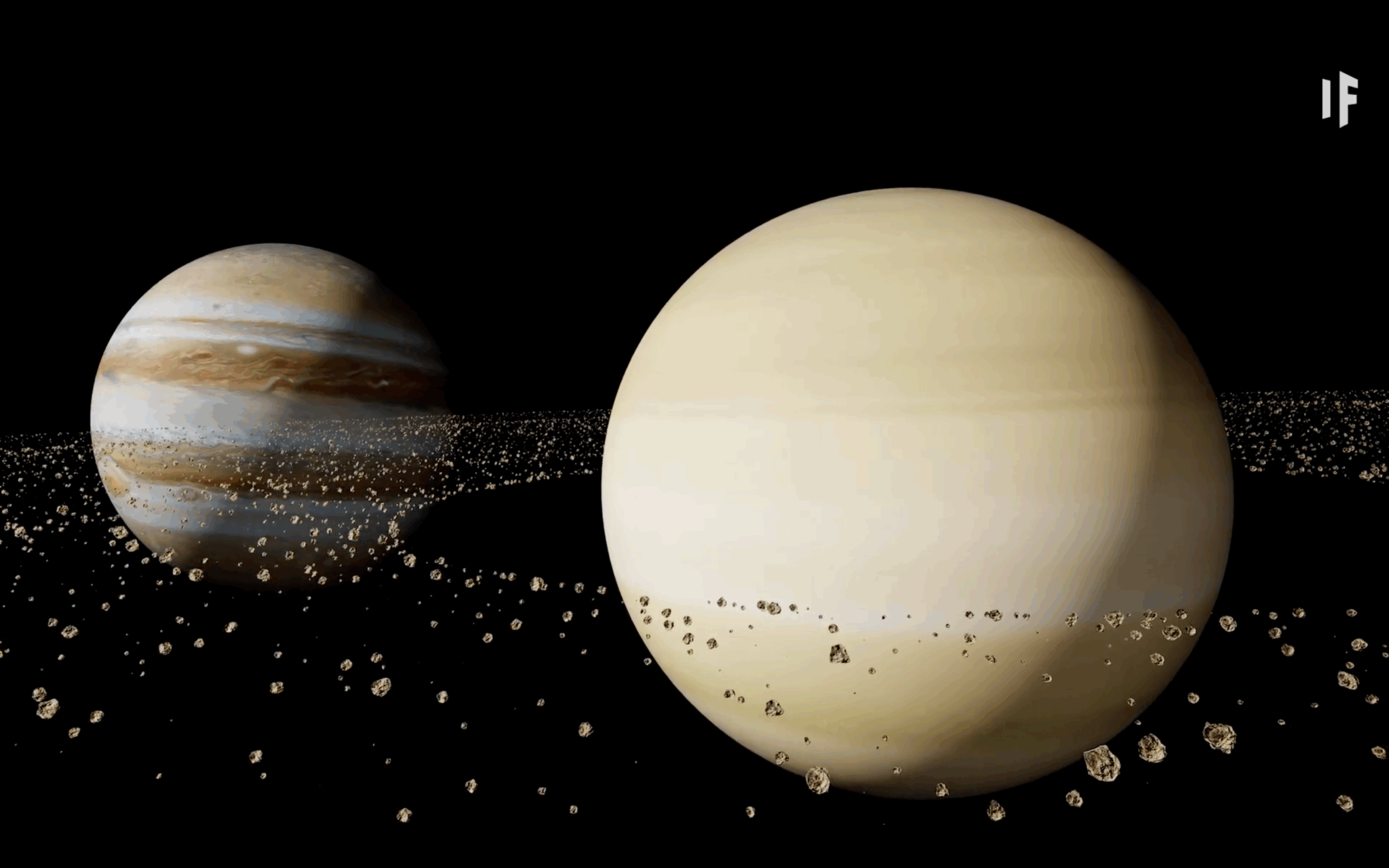
This planetary migration ruins more than just a beautiful view. The gravitational pull of Saturn’s rings actively stabilizes its complex network of moons. Without that ring material acting as a anchor, the internal dynamics of the entire Saturnian sub system would fracture beyond repair.
Earth Transforms Into a Dead Ice World
No matter which way you choose to reorder the planetary layout, Earth faces a definitive death sentence.
In a largest to smallest hierarchy, our home world gets thrown deep into the dark outer edges of the system. Receiving only a fraction of its normal sunlight, global temperatures would drop instantly. The oceans would lock up into solid ice sheets, agricultural networks would disintegrate, and surface life would freeze to death within months.
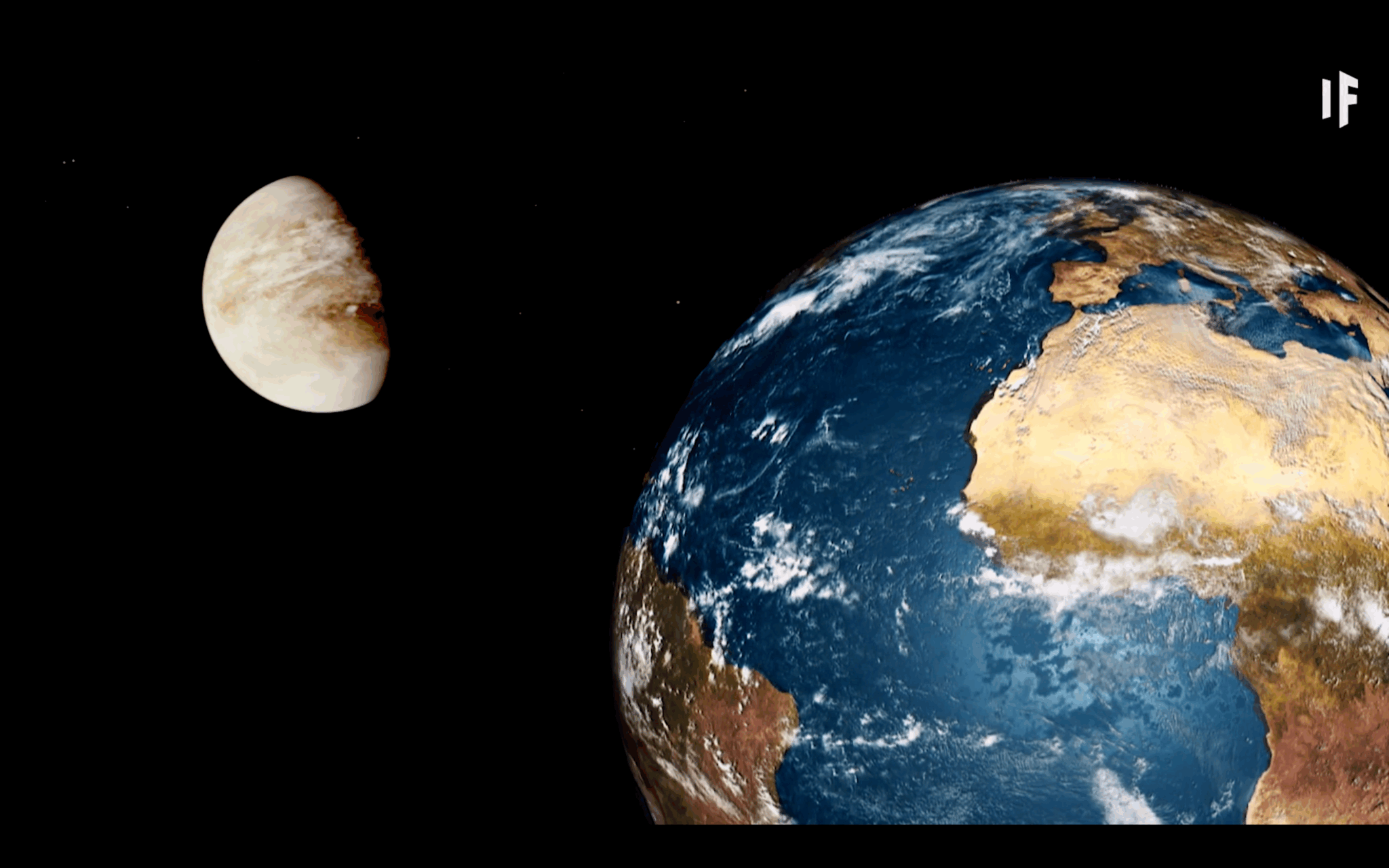
If we flipped the script and organized from smallest to largest, Earth would find itself in the fourth slot away from the Sun. Even this minor shift cuts our solar energy supply by roughly half, yielding the exact same frozen wasteland. Earth would become a silent, icy desert where only microscopic organisms huddled around volcanic deep sea vents could hope to survive.
Uncontrollable Gravitational Warfare
Shifting heavy gas giants into the inner solar system creates an immediate gravitational nightmare. Because these planets possess massive amounts of mass, packing them closer together means their intense gravitational fields would start constantly tugging on one another.
Lightweight rocky planets like Earth and Mars would easily be warped out of safe circular paths. They would either collide violently with each other or get thrown out into the interstellar dark entirely. Even if you placed the gas giants far away, shifting their orbits would rip open the asteroid belt, sending a non stop barrage of meteors and comets hurtling toward our fragile atmosphere. This widespread gravitational instability would permanently disrupt the entire solar structure.
The Ultimate Purpose Behind the Natural Order
Our current planetary alignment is not a random accident. The current layout was forged across billions of years of intense stellar evolution. When our star ignited around four and a half billion years ago, heavy rocky elements naturally stayed trapped in the hot center, cooling to form worlds like Earth. The lightweight, volatile gases drifted into the frozen outer margins, gathering to form the gas giants.
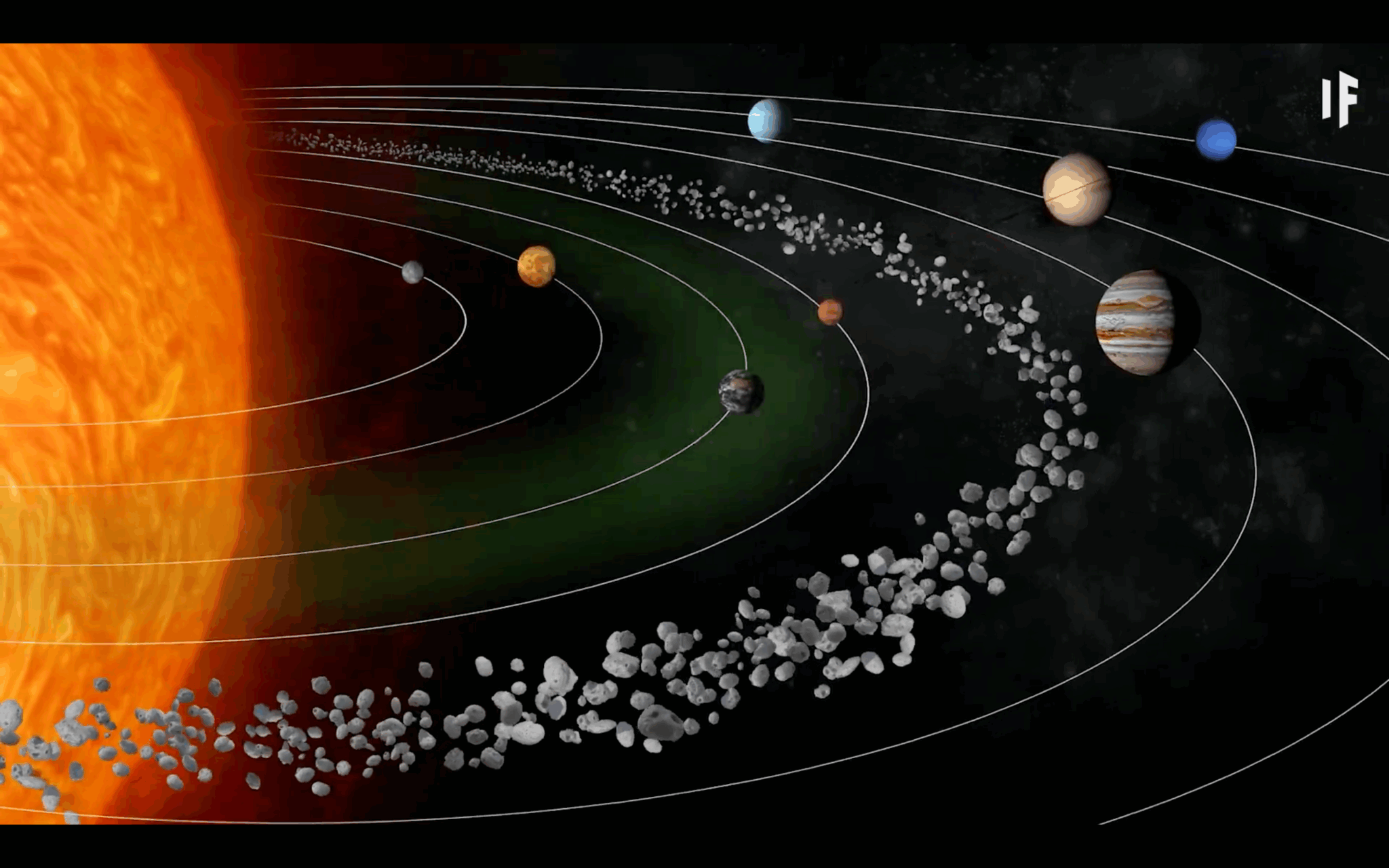
Roughly three and a half billion years ago, a massive cosmic adjustment took place when Jupiter and Saturn locked into a gravitational dance. This alignment pushed the remaining planets into highly stable, secure paths. This cosmic chain reaction is the only reason Earth features a calm climate perfect for human life. Rearranging the planets ruins this natural harmony, fracturing a perfect system and wiping out the exact conditions that keep us alive.