For most of human history, living to old age was a rare achievement. Just over a century ago, the average life expectancy in the United States was only around 50 years, with many people dying much younger because of infectious diseases, poor sanitation, dangerous working conditions, and limited medical care.
Today, thanks to remarkable advances in medicine and public health, people in many countries can expect to live close to 80 years or even longer.
But what if this was only the beginning?
Scientists and futurists believe humanity may eventually develop technologies capable of dramatically slowing or even stopping the aging process. Instead of simply treating diseases as they appear, future medicine could repair the damage that naturally builds up inside our cells over time. If successful, growing old might no longer mean growing weaker, and death from old age could become a thing of the past.
It sounds like science fiction, but research is already moving in that direction.
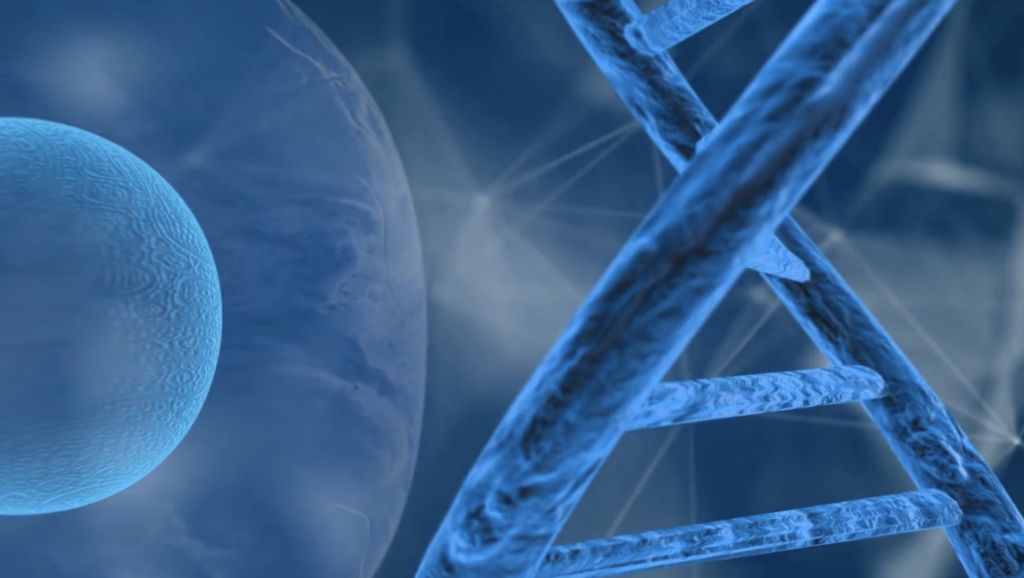
One of the most promising technologies is CRISPR, a revolutionary gene editing tool that allows scientists to modify DNA with unprecedented precision. Researchers hope that one day it could be used to correct harmful genetic mutations, reduce the risk of age related diseases, and even slow the biological processes responsible for aging itself.
While scientists are still far from achieving true biological immortality, every breakthrough brings new possibilities. Instead of accepting aging as inevitable, researchers are beginning to treat it as a medical challenge that may eventually be managed or delayed.
If humanity ever succeeded in preventing death from old age, the benefits would be enormous.
Perhaps the greatest advantage would be the extra time people could spend with those they love. Families could include several living generations at once, with children growing up alongside great grandparents, great great grandparents, and even older relatives. The knowledge, experience, and wisdom accumulated over centuries could be passed directly from one generation to the next.
Longer lives could also change how people think about the future. Decisions involving climate change, environmental protection, and long term investments might become far more important if individuals expected to personally experience the consequences centuries later. Instead of planning for the next few decades, society could begin thinking hundreds of years ahead.

Education and careers would likely change as well. People could spend decades mastering multiple professions, learning new skills, and pursuing passions without feeling pressured by limited time. A person might become a scientist, then an architect, then an artist, all within a single lifetime.
However, defeating aging would not automatically eliminate every health problem.
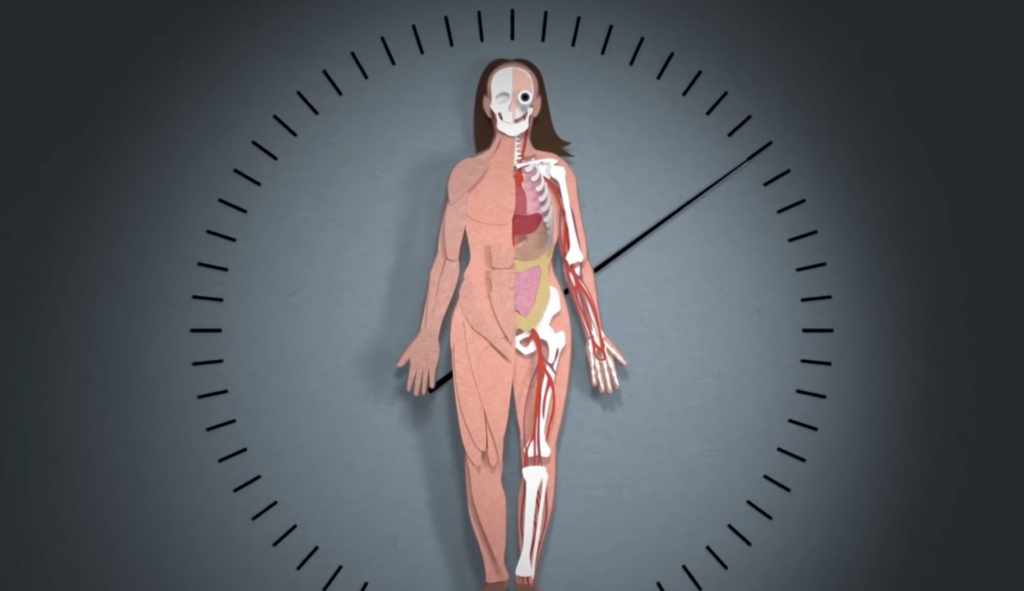
Growing older affects nearly every part of the human body. Bones weaken, muscles lose strength, and the brain gradually changes over time. Even if future medicine prevented the diseases that currently shorten our lives, maintaining healthy bodies and minds for centuries would present an entirely new set of medical challenges.
An aging population living much longer would require continuous healthcare, rehabilitation, and support. Even if hospitals became better at treating disease, long term care facilities and medical services could face enormous pressure as more people required assistance later in life.
Population growth would present another major challenge.
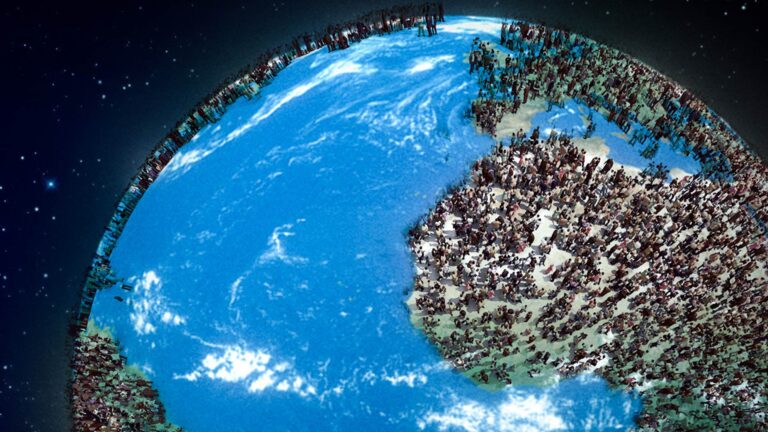
If people continued living for centuries while birth rates remained unchanged, Earth’s population could increase dramatically. More people would require more food, fresh water, housing, energy, and natural resources. Cities could become increasingly crowded, forcing governments to rethink urban planning and infrastructure on an unprecedented scale.

To prevent unsustainable population growth, some countries might consider limiting birth rates. Such policies would almost certainly spark intense ethical debates about personal freedom, family rights, and government authority.
Economic systems would also need to adapt. Retirement as we know it might disappear entirely. People could remain in the workforce for far longer, making it harder for younger generations to enter certain careers. Wealth could become concentrated among individuals who have had centuries to accumulate resources, potentially increasing economic inequality.
There is also the question of who would receive life extending treatments first.
Like many groundbreaking medical technologies, they would almost certainly be expensive at first. Wealthier nations and affluent individuals would likely gain access years before poorer populations. That gap could widen existing global inequalities, giving some countries healthier, longer living populations while others continued facing traditional health challenges.
Such an imbalance could reshape international politics, economics, and military power. Nations with access to advanced longevity technologies might enjoy decades or even centuries of accumulated knowledge and experience, potentially changing the balance of power across the world.
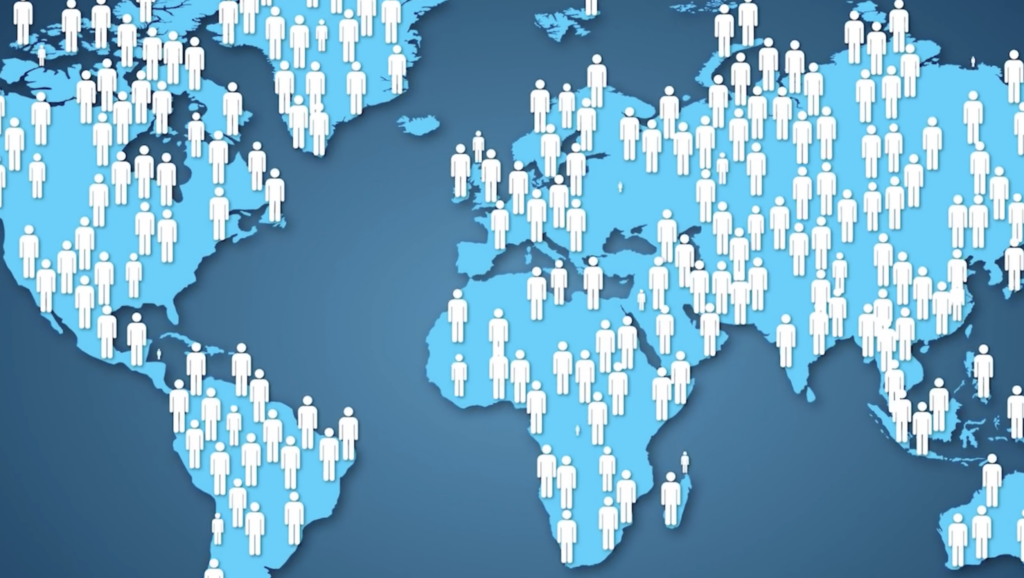
For all its promise, extending human life is about far more than adding years to a lifespan. It would transform nearly every aspect of civilization, from healthcare and education to economics, family life, and global politics.
Living longer may sound like the ultimate achievement, but immortality would come with responsibilities unlike anything humanity has ever faced. If we ever learn how to stop aging, our greatest challenge may not be developing the technology itself, but building a world capable of supporting generations that never truly grow old.
And if Earth eventually reaches its limits, humanity may have to look beyond our own planet. Expanding into space and establishing permanent settlements on worlds like Mars could become more than an ambitious dream. It might be a necessary step for a civilization that has learned how to live for centuries.