Most people experience allergies as something mild and manageable. A runny nose in spring, itchy eyes near dust, or a small rash after eating certain foods is common for millions of people around the world. But in rare cases, the human immune system can become far more sensitive, reacting to multiple triggers that make everyday life extremely difficult.
So what would life actually be like if you were allergic to almost everything around you?
There are documented cases of people living with extreme allergies that affect multiple parts of daily life. One example is Ross Dethick, a British boy who suffers from severe food and environmental allergies. His immune system reacts strongly to many common foods, including dairy, nuts, fruits, and most vegetables. Because of this, his diet is extremely restricted and he relies on a small number of safe foods to survive.

Even small exposures can trigger uncomfortable or dangerous reactions such as stomach pain, skin irritation, and rashes. On top of this, he also lives with asthma and eczema, which makes managing his environment even more important. His family must carefully control dust levels, cleanliness, and potential allergens in the home to reduce the risk of flare ups.
While extreme cases like this are rare, allergies themselves are extremely common. Tens of millions of people in countries like the United States live with some form of allergic condition. The most common triggers include pollen, dust, insect stings, and foods such as peanuts, milk, eggs, and shellfish. Most of these allergies can be controlled through avoidance or medication, allowing people to live relatively normal lives.
However, there are far rarer conditions that show what it might look like if your body reacted to almost everything in the environment.

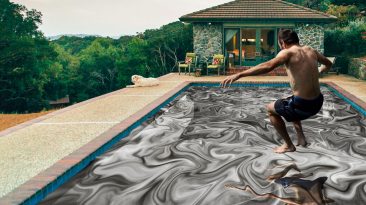
One of the most unusual is aquagenic urticaria, a condition where contact with water causes painful skin reactions. For someone with this condition, even simple daily activities like showering, washing hands, or walking in the rain can trigger itching, burning, or hives. Since water is essential for life, managing this condition becomes extremely challenging. There is no permanent cure, but certain creams and medications can help reduce symptoms.
Another rare condition is solar urticaria, where exposure to sunlight triggers allergic reactions. In severe cases, going outside during the day can lead to skin irritation, dizziness, and nausea within minutes. People with this condition often rely on protective clothing, sunscreen, and medication, although there is no complete cure. Some individuals experience improvement over time, but for others it remains a lifelong condition.

There are also cases where physical activity itself can trigger allergic reactions. Exercise induced anaphylaxis is a rare condition where even mild physical movement can cause serious symptoms, including difficulty breathing and lightheadedness. In extreme situations, it can become life threatening. A related condition, cholinergic urticaria, is triggered by increases in body temperature, meaning sweating, hot showers, spicy food, stress, or even fever can cause skin reactions such as hives.
Other allergies can be triggered by everyday materials. Nickel allergy, for example, causes reactions when the skin comes into contact with metals found in coins, jewelry, and common household objects. Dermographism is another condition where even light pressure or scratching on the skin causes raised red marks to appear temporarily, as if the skin is “writing” itself.
Despite how extreme these conditions sound, many of them can be managed with medical care, lifestyle adjustments, and careful avoidance of triggers. People living with severe allergies often learn to adapt their environment and routines to reduce exposure and stay safe.

While living with allergies to almost everything would be incredibly difficult, real cases show that it is still possible to build a life around these challenges. With awareness, preparation, and treatment, many individuals continue to work, study, and participate in daily life, even under strict limitations.
These rare conditions highlight how complex the human immune system can be, and how something as ordinary as water, sunlight, or food can become a serious obstacle when the body reacts in unexpected ways.