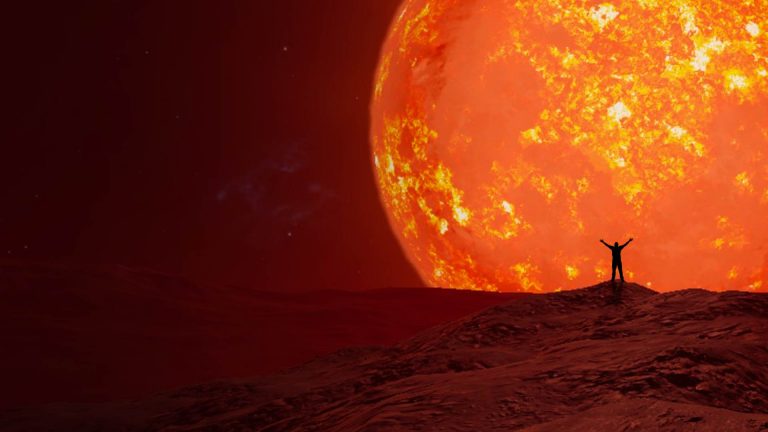
Betelgeuse is one of the most famous stars in the night sky. Sitting on the shoulder of the Orion constellation, this enormous red supergiant is nearly 950 times wider than the Sun. It has fascinated astronomers for centuries, not only because of its size, but because everyone knows its fate.
One day, Betelgeuse will explode in one of the most powerful events in the Universe.
But what if that day finally arrived? What if Betelgeuse exploded, and somehow Earth actually felt the blast?
Located about 650 light years from Earth, Betelgeuse is one of the closest massive stars expected to end its life as a supernova. Like all giant stars, it has burned through most of its nuclear fuel. When its core can no longer support its own weight, gravity will crush it, triggering a spectacular explosion that could briefly outshine an entire galaxy.
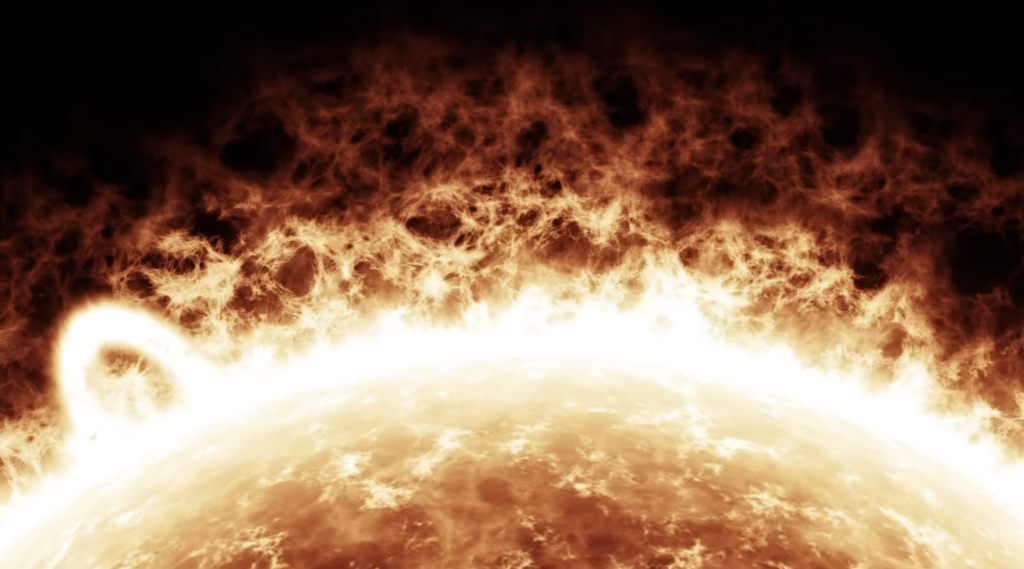
If Betelgeuse exploded tomorrow, the first thing we would notice would not be destruction, but an incredible light show. The star would become bright enough to rival the full Moon and might even remain visible during daylight for weeks or months. For skywatchers, it would be a once in a civilization event.
The reason we would see it for so long is because the explosion’s light would continue reaching Earth long after the star itself had died. Since Betelgeuse is about 650 light years away, everything we observe would actually be history, showing us an event that happened centuries ago.
Fortunately, Earth’s distance keeps us safe. Scientists estimate that a supernova would need to occur within roughly 50 light years to pose a serious threat to life. At more than ten times that distance, Betelgeuse’s radiation would spread out too much before reaching our planet to cause any lasting damage.
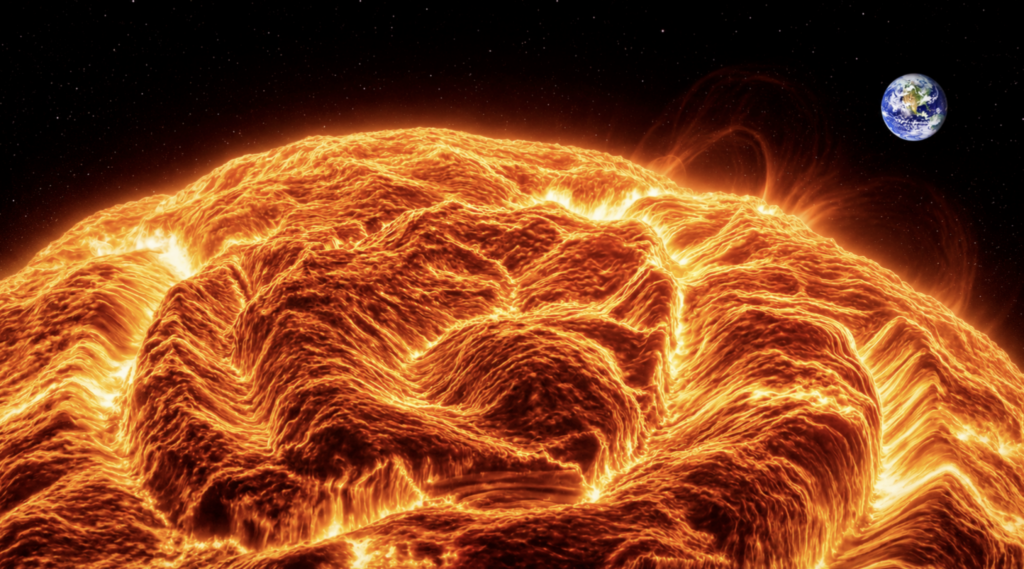
But imagine a different scenario. Imagine Betelgeuse was much closer, close enough for Earth to truly feel the blast.
The intense wave of gamma rays and high energy radiation would strike our planet with devastating force. Earth’s atmosphere would absorb some of the radiation, but not enough to prevent widespread destruction. The protective ozone layer could be severely damaged, allowing dangerous ultraviolet radiation from the Sun to pour through.
Living organisms would be exposed to lethal doses of radiation. DNA would be damaged, increasing mutations on a massive scale. Plants would struggle to survive, food chains would collapse, and many species could disappear. Satellites would fail, electronics could be crippled, and Earth’s atmosphere would undergo dramatic chemical changes.
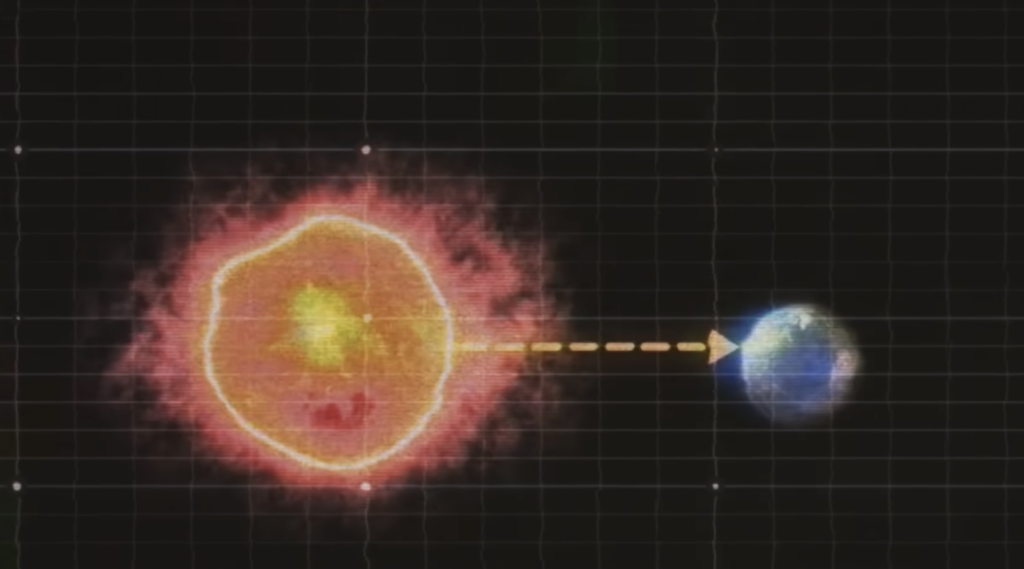
The explosion itself would not physically blow Earth apart. Space is simply too vast for the expanding shockwave to remain powerful over long distances. Instead, the deadly radiation would become the real threat, silently transforming the planet into an increasingly hostile place for life.
Thankfully, this nightmare remains firmly in the realm of imagination. Betelgeuse is far enough away that even when it eventually explodes, the event will be one of the greatest astronomical spectacles ever witnessed rather than a global catastrophe.
Astronomers also believe the star is unlikely to explode anytime soon. While Betelgeuse is nearing the end of its life by stellar standards, that final supernova may still be around 100,000 years away.
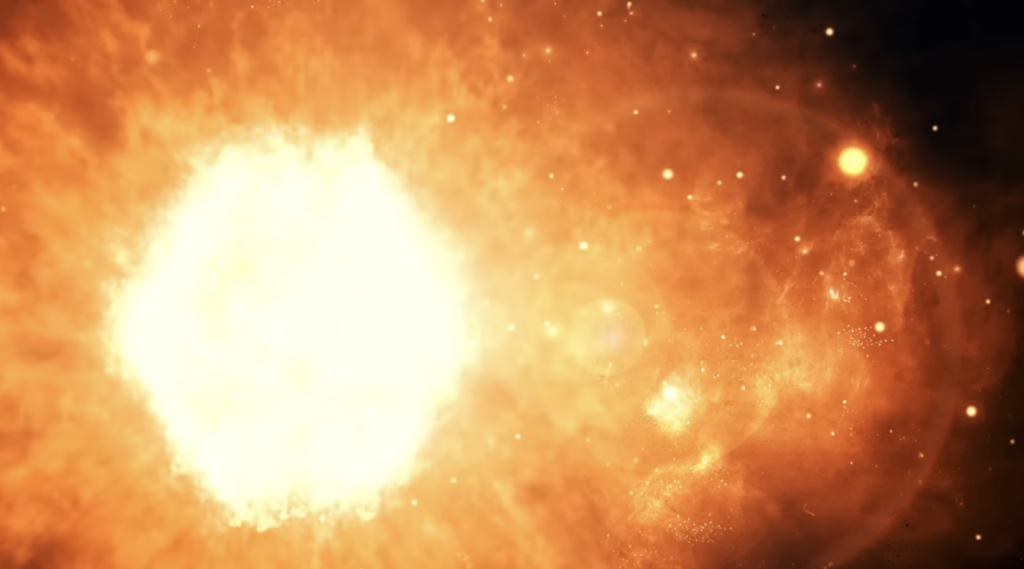
When it finally happens, Orion’s familiar shape will change forever, and one of the brightest stars in the sky will disappear. The explosion will provide scientists with an extraordinary opportunity to study the death of a massive star, while everyone else will simply look up and witness one of the greatest light shows the Universe has to offer.
Luckily for Earth, the only thing we’ll truly feel is awe.