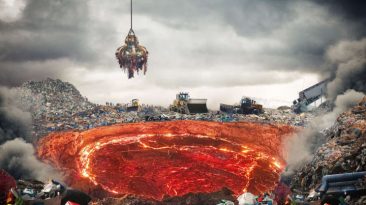
Nobody knows the exact day it will happen. It could be tomorrow, or decades from now. But one thing is certain. The San Andreas Fault is constantly building pressure beneath California, and when that pressure is finally released, millions of people could experience one of the most destructive natural disasters in modern history.
How bad could it really get? Could California recover? And would the effects spread far beyond the United States?
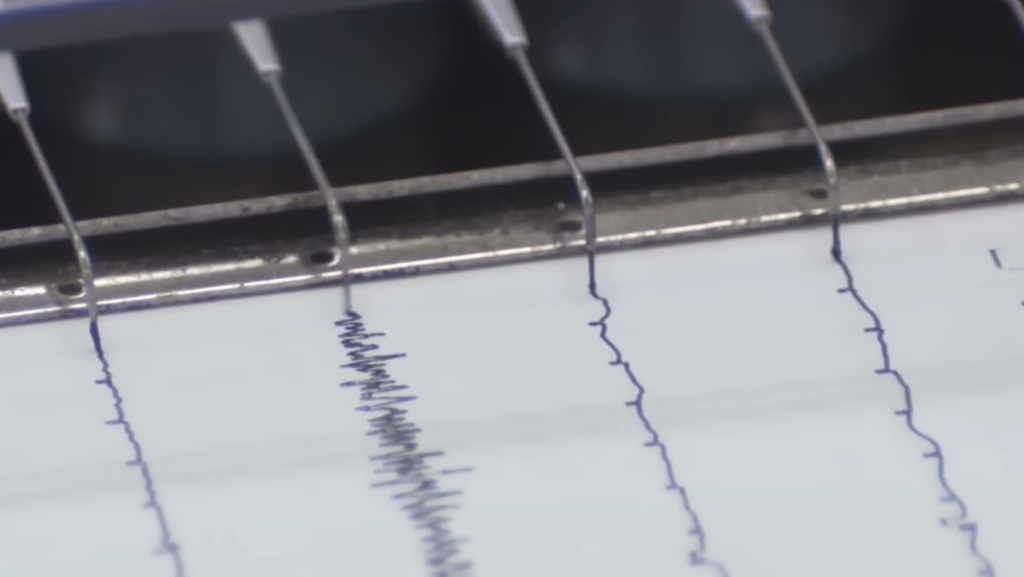
Scientists have spent decades modeling what a massive rupture along the southern San Andreas Fault could look like. Their simulations paint a grim picture. Thousands of injuries, widespread fires, collapsed buildings, damaged highways, and hundreds of thousands of people forced from their homes could become reality within minutes.
Emergency crews would face enormous challenges. Rescue operations could continue for weeks as workers search damaged neighborhoods, clear debris, and restore basic services. Hospitals would be overwhelmed while emergency shelters fill with families who suddenly have nowhere to go.
The San Andreas Fault stretches for roughly 1,200 kilometers (750 miles) through California. It marks the boundary where the Pacific Plate slowly slides past the North American Plate. Although the plates move only a few centimeters each year, they do not move smoothly. Instead, they lock together, storing tremendous amounts of energy underground.

Eventually, the rocks can no longer withstand the stress. They suddenly snap, releasing decades or even centuries of built up energy in seconds. That violent release sends powerful seismic waves racing across California, shaking everything in their path.
The region has experienced devastating earthquakes before. Historic ruptures have destroyed entire neighborhoods, sparked massive fires, and permanently changed the landscape. Every major quake has provided scientists with more information, but it has also served as a reminder that another large event is inevitable.
If the fault finally produced a magnitude 8 earthquake, the rupture could extend across hundreds of kilometers. Some of the strongest shaking would occur in Southern California, where millions of people live and work.

Modern skyscrapers are designed to sway during earthquakes, but not every structure is equally prepared. Older buildings, aging bridges, and outdated infrastructure would face the greatest risk. Even many newer buildings could suffer enough damage to become temporarily unusable.
The shaking itself would only mark the beginning of the disaster.
Broken gas lines could ignite fires across multiple cities at once. Water mains could rupture, making those fires much harder to extinguish. Hillsides weakened by the shaking could collapse into neighborhoods, while cracked roads and damaged bridges isolate entire communities.
Transportation across California could grind to a halt. Airports might temporarily close for inspections. Railway lines could twist out of alignment. Major highways crossing the fault could split apart, making it difficult for emergency crews to reach the hardest hit areas.
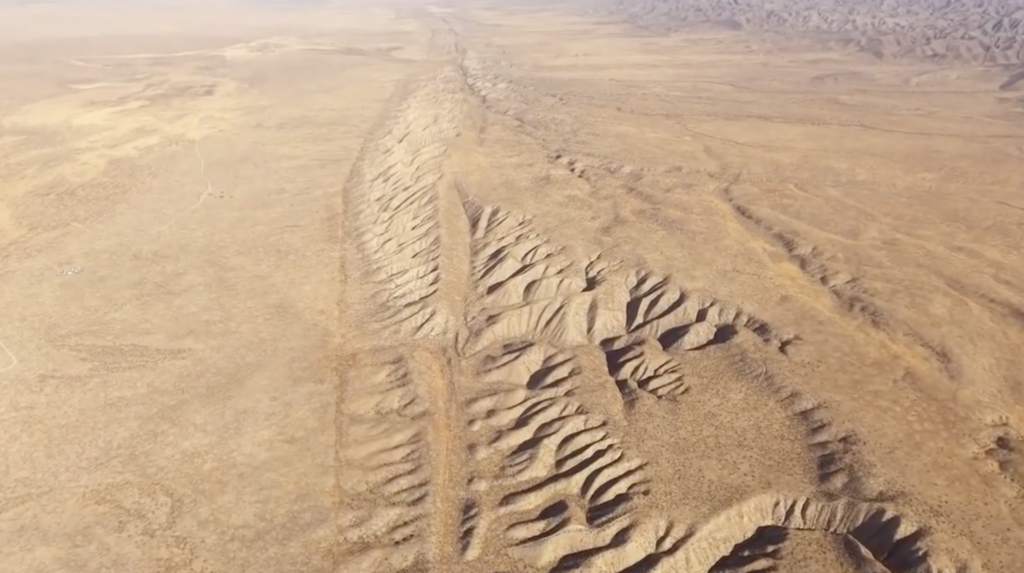
Water could quickly become one of the biggest concerns. Several aqueducts that deliver water to Southern California cross the San Andreas Fault. If these systems are damaged, millions of residents could lose access to clean drinking water until repairs are completed.
Energy infrastructure is also vulnerable. Oil and natural gas pipelines cross sections of the fault, and damage to these networks could increase the risk of fires while disrupting fuel supplies across the region.
The financial consequences would extend far beyond California.
California has one of the largest economies in the world, producing goods and services that support industries across the globe. A major earthquake could cause hundreds of billions of dollars in damage, including destroyed buildings, interrupted businesses, and massive repair costs.

Ports along the California coast handle a huge share of products entering the United States. If ports, highways, railroads, or warehouses are heavily damaged, supply chains across North America could slow dramatically. Everything from electronics to food deliveries could become more expensive as transportation networks struggle to recover.
Insurance would soften some of the financial blow, but many homes and businesses still lack earthquake coverage. Rebuilding entire communities could take years, and some residents might choose to relocate permanently instead of starting over.
California has invested heavily in stronger building codes, early warning systems, and emergency planning. These improvements would save countless lives compared with previous generations. Even so, no amount of preparation can completely eliminate the damage caused by one of Earth’s most powerful geological events.
The San Andreas Fault will not remain quiet forever. The only uncertainty is when it will finally release the enormous pressure hidden beneath California, and how prepared millions of people will be when that day arrives.