For centuries, extinction has been viewed as permanent. Once a species disappeared, it was considered gone forever, surviving only in fossils, museum collections, and history books. But advances in modern genetics are beginning to challenge that idea, opening the possibility that some of Earth’s lost animals could one day walk the planet again.
Researchers are now asking an extraordinary question. Instead of simply protecting endangered wildlife, could science actually reverse extinction? If genetic technology continues to improve, bringing back vanished species may no longer belong only in science fiction. The challenge is determining whether nature would benefit from their return or whether reintroducing them would create entirely new ecological problems.
How Scientists Plan to Bring Back Extinct Animals
The field driving this research is known as de-extinction. Rather than cloning an extinct animal outright, scientists study fragments of ancient DNA recovered from bones, teeth, preserved tissue, or frozen remains. They then compare those genes with the DNA of living relatives to identify the traits that made the extinct species unique.
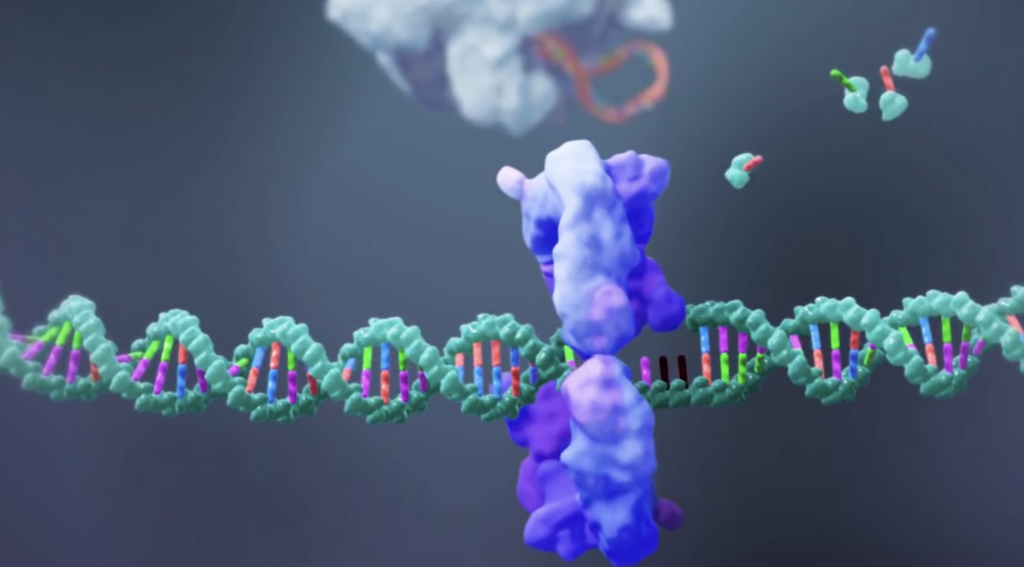
Using powerful gene-editing tools, researchers hope to insert these ancient genetic traits into living animals. The result would not be a perfect copy of the extinct creature, but a close genetic relative that shares many of its physical and biological characteristics.
Unfortunately, there is a limit to how far back this technology can reach. DNA gradually breaks apart over time, and after long enough it becomes too damaged to reconstruct. That is why dinosaurs remain beyond the reach of modern genetics. Their extinction occurred tens of millions of years ago, leaving no usable genetic material behind.
Why Mammoths Are Receiving the Most Attention
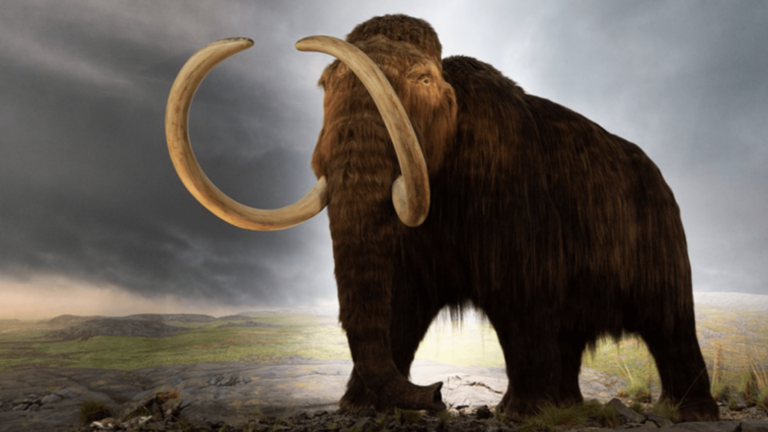
Among all extinct animals, the woolly mammoth has become the leading candidate for revival. Many mammoths lived during the last Ice Age, and some remains have been remarkably well preserved in Arctic permafrost. Frozen hair, skin, and soft tissue have allowed scientists to recover much more DNA than is available for most extinct animals.
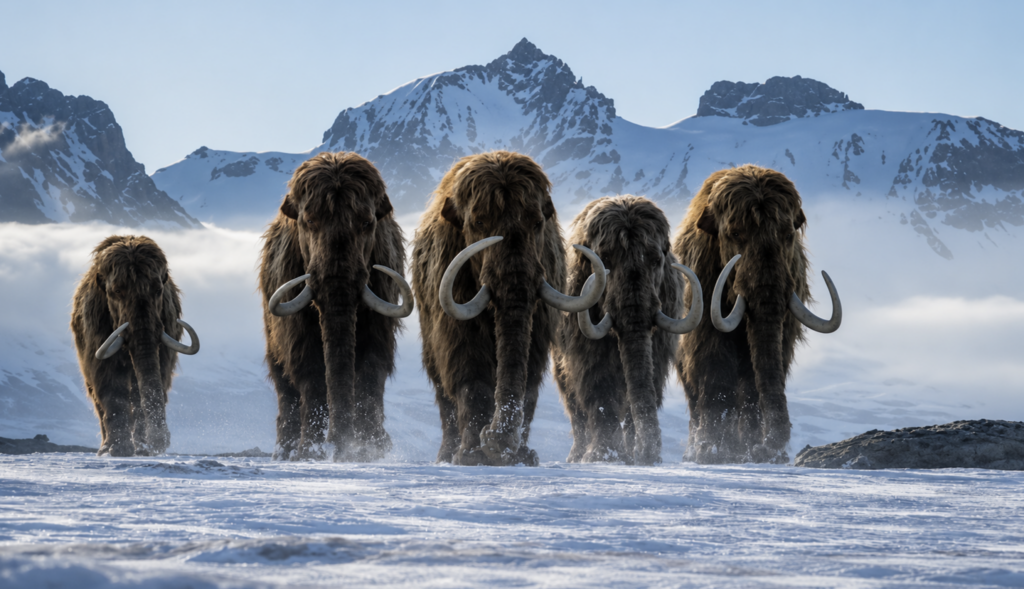
Instead of attempting to recreate a mammoth from scratch, researchers are exploring ways to modify the DNA of modern Asian elephants, their closest living relatives. By introducing genes responsible for thick fur, cold resistance, and other mammoth traits, scientists hope to produce animals capable of surviving in environments similar to those once occupied by their ancient ancestors.
Some researchers even believe these animals could eventually help restore Arctic ecosystems by reshaping vegetation and slowing the melting of frozen ground.
Which Other Species Could Return?
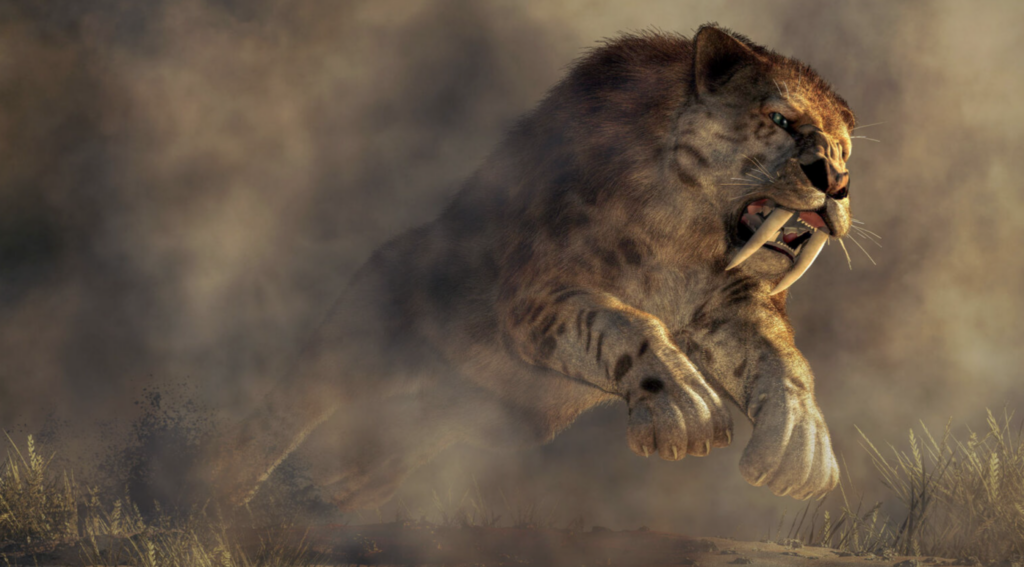
If genetic technology proves successful with mammoths, many other extinct animals could become future candidates. Birds such as the dodo have been widely discussed because closely related living species still exist. Other possibilities include the passenger pigeon, the Tasmanian tiger, and several extinct mammals whose DNA has been partially preserved.
The idea becomes far more controversial when discussing extinct human relatives. While some people speculate about recreating species like Neanderthals, such proposals raise enormous scientific and ethical questions. Even if it became technically possible, it remains unclear whether these individuals could adapt to the modern world or whether such experiments should ever be attempted.
The Ecological Challenges Ahead
Bringing back an extinct species would be only the beginning. Modern ecosystems have changed dramatically since many of these animals disappeared, and introducing them into today’s environments could have unpredictable consequences.
Large herbivores and predators influence entire food webs, and adding them to ecosystems that have adapted without them could affect countless other plants and animals. Scientists would need to study where revived species could live safely and whether enough suitable habitat still exists.
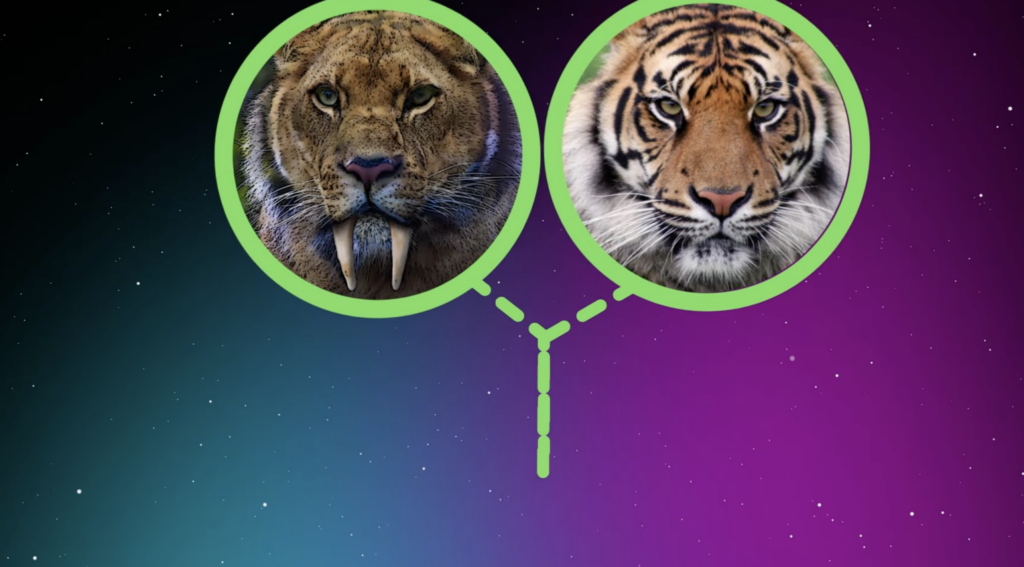
There are also concerns about disease, breeding, and competition with endangered wildlife. A species that disappeared thousands of years ago may struggle to survive in today’s climate, while others could unexpectedly outcompete animals already living in those environments.
Can Genetics Reverse Extinction?
The science behind de-extinction continues to advance, but many experts believe the greatest value of this research may not be bringing extinct species back. Instead, the same genetic technologies could help protect animals that are still alive today by increasing genetic diversity and strengthening vulnerable populations.
Ultimately, the debate is about more than simply recreating famous animals from the past. It forces humanity to consider its responsibility toward the natural world. Reviving an extinct species would be an extraordinary scientific achievement, but preventing extinction in the first place may prove to be an even greater success.