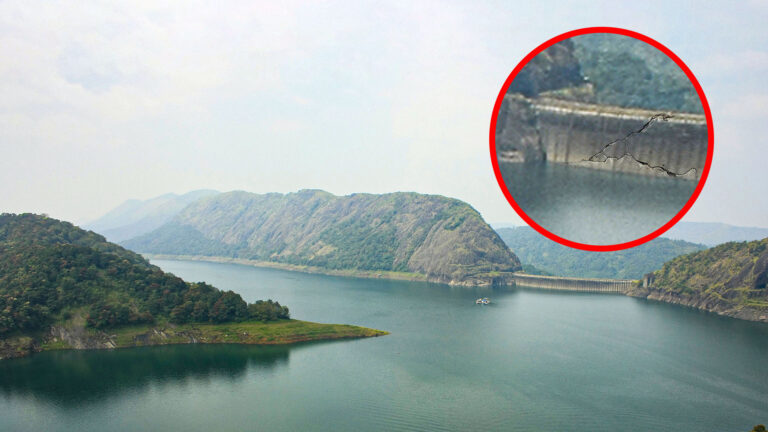
Two earthquakes have already cracked it.
One in 1979. Another in 2011. Both left visible fractures in the wall of a dam that was built more than a century ago, and both raised the same uncomfortable question that experts have been asking ever since: what happens when the next one is stronger?
Downstream from that wall, more than 3.5 million people are living their ordinary lives.
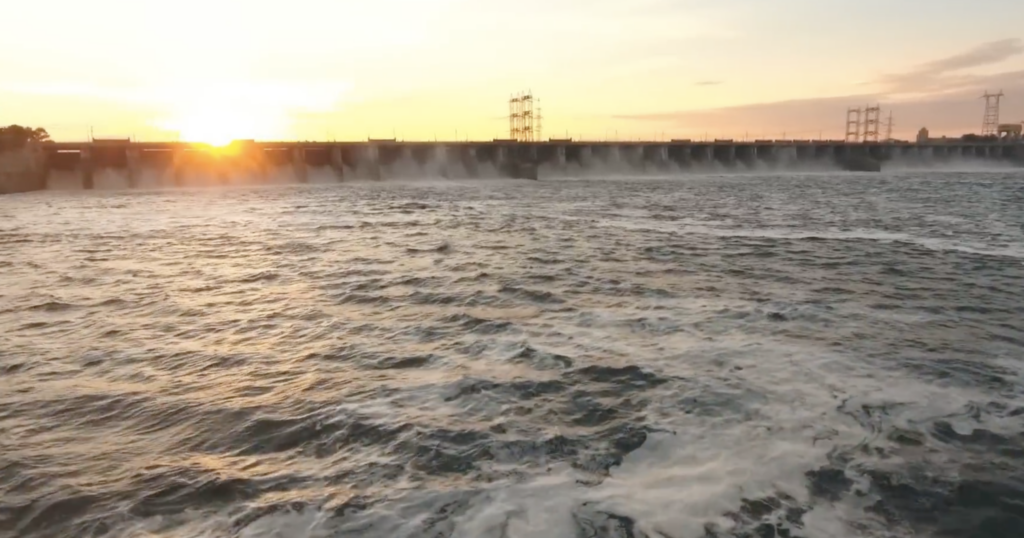
The Mullaperiyar Dam sits in India’s Kerala state, doing a job it has performed without complaint for over 100 years. It supplies irrigation water and generates power for both Kerala and neighboring Tamil Nadu, and to a passing eye it looks like nothing more than a solid piece of early engineering.
The structure stands 54 meters tall. It was designed using methods that predate modern safety standards by generations, which is exactly the problem. Engineering has advanced enormously since it was built, and structures from that era are routinely reassessed to see whether they can still handle the pressures placed on them today.
Now add the seismic history. Kerala has been shaken repeatedly over the years, and those two notable tremors did not just rattle the region. They left marks on the dam itself.
To understand what is really at stake, stand on that wall for a moment.
On one side, a reservoir stretches out across the landscape holding roughly 443 million cubic meters of water. On the other side, controlled flows run downstream toward farms, towns, and families who have never thought twice about it.
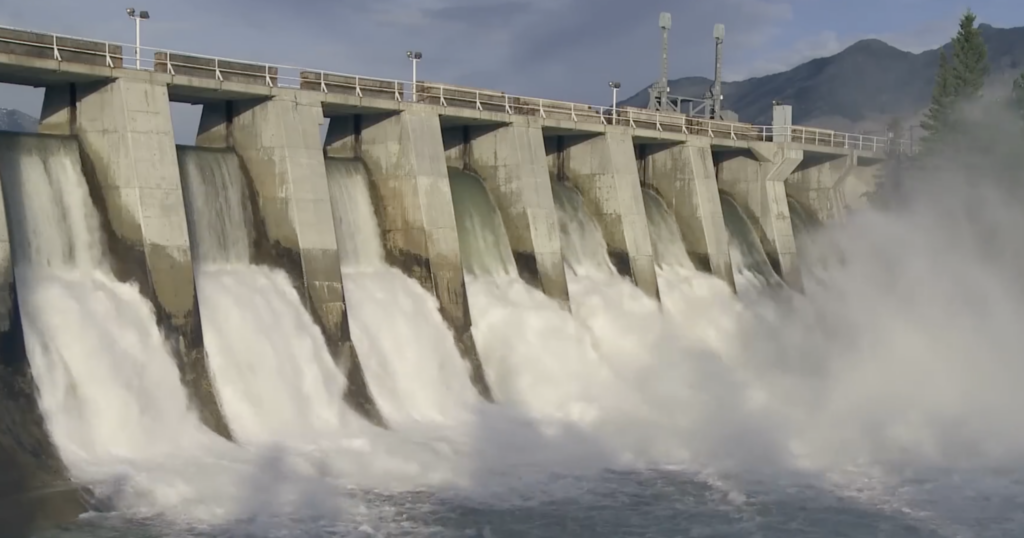
During monsoon season, the pressure behind that wall climbs even higher, and the margin for error shrinks toward nothing.
Now imagine the morning it goes wrong.
The ground shakes. Only briefly, a few seconds of tremor, the kind of minor earthquake that comes and goes without anyone panicking. Life carries on. But deep inside the aging structure, stress points have quietly shifted.
Then comes a sharp crack.
A small fracture opens along the wall. Water seeps through slowly at first, so gradual that it barely looks like a problem. Within minutes, the flow grows. Pressure widens the crack, and the widening accelerates everything.
Anyone standing there would understand immediately. The fracture reaches deep into the reservoir, and millions of cubic meters of water begin forcing their way through weakened concrete. From that instant, evacuation is the only option anyone has left.
Moments later, the dam fails.
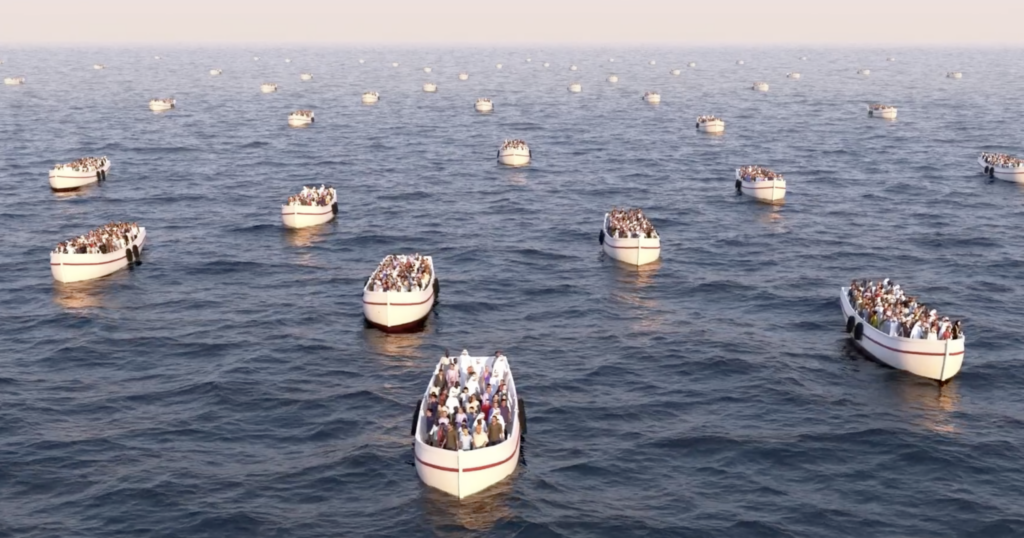
What follows is a wall of water surging downstream, dragging soil, rock, and shattered pieces of the dam along with it. Rivers become uncontrollable torrents. Roads, bridges, and buildings are erased from the landscape as the flood passes through, and the sheer volume released could fill hundreds of thousands of Olympic sized swimming pools, all moving at once.
Communities below would have almost no time. Entire towns could vanish under water before residents managed to reach higher ground. Hundreds of thousands of lives would be affected directly, millions more indirectly.
And that is only the first stage.
Roughly 25 kilometers downstream stands the Idukki Dam, another critical piece of the region’s water system. On paper it is built to handle large inflows. But a sudden surge from a failed Mullaperiyar, especially with Idukki’s own reservoir already full, could overwhelm it entirely.
If Idukki gives way too, the disaster stops being local. A chain reaction across multiple interconnected dams could carry the destruction outward, potentially all the way toward the Arabian Sea, putting more than 3.5 million people in the path of flooding, displacement, and collapsing infrastructure.
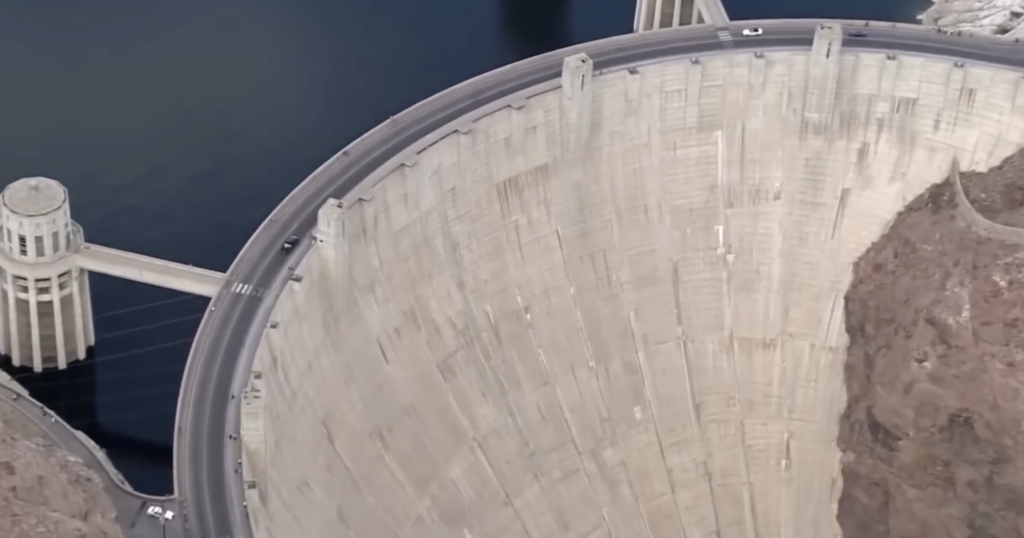
Afterward, the region would be unrecognizable. Survivors would face water supplies contaminated with debris, chemicals, and heavy metals. Whole areas could become uninhabitable in the short term, forcing mass evacuation and long term relocation. Rebuilding the infrastructure alone would run into the billions.
But the most unsettling part of this scenario is not the destruction. It is the uncertainty.
Experts have argued about this dam for years, and legal disputes between regional governments have tangled its future even further. Some assessments, including work from international research bodies, have suggested that decommissioning or major reconstruction may be necessary to bring the risk down.
Meanwhile the wall stands, holding back 443 million cubic meters, serving millions of people every single day exactly as it has for over a century.
Mullaperiyar is both an achievement and a warning: proof that infrastructure built to last still has to be re examined as the world around it changes. Whether the answer turns out to be reinforcement, replacement, or removal, the real question was never whether a collapse is possible.
It is whether anyone is ready for the morning it happens.