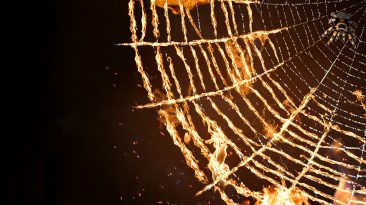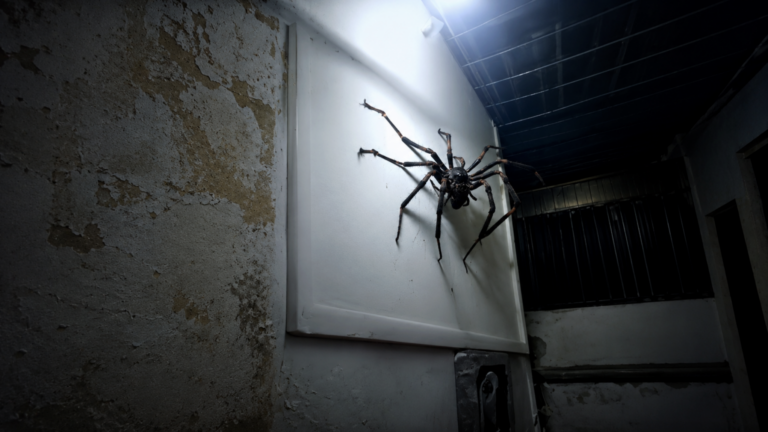
Somewhere in the 1700s, an artist drew a giant spider devouring a hummingbird.
That single illustration gave the animal its name, and the name has been misleading people ever since. The Goliath bird eating spider almost never eats birds.
But before we correct the record, understand what you are actually looking at, because everything else about this creature lives up to the nightmare.
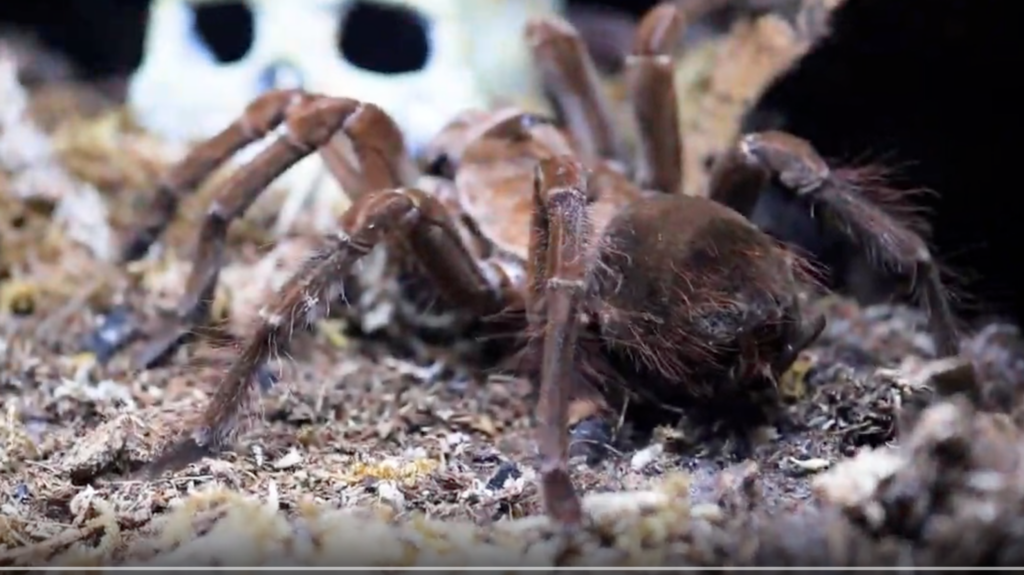
Deep in the rainforests of South America lives a spider that can reach the size of a dinner plate. It is the biggest spider in the world by mass, and if you have arachnophobia, this is your warning.
A thick hairy body. Eight glossy eyes. Fangs powerful enough to pierce human skin. And when threatened, it fires tiny barbed hairs off its own body, turning its defense into something closer to a weapon.
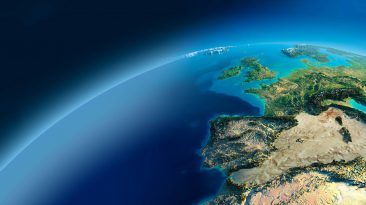
Yet despite all of that, it does not hunt people or wander into cities. It stays in the humid rainforests of northern South America, across Venezuela, Brazil, Guyana, and Suriname, spending most of its life hidden underground in burrows or tucked beneath roots and fallen debris, waiting for something to walk past.
Which brings us back to the name.
Birds are not its main food source at all. Its actual diet is far more ordinary: insects, worms, frogs, lizards, and occasionally a small snake or rodent when the opportunity appears.
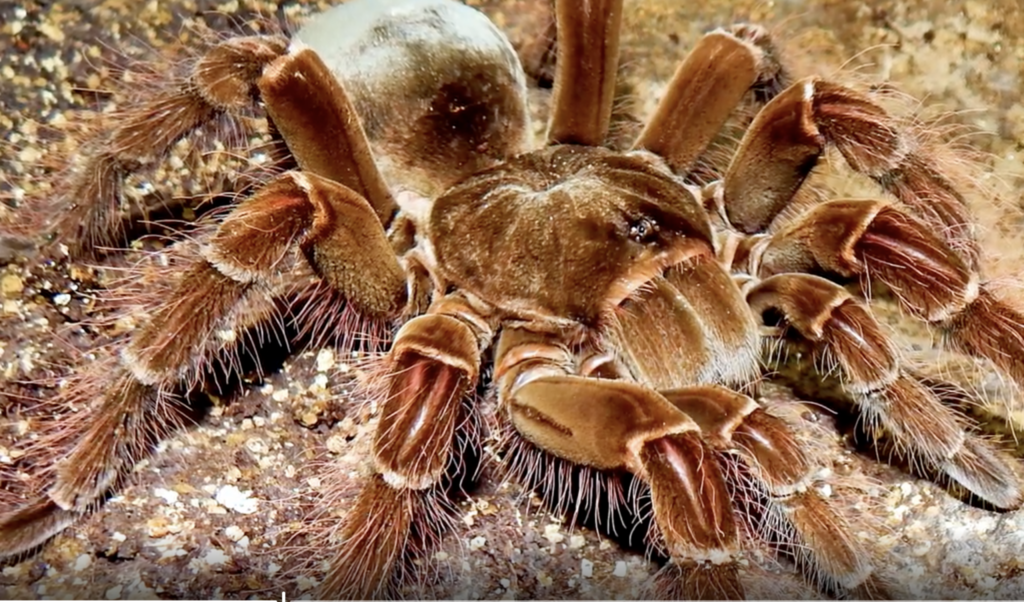
There is a practical reason for that. Birds can fly away. This spider is not fast, and it never was. Its weapon is patience.
It hunts by ambush, holding perfectly still until something comes close enough, then striking and injecting venom through its fangs. That venom breaks down the internal tissue of the prey, liquefying it into something the spider can drink.
Its eyesight is poor, so it does not rely on seeing anything. Instead, its legs are coated in sensitive hairs that read vibrations traveling through the ground, letting it feel the tiniest disturbance nearby.
Those same hairs double as its defense. When threatened, the spider kicks urticating hairs off its abdomen, and those bristles irritate skin, eyes, and airways enough to convince most predators to back off. It can also produce a hiss by rubbing body parts together, an unsettling warning sound in an otherwise silent forest.
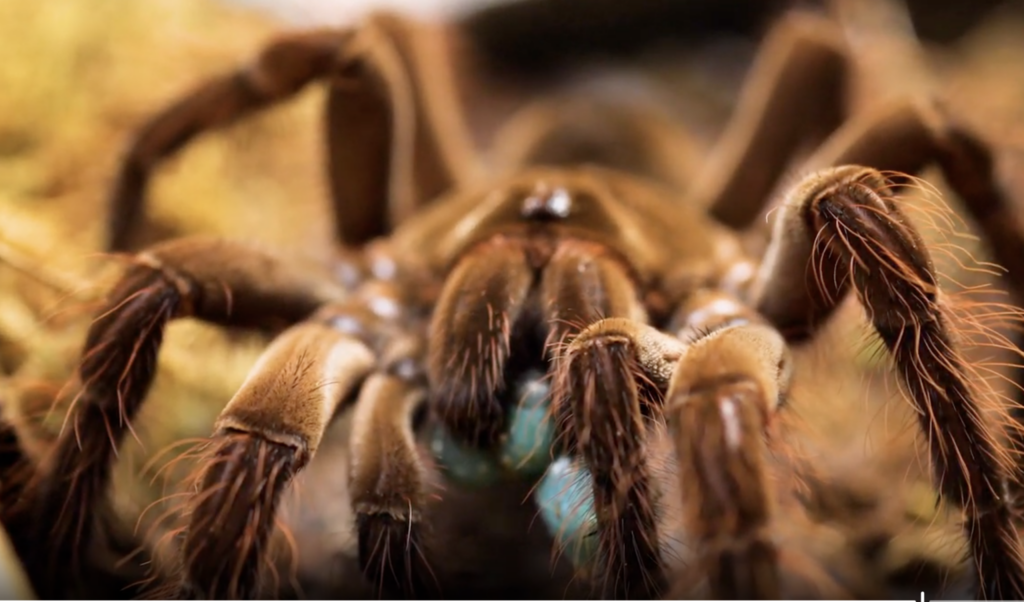
Now the numbers, because they are genuinely absurd. A full grown Goliath bird eater reaches a leg span of roughly 28 to 30 centimeters and can weigh over 150 grams, making it the heaviest spider on the planet. Dinner plate sized, walking through the undergrowth.
And here is the second misunderstanding worth clearing up. It is not especially dangerous to humans.
Yes, it is venomous. But a bite is usually no worse than a wasp sting, and it only bites when provoked. Faced with something as large as a person, it would far rather retreat than fight.
Encounters are extremely rare anyway. This spider prefers isolation deep in the forest, well away from human activity, where it quietly does useful work controlling populations of smaller animals.
So the title stands. It really is the biggest spider in the world. It is simply not the monster its name promised.
An artist drew one bird, three centuries ago, and gave a patient rainforest predator a reputation it never earned.