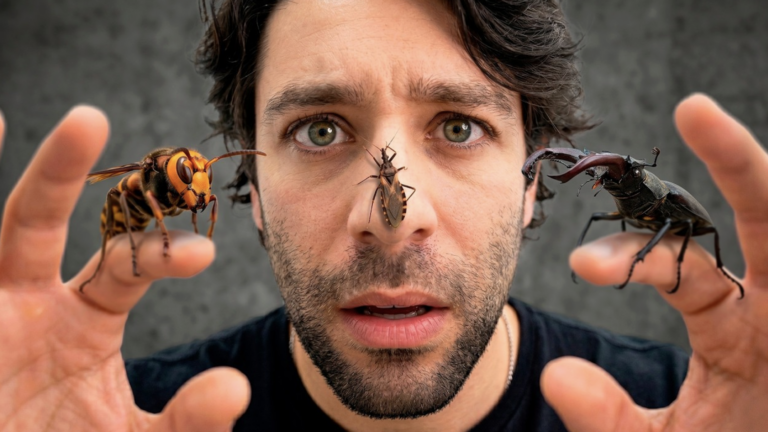
Hornets large enough to decapitate honeybees with their jaws. Centipedes that climb walls and ceilings before dropping into your living space. Bugs that wait until you are asleep and then bite you near the mouth.
None of this is invented for a horror film. These are real insects living across Asia right now, and some are responsible for thousands of deaths every year.
From the mountains of Japan to the forests of Southeast Asia, the continent hosts some of the deadliest insects on Earth. Knowing which ones matter, and how to avoid them, is genuinely worth your time.
1. Asian Giant Hornet, the Murder Hornet
Native to East Asia, particularly Japan, Korea, and China, this hornet made global headlines when it turned up on the North American West Coast in 2019 and 2020.
They live in low mountain regions and forests, hunting other insects and specializing in honeybees. They attack in groups and decapitate bees with their enormous mandibles.
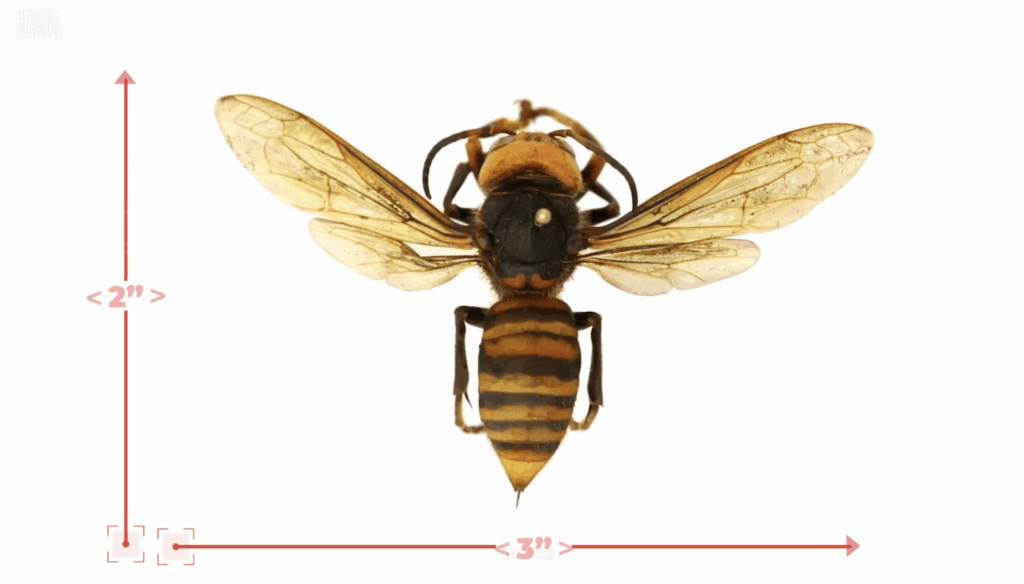
Adults reach 5 cm long with a wingspan around 7.6 cm, making them the largest hornets in the world. Their sting carries potent neurotoxins capable of penetrating thick beekeeping suits, and multiple stings can trigger anaphylactic shock within minutes.
They rarely attack humans without provocation, yet they still cause up to 50 deaths per year in Japan.
Survival tips: avoid nests, especially in late summer and early autumn. If stung, clean the wound, apply a cold compress, take an antihistamine, and get medical help immediately if the reaction is severe.
2. Chinese Red Headed Centipede
This predator takes down small mammals and reptiles. Its venom is delivered through modified front legs called forcipules and contains over 20 toxins built to paralyze prey almost instantly.
A bite causes intense burning pain lasting days, and in rare cases can lead to kidney failure, respiratory distress, or anaphylactic shock.
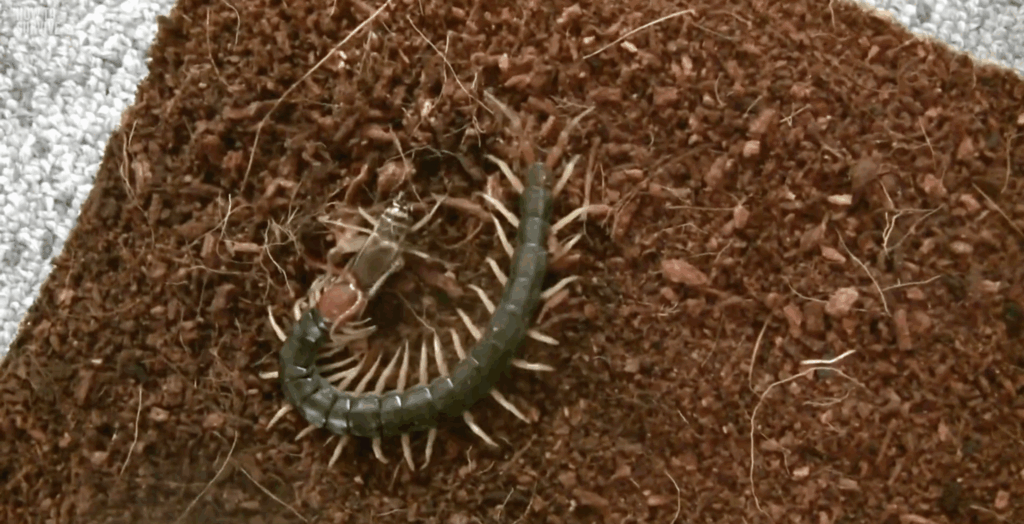
They are also excellent climbers, scaling walls and ceilings, which makes them unpredictable intruders. They survive submersion in water for hours, endure extreme temperatures, and regenerate lost limbs.
Local folklore links them to nightmares and bad luck, though dried centipedes have long been used in traditional medicine for back pain.
Survival tips: avoid dark damp areas, keep your home dry, and seal entry points.
3. Asian Giant Forest Scorpion
One of the largest scorpions on the planet, reaching up to 23 cm long, with a glossy black and greenish body and powerful pincers.
These nocturnal hunters feed on insects, small mammals, and even other scorpions. Their venom is not usually fatal to humans but causes severe pain, swelling, and sometimes dangerous allergic reactions.
Survival tips: take care when moving rocks or debris in forested areas. If stung, clean the wound, apply a cold compress, and take pain relief.
4. Kissing Bug
Small, quiet, and the reason sleep is not entirely safe. These bugs feed on the blood of mammals including humans, and they tend to bite near the eyes or mouth, which is where the name comes from.
They live in rural areas across Southeast Asia, hiding in cracks and crevices of older houses.
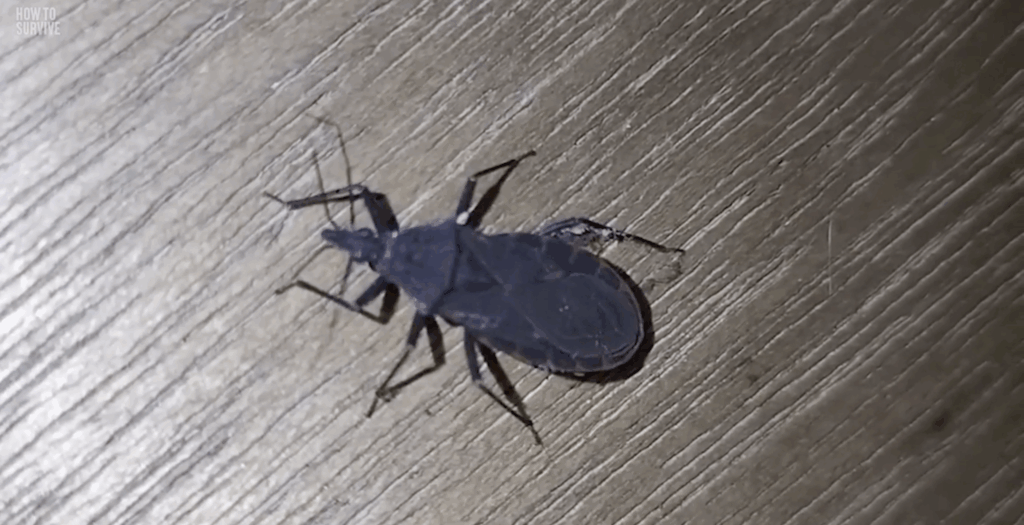
The bite itself is not venomous. The danger is in their feces, which can carry the parasite Trypanosoma cruzi and cause Chagas disease, a condition affecting 6 to 7 million people globally that leads to serious cardiac and digestive damage when untreated.
Survival tips: inspect sleeping areas for cracks and hiding spots, use bed nets, and seek medical attention immediately after a bite.
5. Asian Tiger Mosquito
Responsible for millions of infections annually. Native to Southeast Asia and now spread worldwide including parts of North America, it is easy to identify by its black and white stripes.
It carries dengue fever, Zika virus, chikungunya, and West Nile virus.
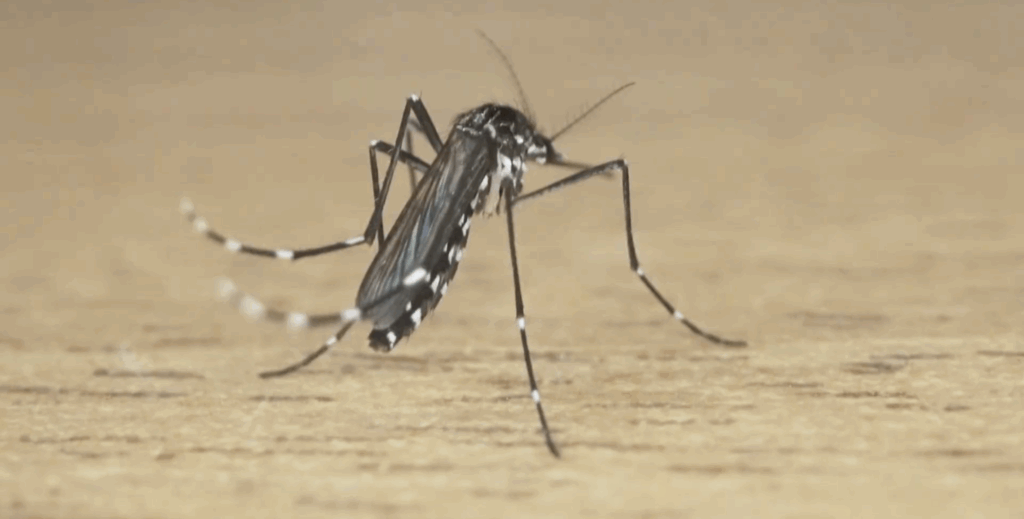
Survival tips: use repellent, wear long clothing, and eliminate standing water where they breed. Get medical attention for high fever, severe headache, or joint pain.
6. Japanese Caterpillar
Known as Chadokuga, this small insect is covered in venomous bristles containing a hemotoxin that can cause hemorrhaging, kidney failure, and death in extreme cases.
They feed on the leaves of trees and shrubs, and simply touching one produces a severe rash.
Survival tips: avoid heavily vegetated forest areas, lift any spines out with adhesive tape, wash the area thoroughly, and seek medical care immediately.
7. Blister Beetle
Blister beetles produce a toxin called cantharidin that causes severe skin irritation, blistering, and death if swallowed. They live in fields and gardens, feeding on plants and releasing the toxin when threatened.
Historically cantharidin was sold as the infamous Spanish fly, which was always far more dangerous than its reputation suggested.
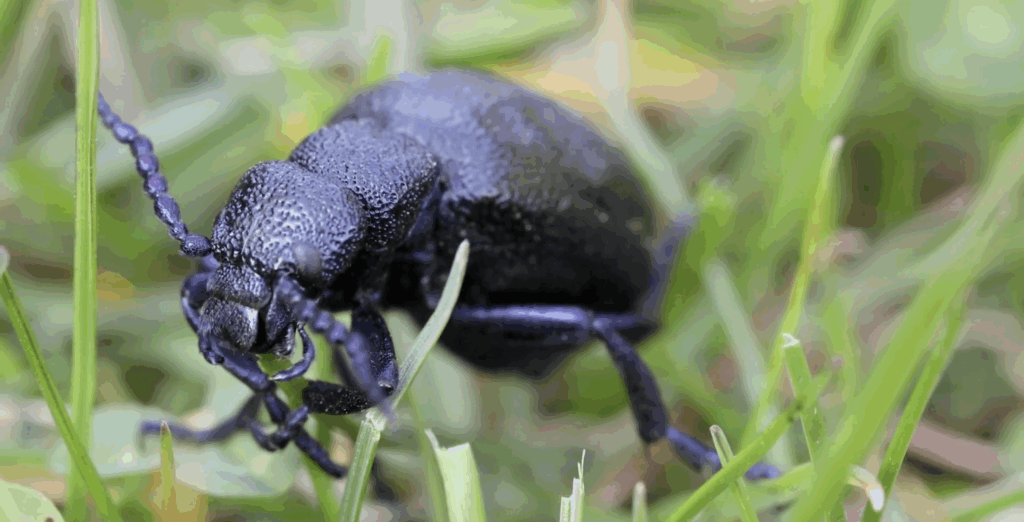
Survival tips: never handle them, and never crush one, since that releases more toxin.
8. Asian Needle Ant
Only about 5 mm long, and invasive. Its venomous sting can trigger severe allergic reactions, and unlike many ants it stings without biting first, so the attack arrives with no warning.
Native to Asia, it has spread into parts of North America where it has been linked to several deaths.
Survival tips: stay alert around nests, and carry an epinephrine injector if you are allergic to insect stings.