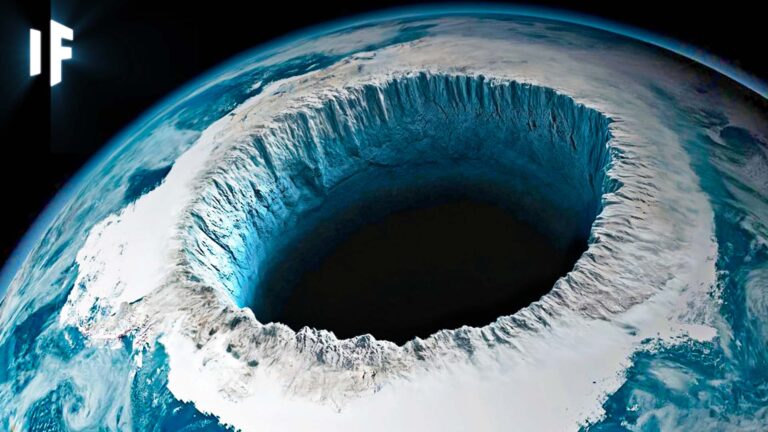
The Antarctic ice sheet covers 14 million square kilometers and averages two kilometers thick. Locked inside it is roughly 60 percent of all the freshwater on Earth.
If every bit of it melted, sea levels would rise by over 70 meters. That is not a slow creep up the beach. That is coastlines redrawn and cities erased from the map.
And parts of it have already started going.
A Continent of Ice and Secrets
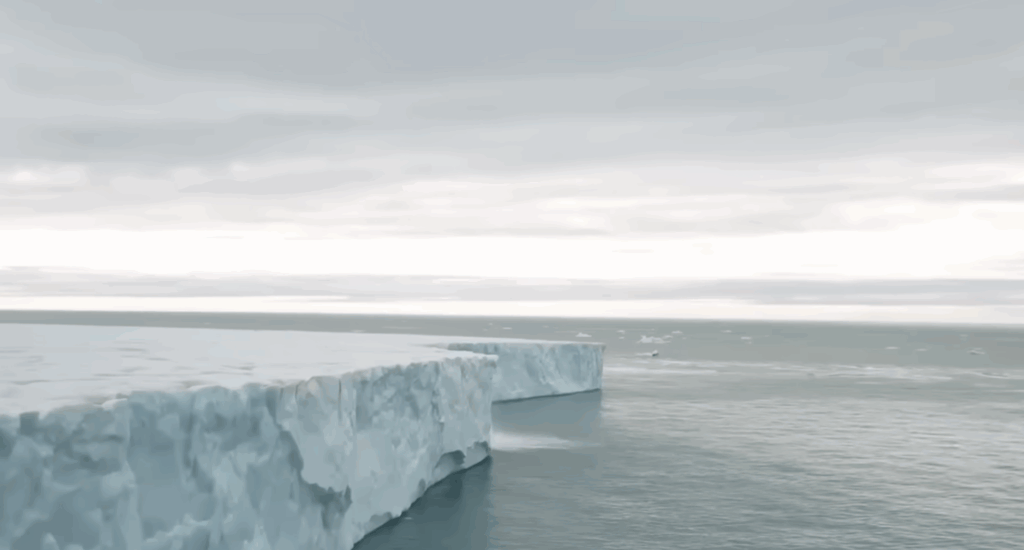
Antarctica is larger than Europe and almost entirely buried in ice. Seals, penguins, whales, and a small population of researchers live around its edges, but the real story is the ice itself.
Take the Thwaites Glacier, 120 kilometers across and nicknamed the Doomsday Glacier. It already sheds 50 billion tons of ice into the ocean every year, and some scientists warn it could vanish within decades rather than centuries.
If Thwaites alone melted instantly, coastal cities like San Francisco, Miami, and New Orleans would see water climb by nearly two thirds of a meter on the spot.
The Hidden Forces Beneath the Ice
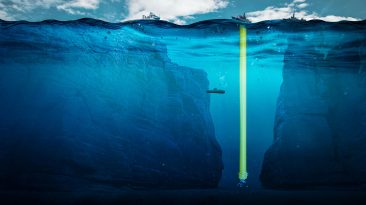
Thwaites is not melting on its own. A massive subglacial river runs beneath it, driven by geothermal heat from Earth’s molten interior, weakening the ice from below until enormous chunks break away in a chain reaction.
And Thwaites is only the start. Solid land sits beneath 98 percent of the continent, while entire ocean systems remain trapped under the ice in other areas.
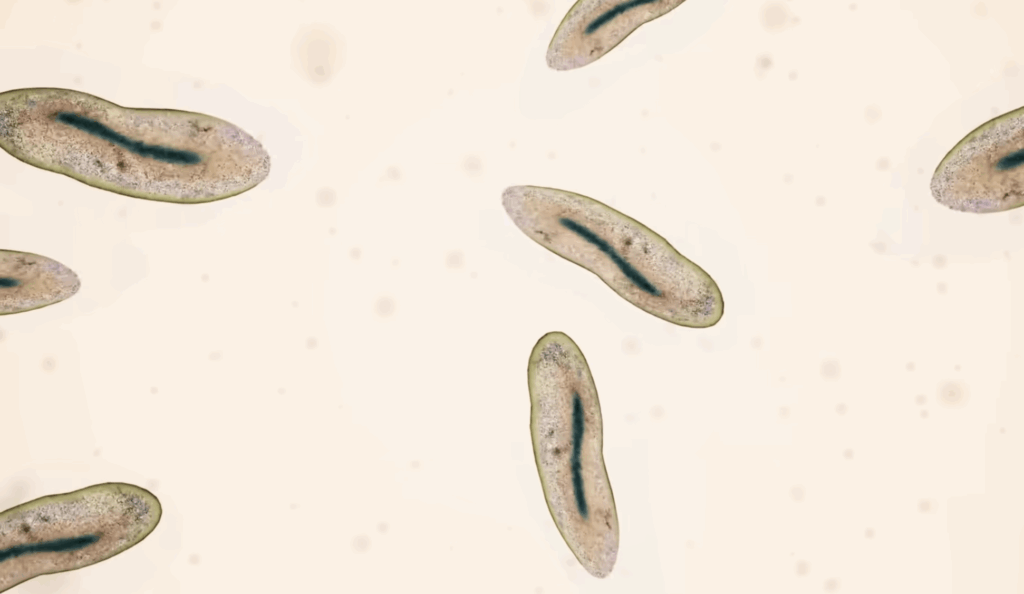
Those hidden waters host bizarre life, including new species of anemones that move freely and feed on plankton, debris, and decaying matter millions of years old.
Cities Underwater
Melting produces one counterintuitive effect. Sea levels near Antarctica can actually drop, because the ice sheet loses its gravitational pull on the surrounding water.
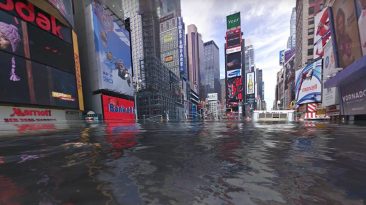
Everywhere else, the water surges. Boston, New York, Miami, Shanghai, and Mumbai would go under. Ports, farmland, and freshwater aquifers would flood, contaminating drinking supplies and wiping out food production.
Ancient Microbes and Modern Threats
The ice also holds ancient bacteria, some potentially dangerous to humans and capable of carrying antibiotic resistance into a world unprepared for it.

The same microbes could also deliver medical breakthroughs, offering possible routes to new antibiotics or biodegradable materials. Whether they help or harm depends entirely on what comes out first.
Disrupted Oceans and Climate Chaos
Rising water is not the only consequence. Melting glaciers disrupt ocean currents too.
Normally dense salty water sinks while surface water rises, carrying heat and nutrients around the planet. A massive influx of freshwater would jam that conveyor belt and reshape climates far beyond the polar regions.
In extreme scenarios, altered circulation could trigger localized ice ages, while shifting nutrient distribution could cause temporary phytoplankton booms around Antarctica.
Revealing Earth’s Ancient Wonders
Strip the ice away and a hidden landscape appears: canyon systems longer than the Grand Canyon, deep lakes such as Lake Vostok, and ecosystems that have developed in isolation for millions of years.
Those discoveries could rewrite our understanding of life on this planet. They also carry the risk of exposing us to pathogens nobody has encountered before.
Humanity in Crisis
More than 3 billion people live near coastlines. In an instant melt scenario, most would lose their homes, their cities, and the infrastructure holding their lives together.
Governments would struggle to respond as safe drinking water grew scarce and major urban centers disappeared. Interior land would suddenly become the most valuable territory on Earth, and geopolitical tensions would spike as displaced populations searched for somewhere to go.
The Domino Effect
Even after the ice is gone, another threat waits. Permafrost frozen for tens of thousands of years holds enormous stores of carbon dioxide and methane.
As it thaws, those greenhouse gases pour into the atmosphere, accelerating warming and destabilizing the climate further.
Which is what makes that 70 meter figure so unsettling. It is not a prediction of what will happen, but a measurement of what is currently being held back by ice that is already breaking apart.