Mosquitoes are often treated as nothing more than irritating insects that leave behind itchy bites. Their importance, however, is much greater than their size suggests. These tiny animals are responsible for spreading some of the world’s most dangerous diseases, including malaria, dengue, yellow fever, and Zika.
Their ability to transmit infections comes from the way they feed. A female mosquito can take blood from an infected person or animal and acquire microscopic pathogens. When she feeds again, those pathogens can pass into another host through her saliva, giving the disease a new opportunity to spread.
The damage is not limited to humans either. Mosquitoes can affect wildlife and livestock by transmitting infections between animals. That makes their disappearance sound extremely attractive. But what would really happen if humanity somehow succeeded in eliminating every mosquito on Earth?
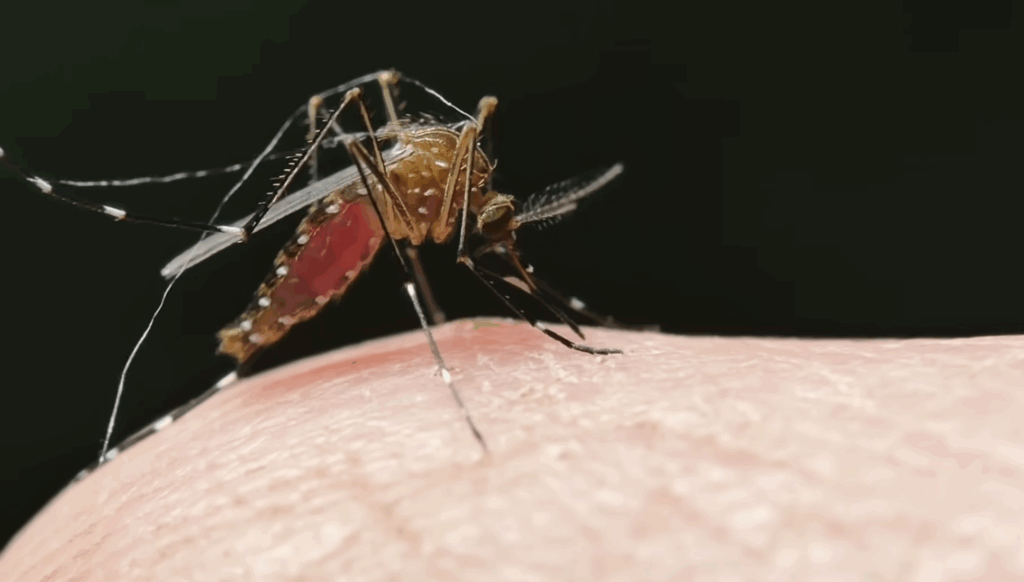
The immediate advantages would be enormous. Diseases that rely on mosquitoes for transmission would lose one of their most important pathways. Millions of people could potentially avoid dangerous infections, while regions that regularly struggle with malaria, dengue, yellow fever, and other mosquito transmitted illnesses could experience dramatic improvements in public health.
Daily life would change too. People could spend evenings outdoors without constantly worrying about bites, and livestock would face fewer mosquito related threats. Healthcare systems could also benefit because fewer disease outbreaks would mean fewer patients requiring treatment. At first, eliminating mosquitoes could look like an obvious global victory.
Actually making it happen would be another matter. Mosquitoes exist in enormous numbers and occupy an incredible range of environments. They reproduce in wetlands, forests, ponds, containers, and tiny pools of standing water, while changing environmental conditions have allowed some species to establish themselves in places where they were previously uncommon.
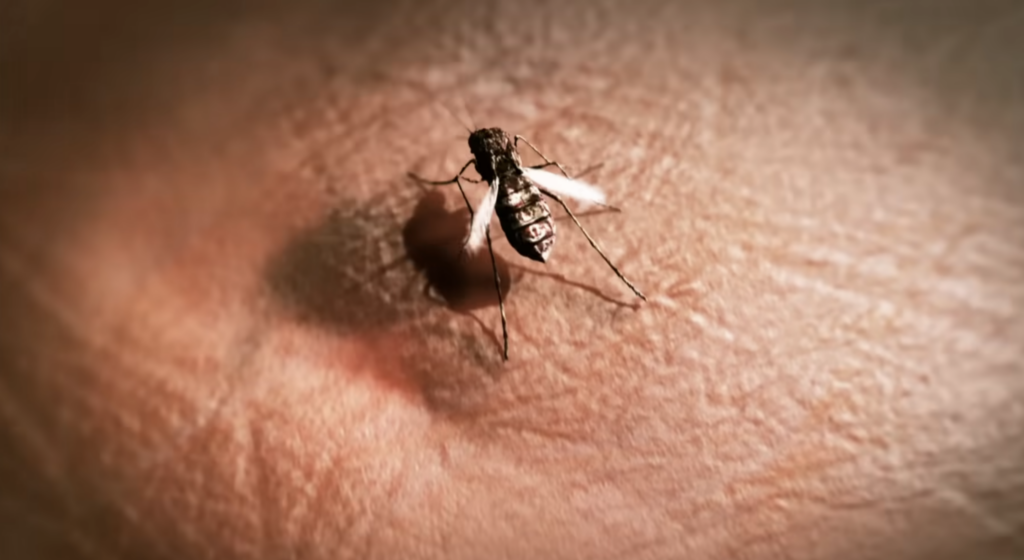
Natural predators could not remove them on their own. Bats, frogs, birds, fish, spiders, and other creatures all consume mosquitoes, but predators cannot reach every breeding site or eliminate populations scattered across entire continents. A global eradication campaign would therefore require a much more targeted approach.
One possibility involves interfering with reproduction. Female mosquitoes need nutrients from blood to develop their eggs, while males do not take blood meals. This difference has allowed researchers to explore methods that reduce mosquito numbers by preventing successful reproduction rather than trying to kill every individual insect.
Genetic methods could potentially make that strategy even more effective. Scientists have investigated modified male mosquitoes whose descendants cannot reproduce successfully. Releasing enough of these males over repeated generations could gradually push a targeted population toward collapse, offering a way to reduce disease carrying mosquitoes on a large scale.
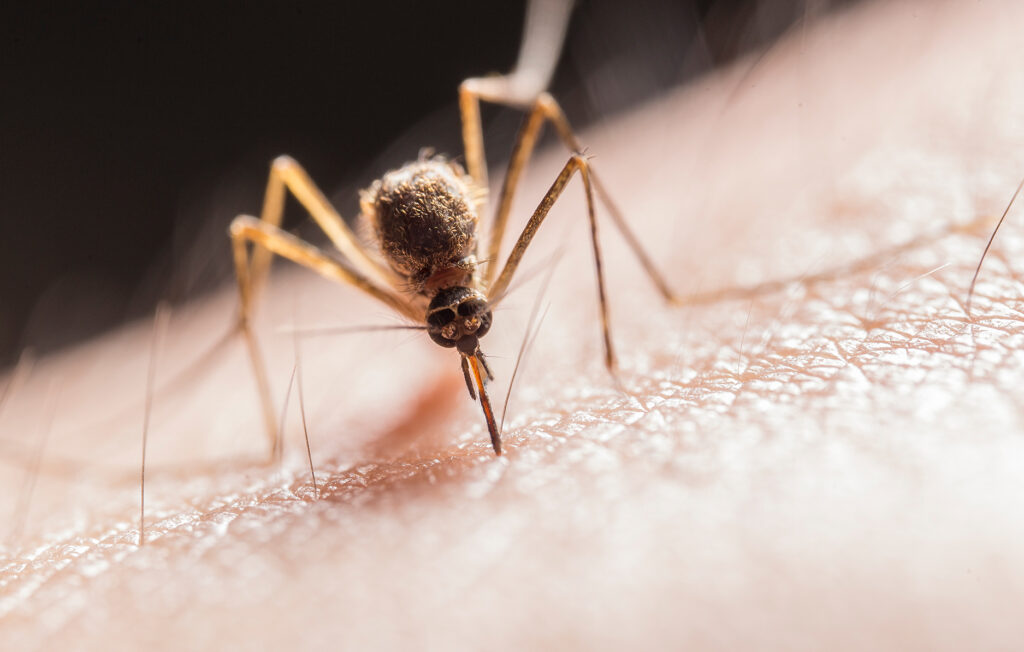
Yet removing every mosquito would create ecological consequences that are much harder to predict. Mosquitoes are eaten by fish, frogs, birds, bats, spiders, and other insects. Most predators would probably find alternative food, but suddenly removing such a widespread group of insects could still alter food webs in some environments.
Mosquitoes also interact with plants. Many species feed on nectar, and some can transfer pollen between flowers while doing so. Their contribution is far smaller than that of bees and other major pollinators, but eliminating thousands of mosquito species at once could remove ecological relationships that scientists have not completely studied.
There is one final complication. Only a small proportion of mosquito species are responsible for transmitting the diseases that make these insects so dangerous to humans. Most species have little direct impact on human health. Eliminating all mosquitoes would therefore mean destroying many species that are not major disease threats, creating a much larger ecological change than necessary.