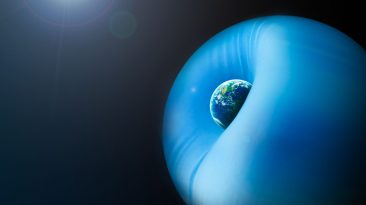
Take a slow, deep breath right now and notice how satisfying that simple act feels. What fills your lungs in that moment is oxygen, making up only about 21 percent of our atmosphere despite being far from the most plentiful gas up there. Abundance was never the point, though, since nothing about plants, animals, oceans, or humanity would exist in its current form without it.
Now imagine that entire supply vanishing completely, not permanently, just for a single hour. Spoiler alert, that hour would not go well for you at all.
Consider that the record for holding one’s breath sits at an impressive 24 minutes and 37 seconds, yet that record means nothing here, since an average person typically manages somewhere between 30 and 90 seconds before real trouble sets in. Brace yourself, because what comes next would hurt significantly.
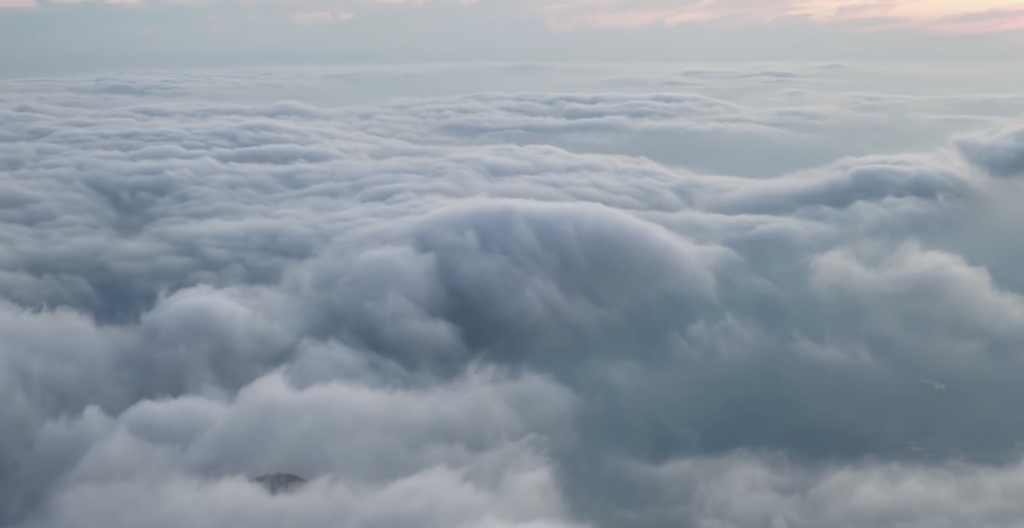
A sudden global loss of oxygen would trigger an equally sudden drop in air pressure, painfully rupturing your inner ear almost instantly, comparable to standing atop Mount Everest without any time to adjust. You would be left stumbling, unable to keep your balance, all while your body began suffocating in real time.
Suffocation would hardly be a gentle process either. Your heart would race into overdrive trying to compensate, which becomes a serious problem given that both heart and lungs depend entirely on oxygen to function properly, leaving you with excruciating chest pain almost immediately.
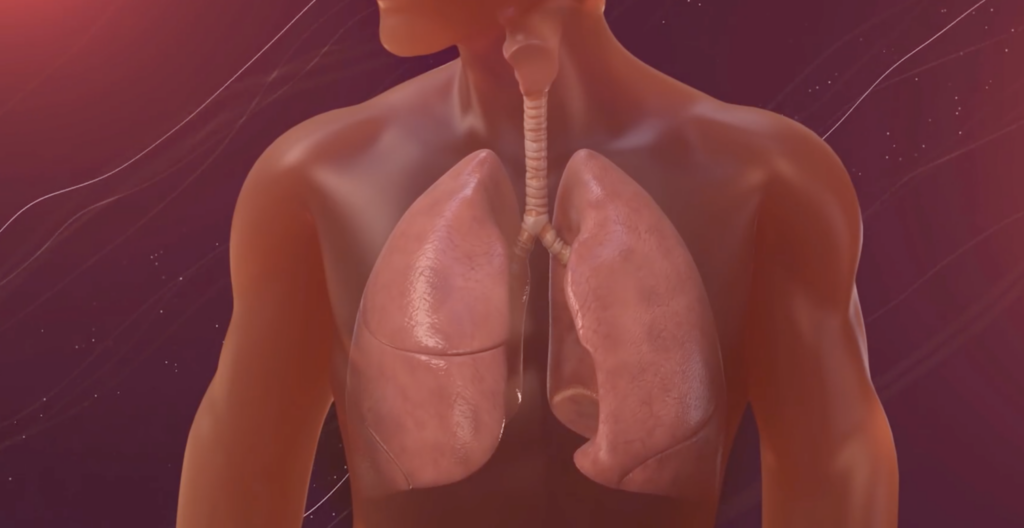
Within roughly six minutes at most, your brain would run entirely out of oxygen, meaning death would follow shortly after. Unfortunately the situation somehow gets worse from there, since an average person weighing around 80 kilograms, or 176 pounds, actually contains about 52 kilograms of oxygen within their body. Remove oxygen from existence entirely for that full hour, and something close to 65 percent of your physical body would simply vanish, comparable to the kind of instant disintegration seen in science fiction.
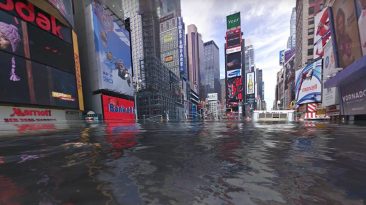
Humanity would clearly be finished at that point, but what about the rest of the planet? Within that same single hour, Earth itself would transform almost beyond recognition. Concrete structures everywhere, from the Hoover Dam to the dome of the Pantheon, would collapse instantly, since oxygen actually functions as a binding agent within concrete, and without it, the material reduces to plain dust.
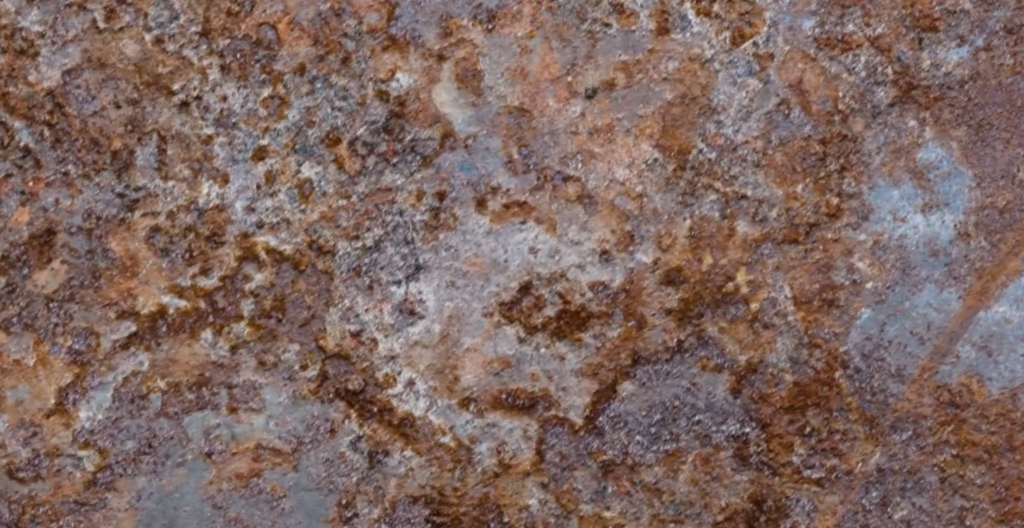
Metal surfaces would face a strange fate of their own. A thin protective layer of oxidation normally keeps metals from fusing together on contact, and stripping that layer away would cause untreated metal to bond instantly wherever it touched, and that is only what would be happening down at ground level.
Things would grow considerably worse higher up in the atmosphere. The ozone layer, our natural shield against harmful solar radiation, exists because oxygen atoms bond together to form ozone in the first place. Remove that oxygen and the planet would heat rapidly, left with nothing standing between the surface and the Sun’s full ultraviolet exposure.
Fire itself would cease to exist without oxygen present, meaning combustion inside vehicle engines would simply stop working. Any transportation that was not electric would fail immediately, sending planes falling out of the sky and leaving millions of cars stranded and slowly corroding wherever they happened to stop.
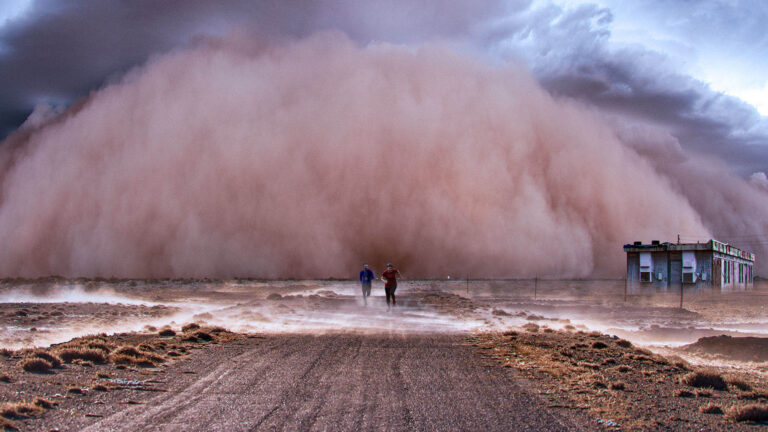
The sky above would darken almost completely as well. Sunlight normally scatters off countless particles suspended in the air before reaching the ground, and with oxygen removed from that mixture, far less light would have anything to bounce off, leaving the sky looking dark, nearly black, even at midday.
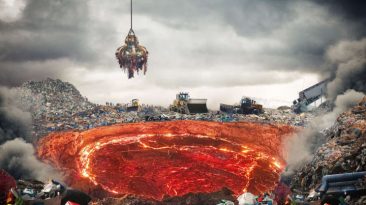
Beneath all of that, the ground itself would be quietly falling apart, since Earth’s crust is composed of roughly 45 percent oxygen. Strip that oxygen away and there would be little holding the crust together at all, causing it to crumble continuously until virtually nothing solid remained, sending the planet into an ongoing state of structural collapse.
Then the hour finally ends, and oxygen floods back into the atmosphere exactly as before. Unfortunately none of that matters much anymore, given that the planet lies in ruins and all human life has already disintegrated entirely. Whether new life might eventually rise from what remains is impossible to say, though whatever does emerge would hopefully come equipped with far sturdier lungs than ours ever were. In the meantime, you can take real comfort in breathing that same steady 21 percent oxygen today, grateful this scenario remains firmly hypothetical.