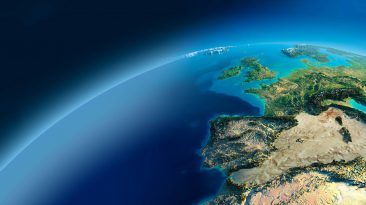
Here is a contradiction that sounds impossible until you understand the ocean.
The planet is warming. Almost every year sets new heat records. And yet one of the most serious climate scenarios scientists are tracking right now ends with Britain, France, and Scandinavia getting significantly colder.
The reason is moving beneath the Atlantic at this very moment, and it is losing strength.
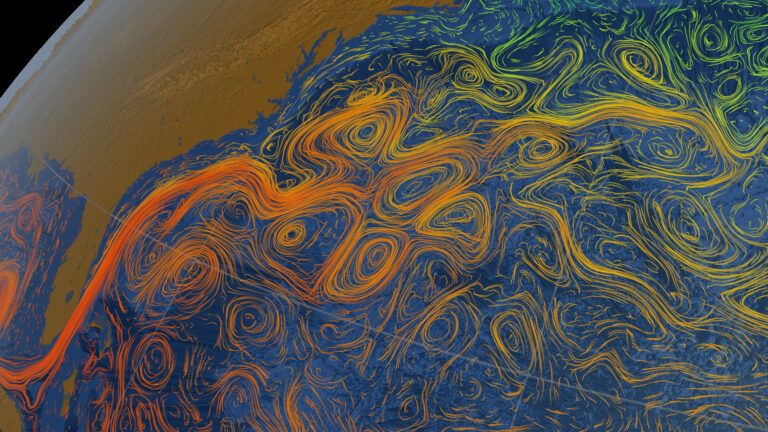
The Gulf Stream, one of the most important ocean currents on Earth, is showing clear signs of weakening. This enormous flow of warm water carries heat from the equator up toward the North Atlantic and helps regulate weather across the globe. Recent measurements suggest it may now be the weakest it has been in more than 1,600 years.
That is not an academic footnote. If the weakening continues, or if the current collapses entirely, it could redraw the climate map of entire continents and disrupt weather systems that billions of people rely on.
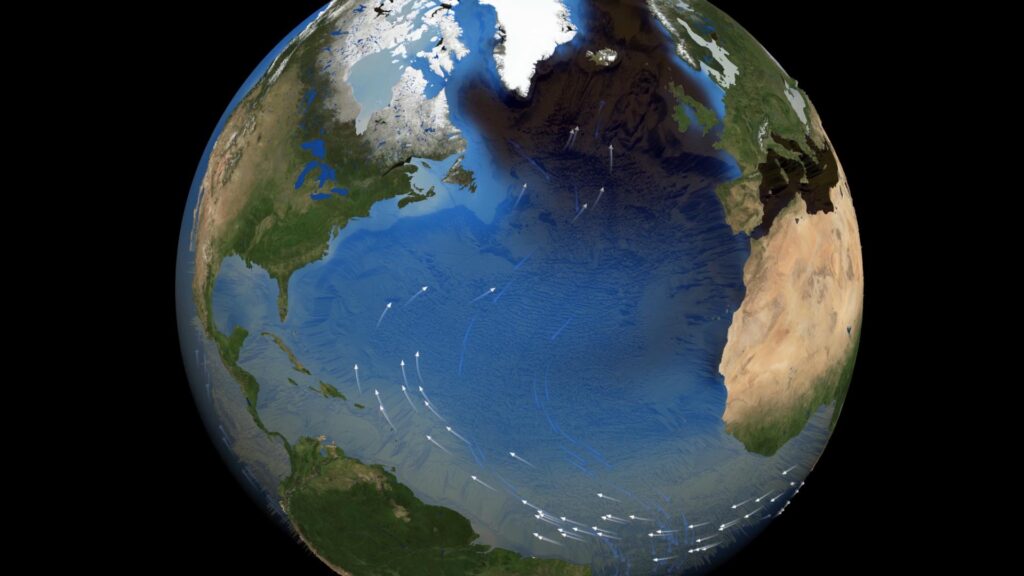
To see why, you have to understand what actually drives the thing.
The Gulf Stream is one part of a much larger circulation system powered by differences in temperature and salinity. Warm tropical water travels north across the Atlantic, releasing heat into the atmosphere as it goes. That released heat is the reason Western Europe is far milder than its latitude has any right to be.
Once that water cools, it grows denser and sinks into the deep ocean, forming a return current that flows back south. Warm water north, cold water south, endlessly.
The whole machine depends on one thing: salt. Salty water is dense enough to sink, and that sinking is what keeps the conveyor turning.
That balance is now being broken.
The culprit is fresh water, pouring into the North Atlantic from melting ice sheets and glaciers, with Greenland leading the way. As global temperatures climb, enormous volumes of ice turn to meltwater and flood into the ocean. It sounds harmless. It is anything but.
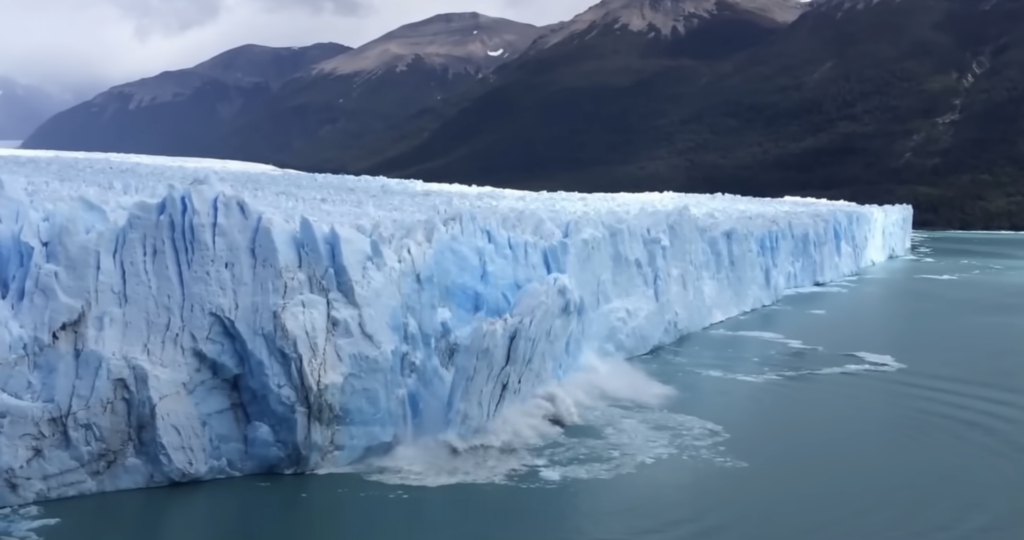
Fresh water is lighter than salt water. As it mixes into the Gulf Stream, it dilutes the salinity and reduces the density of the whole system. And water that is not dense enough does not sink properly when it reaches the north.
No sinking means no deep return flow. No return flow means the conveyor slows down.
If enough fresh water keeps arriving, scientists warn the circulation could slow dramatically or hit a tipping point and collapse. A total shutdown is considered unlikely in the immediate future, but climate researchers around the world take the risk of major disruption seriously.
So what would collapse actually look like?
In North America, particularly along the eastern United States, a shift in ocean circulation could drive more extreme and unpredictable weather, including stronger hurricanes. Warmer surface temperatures in certain regions feed storm intensity, which raises the destructive potential of every hurricane season.
In Europe, the effect flips entirely, and this is where the contradiction lands.

The Gulf Stream is the main reason Western Europe stays so much warmer than other places on the same latitude. Remove that heat delivery and countries like the United Kingdom, France, and parts of Scandinavia could face winters that are both colder and longer.
It would not happen in a single dramatic season. It would arrive gradually, as average temperatures slid downward year after year.
And this has happened before.
Ice core samples and ocean sediment records show that the Gulf Stream has slowed, and even shut down, thousands of years ago during periods of rapid climate change. Those past events were tied to major temperature shifts across the Northern Hemisphere. The ocean has pulled this lever before.
But one thing is different this time, and it is the part people most often get wrong.
Human driven climate change is running in the background of all this. So even if the current slows and parts of Europe cool, the world does not become a colder place. The global trend remains warming.
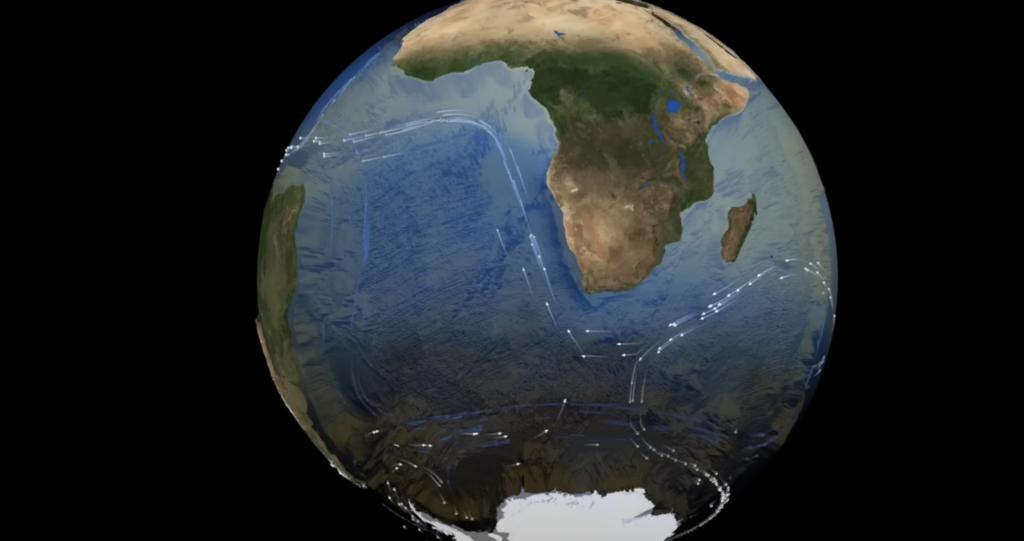
What you get instead is worse than uniform change. You get instability. An uneven, unpredictable climate system where some regions cool while others keep heating, and nothing behaves the way local populations have planned around for centuries.
Now the necessary reality check. The Gulf Stream has not collapsed. There is no sign of a sudden shutdown coming. Scientists are careful to stress that point.
But the weakening trend is real, and it matters precisely because this current is wired into global climate stability.
What makes it genuinely unsettling is the speed. Storms arrive in hours. Earthquakes arrive in seconds. Ocean circulation changes over decades and centuries, quietly, beneath the surface, with no dramatic moment to point at. By the time the effects are obvious to everyone, the system has already been deeply altered.
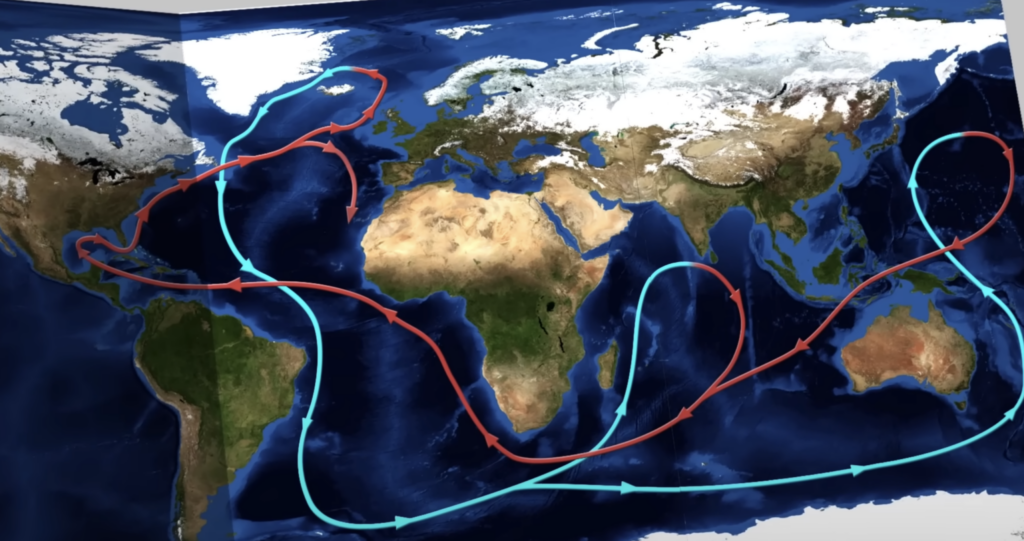
That is the real lesson hidden in the Atlantic. The Gulf Stream is not simply a current. It is a component of a global climate engine that governs temperatures, weather patterns, and storm behavior across the planet, and it turns out to be sensitive to relatively small shifts in heat and salt.
Whether it stabilizes or keeps declining is now one of the most closely watched questions in climate science.
What is not in question is that something unusual is already happening beneath the waves. The warning is not a forecast for the future. It is in the water right now, and its consequences will reach far beyond the Atlantic.