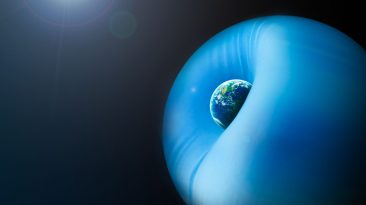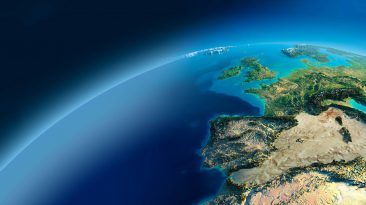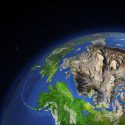
Nicknamed the blue planet for obvious reasons, Earth owes that description to oceans that stretch across more than 70 percent of its surface, quietly regulating temperature, steering weather, and making life possible in the first place. Strip that system away entirely and something very different starts to unfold.
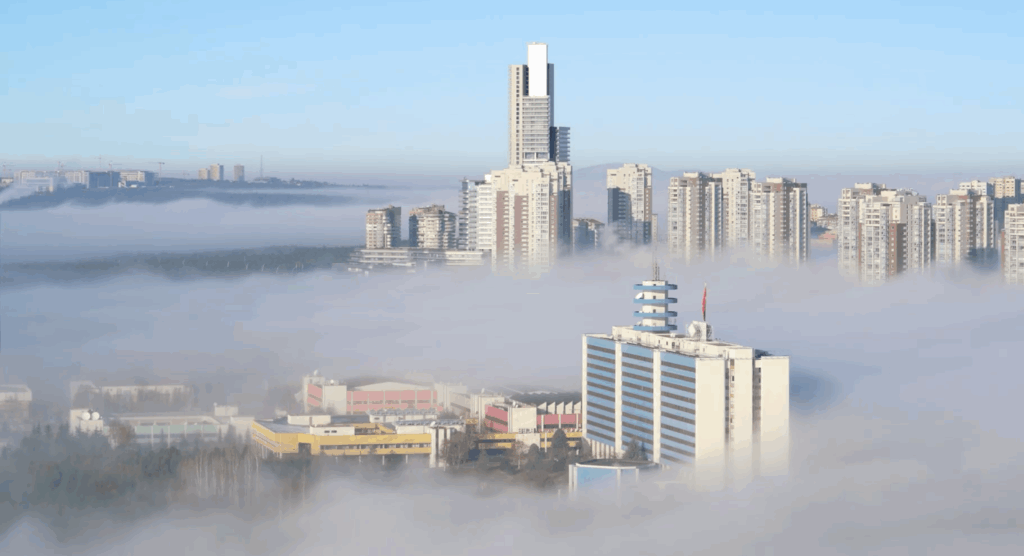
The opening stage would not look like flooding or drought, but something closer to the planet cooking itself from the inside. Enormous quantities of water would lift into the sky as vapor, thickening the atmosphere into something like invisible steam. Humidity would climb to levels never recorded in human history, leaving the air itself feeling dense and suffocating.
None of this would happen in isolation either, because the entire water cycle Earth depends on for stability would already be breaking down beneath it.
Under normal conditions, that cycle runs smoothly: water lifts from the ocean, gathers into clouds, falls back as rain, and repeats endlessly. Once the oceans start boiling away instead, that balanced loop collapses into disorder, and the atmosphere fills with far more vapor than it was ever built to hold, trapping heat with far greater efficiency than before.
That matters enormously because water vapor already ranks among the strongest greenhouse gases on the planet, accountable for a substantial share of Earth’s natural warming. Push its concentration up dramatically and the planet does not simply warm gradually, it accelerates.
From there, the whole process starts feeding itself. Warmer seas release more vapor, and that added vapor locks in even more heat, spinning into a feedback loop that edges the planet toward a runaway greenhouse effect, the same kind researchers suspect reshaped Venus long ago.
Meanwhile, the broader climate system would already be twisting into something unrecognizable. Weather would swing toward extremes and instability, and heat that once concentrated near the equator would spread evenly across the globe, reaching even the poles.
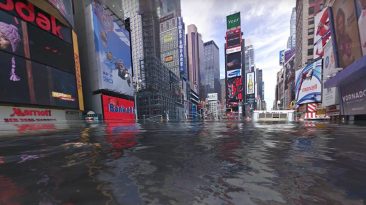
Glaciers and polar ice would melt at a rapid pace, pouring enough water into rising seas to submerge coastal cities, uproot huge populations, and buckle infrastructure across the world.
Even so, the oceans themselves would not vanish in a single dramatic moment. The disappearance would stretch out over time, as salt levels climb and boiling conditions creep steadily wider across the remaining water, moving in a direction that could never be reversed.
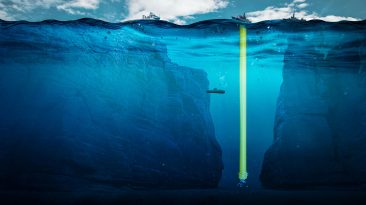
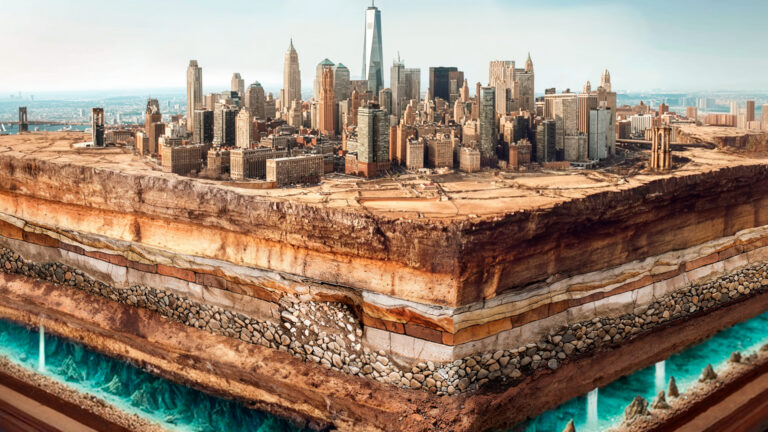
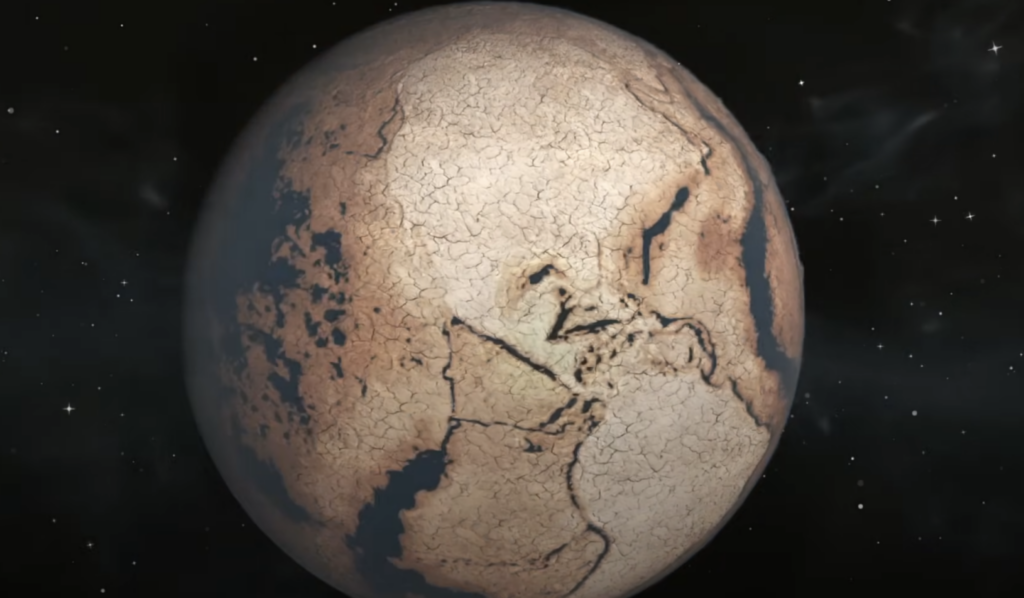
Eventually the surface of the planet would settle into something openly hostile, dominated by scorching heat and thick, moisture laden air. Areas once buried under ocean would finally be exposed, revealing trenches carved slowly into Earth’s crust across millions of years.
Push far enough into that trajectory and surviving on the surface becomes flatly impossible, with temperatures potentially climbing to levels seen on Venus, hot enough there to melt metal outright and continually reshape the planet’s geology.
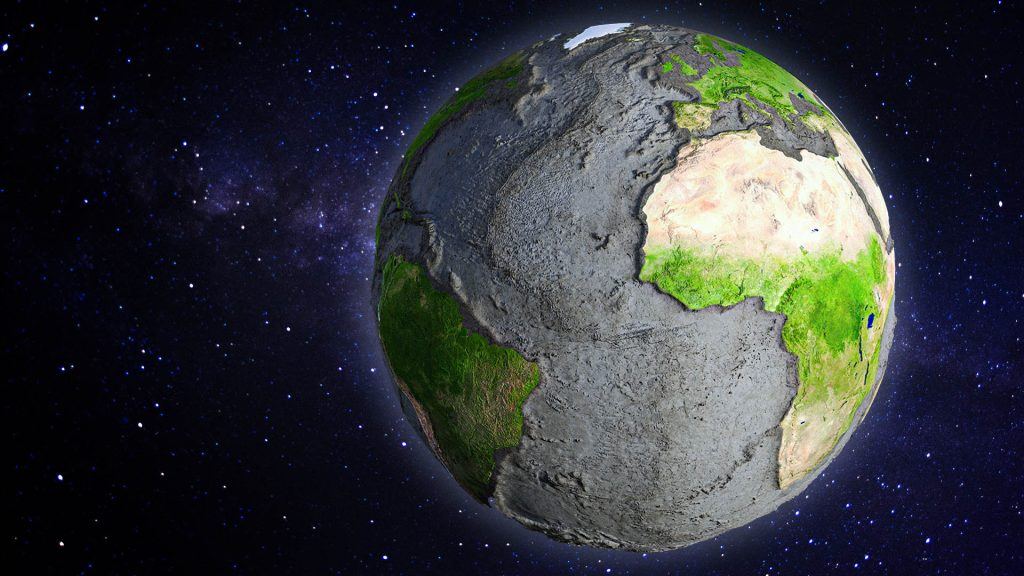
Long before things reached that point, though, the vast majority of life would already be gone. Ecosystems would unravel as fresh water dries up, heat climbs relentlessly, and breathable air gives way to a thick, superheated atmosphere incapable of supporting anything familiar.
Whatever chance humanity had would hinge entirely on whether shelters could be built underground or inside sealed, artificially maintained environments able to sustain life without any ocean left to draw on, and even then, nothing about long term survival would be guaranteed.
By the final stage of this scenario, Earth would bear little resemblance to the world we know now. It would exist instead as a parched, overheated planet locked inside its own greenhouse spiral, drifting steadily toward conditions that wipe away nearly every trace of surface life, and in doing so, quietly rewrite what it even means for a planet to be considered habitable.