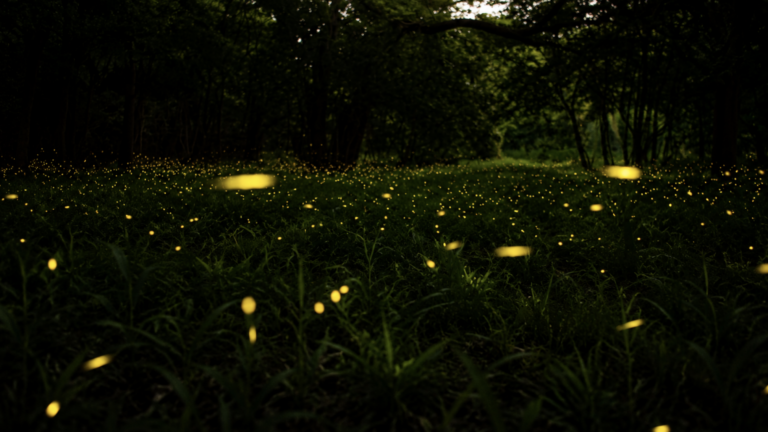
On warm summer nights, few sights are as magical as hundreds of glowing fireflies lighting up the darkness. Their tiny flashes have fascinated people for generations, but this natural wonder is slowly disappearing.
Around the world, firefly populations are declining. Scientists warn that many species are now struggling to survive as human activity transforms the environments they depend on.
The famous glow of a firefly is more than just a beautiful display. It is produced through a chemical reaction inside the insect’s abdomen and serves two important purposes: warning predators and attracting a mate.
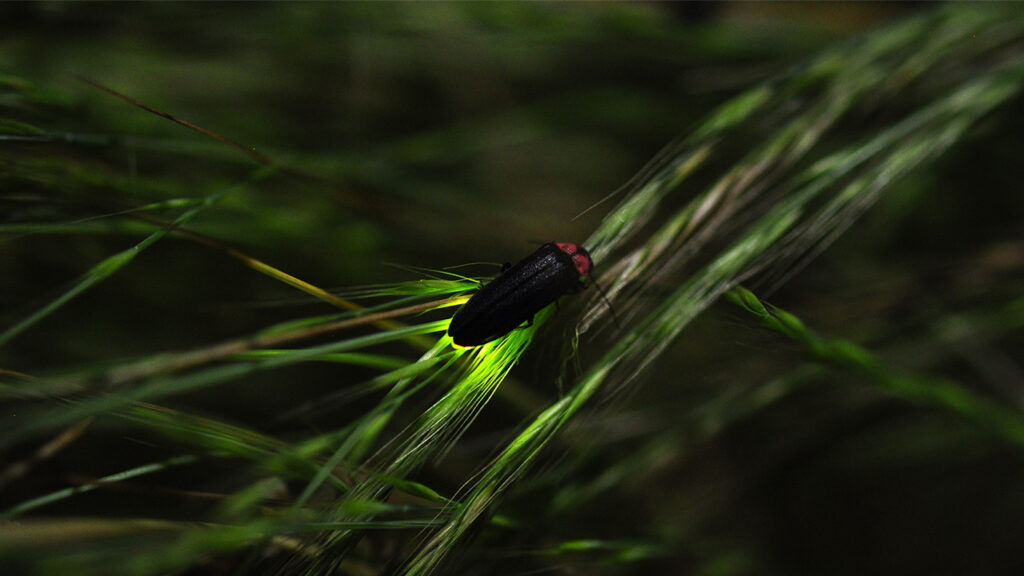
Every species has its own unique flashing pattern. These glowing signals help males and females find each other in the dark.
But finding a partner has become much harder.
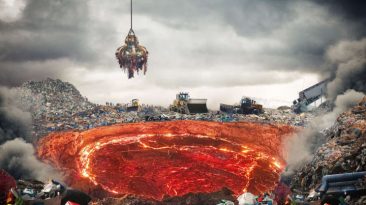
As forests, wetlands, and coastal swamps disappear, so do the places where fireflies lay their eggs and where their larvae develop. These habitats are increasingly being cleared to make room for agriculture, fish farms, shrimp farms, and palm oil plantations.
Urban expansion is making the problem even worse.
Fields, orchards, and natural green spaces are being replaced with roads, buildings, and parking lots. As these landscapes vanish, fireflies lose both shelter and reliable sources of food.
Even areas that still have suitable habitat face another growing threat.
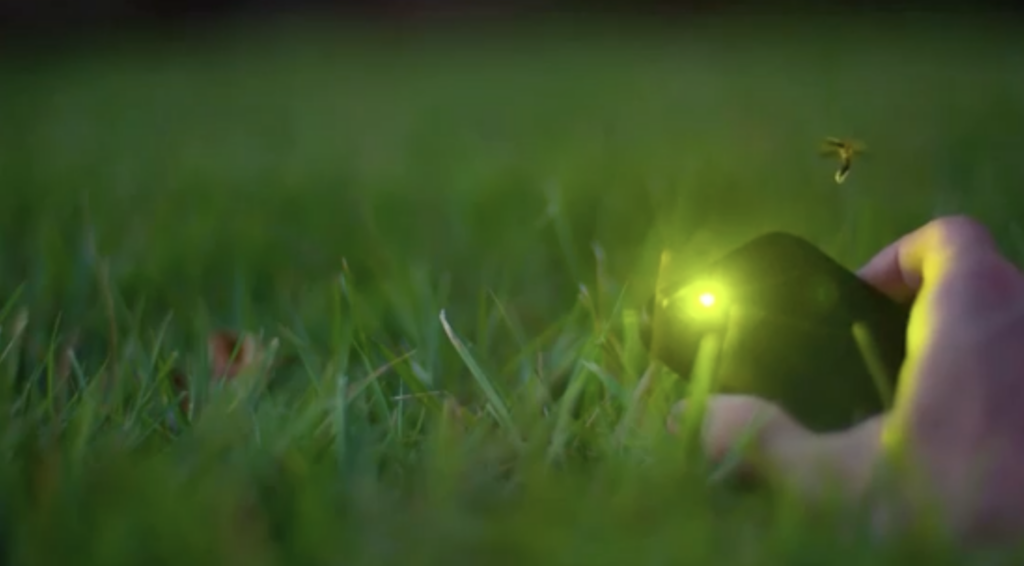
Artificial lighting has dramatically changed the nighttime environment. Streetlights, illuminated buildings, and bright outdoor decorations are creating skies that are never truly dark.
For fireflies, this can be disastrous.
Their glowing flashes are meant to stand out against the darkness. When surrounded by bright artificial lights, their signals become much harder to see.
Some fireflies even mistake nearby lights for another glowing insect. Instead of finding a mate, they spend valuable time flying toward streetlights or other artificial sources of light.
That lost time can have serious consequences.
Adult fireflies usually live for only a few weeks. If they fail to find a partner during that short window, they may never reproduce before their lives come to an end.
Fewer successful matings mean fewer eggs are laid each season. Over time, entire local populations can begin to shrink.
The disappearance of fireflies would affect much more than summer evenings.
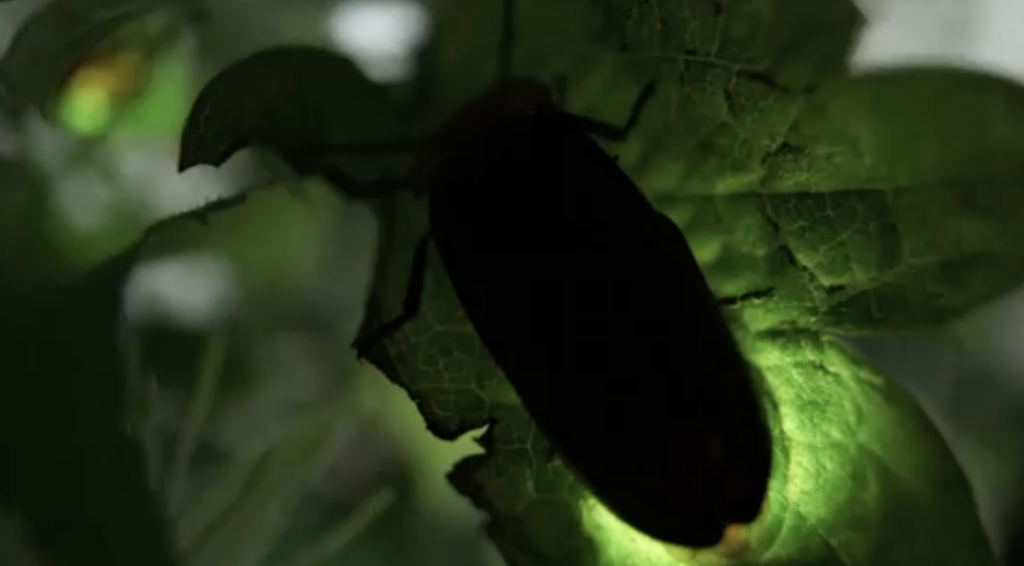
As larvae, they help control populations of pests such as snails, slugs, and mites. By feeding on these small creatures, they naturally help maintain healthy ecosystems.
Many adult fireflies also visit flowers while feeding on nectar and pollen. As they move from plant to plant, they contribute to pollination alongside other insects.
Protecting fireflies starts with protecting the darkness they need.
Preserving forests, wetlands, and natural habitats gives them safe places to complete their life cycle. Reducing unnecessary outdoor lighting can also help restore the nighttime conditions these glowing insects rely on.
Fireflies have illuminated nights for millions of years. Whether future generations will still experience their enchanting light show depends largely on the choices we make today.