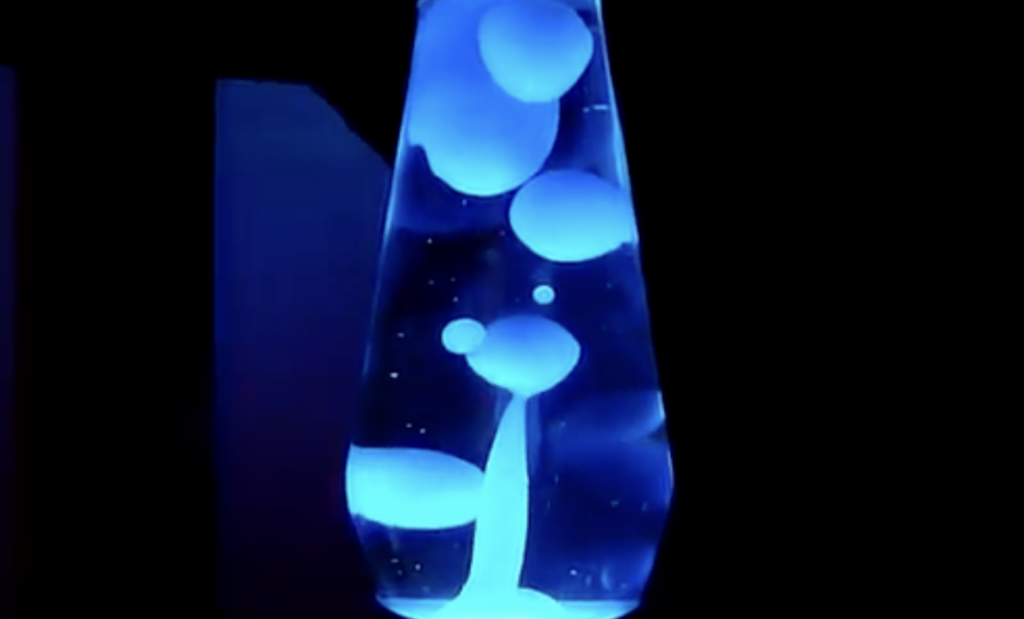
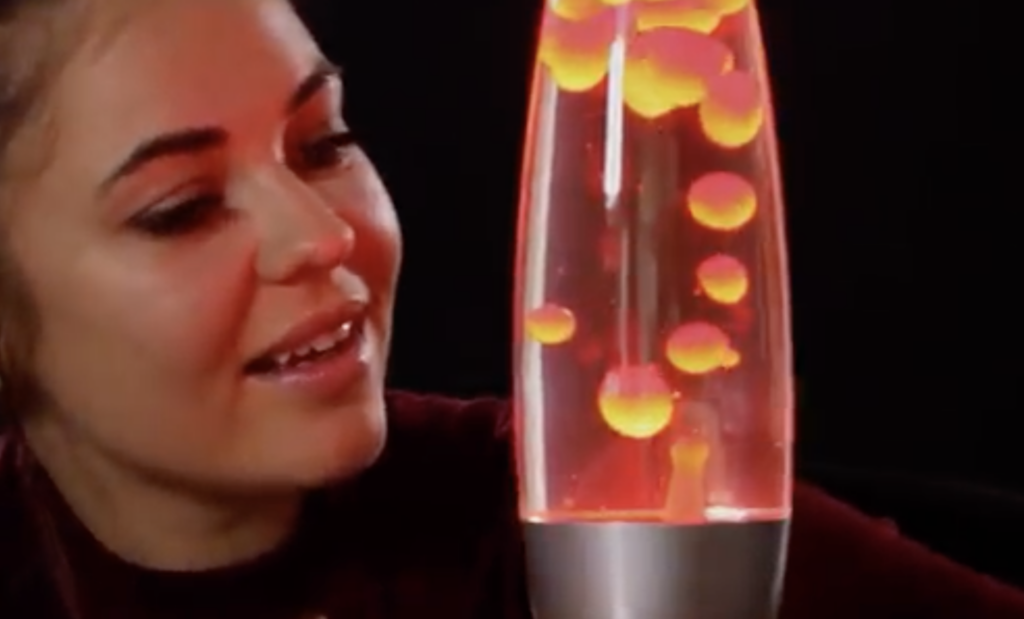
Lava lamps may look harmless, with colorful blobs slowly floating through brightly colored liquid. At the height of their popularity, around 7 million were reportedly sold every year, making them a familiar decoration in homes around the world.
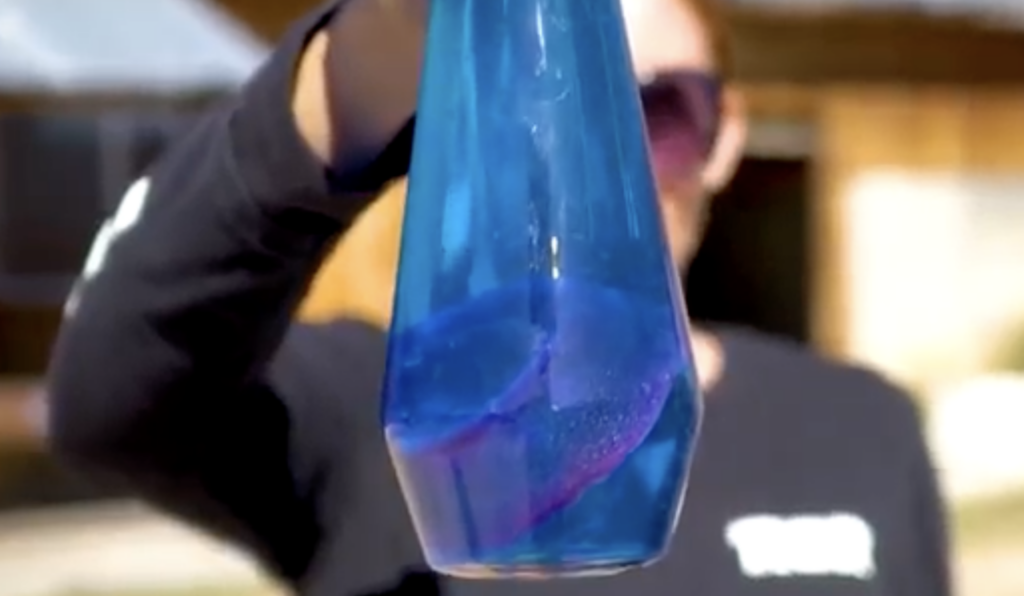
But what exactly is inside one of these strange lamps? The colorful liquid may look almost good enough to drink, especially if you have ever wondered whether the unusual mixture has a strange flavor.
For one middle aged man, curiosity apparently went much too far. He decided to drink the contents of a lava lamp before going to bed, and what happened afterward turned a harmless looking novelty item into a medical emergency.
The man survived, but waking up the next morning was only the beginning of his ordeal. He required a lengthy stay in the hospital and eventually needed dialysis to help his kidneys function.
When doctors examined his blood, they discovered several chemicals from the lamp, including chlorinated paraffin, microcrystalline wax, kerosene, polyethylene glycol, and water. The combination was clearly not something the human digestive system was designed to handle.
One of the biggest concerns was chlorinated paraffin. Although its effects on humans have not been thoroughly established, animal studies have linked exposure to damage involving organs such as the liver, kidneys, and thyroid.
Microcrystalline wax is considerably less concerning because it is generally considered nontoxic. However, consuming large amounts of wax can still cause problems, including intestinal blockages.
Then there was kerosene, a flammable hydrocarbon commonly used as a fuel. Swallowing kerosene can cause severe abdominal pain, vomiting, and potentially serious damage if it enters the lungs.
The most alarming ingredient, however, was polyethylene glycol. Although polyethylene glycol is widely used in medicines, cosmetics, and some food products, the type and molecular weight matter.
The polyethylene glycol found in lava lamps can be more readily absorbed by the digestive system than the higher molecular weight forms commonly used in consumer products. In severe poisoning cases, this can contribute to acute kidney injury and may require dialysis.
The man who drank the lamp already had a history of alcohol abuse and a seizure disorder, which may have made the consequences more severe. After eventually leaving the hospital, he was left with permanent kidney damage.
That raises an obvious question: would a completely healthy person have been safe?
Probably not.
A healthy body does not make an unknown chemical mixture safe to consume. The substances inside a lava lamp are intended to circulate inside a sealed decorative device, not enter the digestive system.
What looks like a colorful household decoration can therefore contain a combination of chemicals capable of causing serious injury. Drinking one could potentially lead to gastrointestinal problems, poisoning, organ damage, and severe kidney complications.
So if you have ever wondered what a lava lamp tastes like, there is a very good reason nobody has figured out a safe answer.
The colorful blobs may look fascinating as they float through the glass, but some mysteries are better left unsolved.