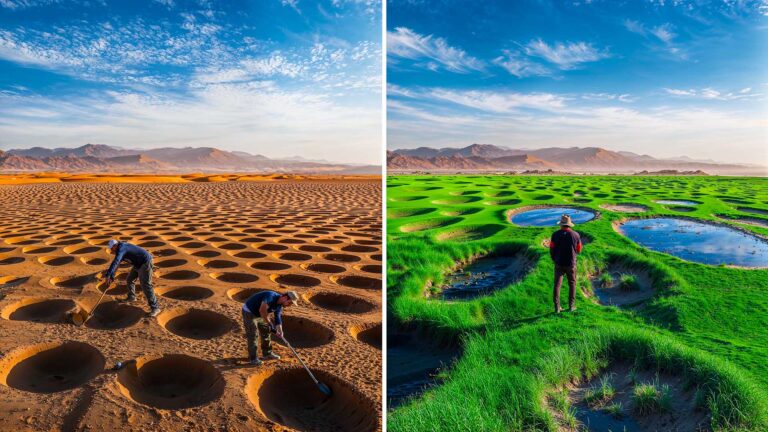
Imagine standing in the middle of the Sahara Desert, surrounded by a blinding expanse of endless, sun-baked sand dunes. Now, imagine watching those barren dunes ripple and transform into a dense, emerald-green tropical paradise right before your eyes. This is the ultimate dream of planetary terraforming.
It is a mega-engineering concept so vast that it could fundamentally alter the face of planet Earth, triggering a chain reaction of environmental shifts that are both breathtakingly miraculous and deeply alarming.
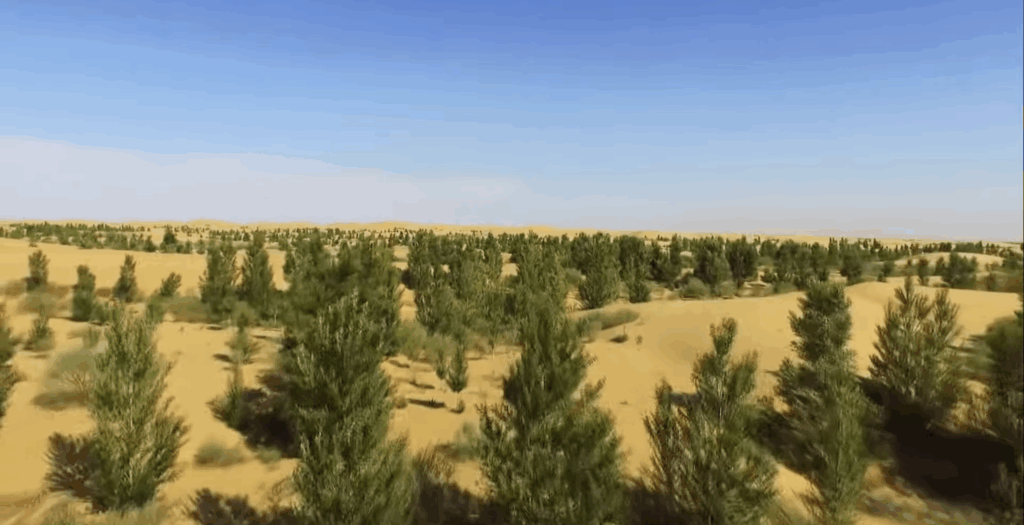
On paper, rewriting the geography of North Africa sounds like a quick silver bullet for our modern environmental anxieties. Introducing billions of trees to a desert spanning over nine million square kilometers could create a massive planetary carbon sink. But tinkering with Earth’s climate engine is an incredibly slow process.
The Sahara plays a vital role in balancing global weather systems, meaning that turning it green requires a careful, highly calculated, and extended multi-generational schedule. To understand how such an impossible project could actually become reality, we have to map out a precise, decade-by-decade timeline to see exactly how much time humanity would need to conquer the sand.
Years 1 to 10: Laying the Concrete Foundations
The first decade of the project is defined entirely by heavy industry, logistical setups, and localized trial runs. Turning a hyper-arid desert green requires an impossible amount of water, roughly 4.9 trillion cubic meters every single year. Because tapping into ancient underground aquifers would pump them completely dry within 30 years and trigger massive resource wars, engineers must rely entirely on coastal seawater desalination on a scale never before attempted in human history.
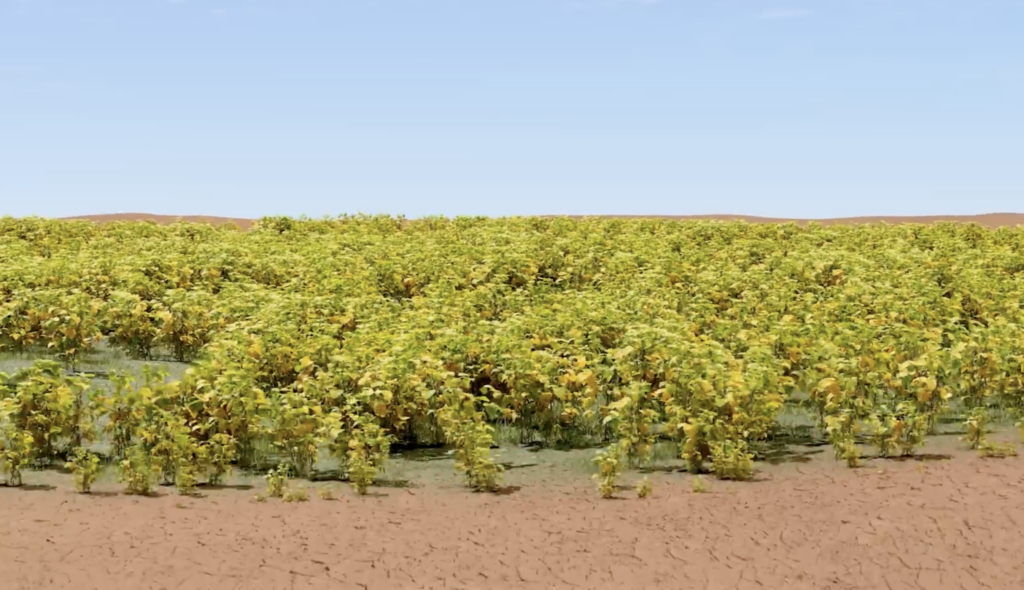
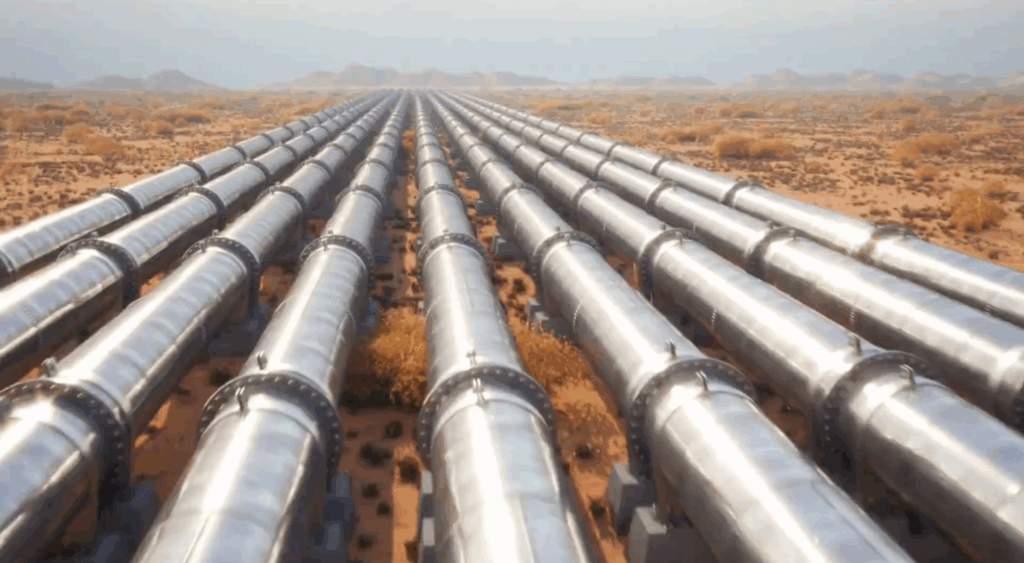
Consequently, the first 10 years are spent constructing hundreds of massive, solar-powered desalination plants along the Atlantic and Mediterranean coasts. Simultaneously, construction crews map out and assemble a continent-spanning network of mega-pipelines and pumping stations cutting into the interior. Early, experimental planting begins exclusively along these coastal zones where water access is immediate.
These initial micro-forests serve as living laboratories, allowing scientists to spend the remaining years of the decade testing which genetically optimized, drought-tolerant tree species can best survive the harsh Saharan soil and kickstart the slow process of converting sterile sand into nutrient-rich dirt.
Years 11 to 20: The Green Wave Advances Inland
By the second decade, the mechanical water grid pushes deep into the heart of the desert, pumping millions of gallons of desalinated water inland. Trees, crops, and grasslands begin to advance across the landscape like a slow-moving green tide. This is the stage where biology begins to take over from raw engineering. As these millions of new plants transpire, they pump massive amounts of moisture back into the dry atmosphere, creating a localized water cycle.
By year 20, local weather patterns begin to bend under the sheer volume of vegetation. The Sahara starts generating its own regional rainfall, accelerating the transition toward a subtropical microclimate. At this twenty-year mark, the young forests are actively pulling carbon dioxide out of the Earth’s atmosphere, providing a measurable shield against global warming, though this victory is only meaningful if the rest of the world is simultaneously cutting industrial emissions.
Years 21 to 50: The Albedo Paradox and Climate Backlash
Passing the quarter-century mark and pushing toward year 50, the golden sands of the Sahara are replaced by a sprawling, green expanse of managed woodlands, farmlands, and vast, open grasslands. But this major milestone triggers a dangerous environmental plot twist known as the albedo paradox.
Dark green leaves absorb significantly more solar heat than highly reflective, bright yellow desert sand. Because the newly greened Sahara is now absorbing massive amounts of sunlight, regional temperatures actually begin to spike dramatically between years 30 and 50.
This creates a dizzying paradox: while the Saharan plants are successfully lowering global carbon levels, the physical land itself is trapping more heat. Furthermore, by year 50, the total loss of Saharan dust storms, which naturally blow across the Atlantic to fertilize the Amazon rainforest with vital nutrients, causes the distant Amazon to suffer a severe ecological decline. Climate managers are forced to spend decades constantly adjusting the landscape to keep the region from dangerously overheating and destabilizing global weather patterns.
Years 51 to 100 and Beyond: A New Global Balance
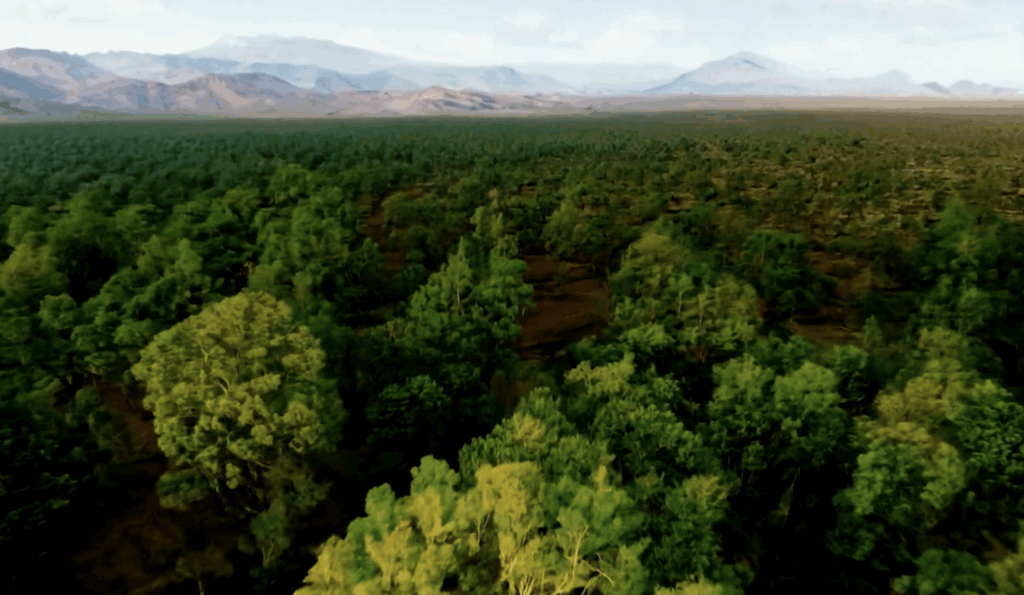
One century after the first shovel hit the sand, the green Sahara finally reaches a state of engineered equilibrium. By year 100, the region has stabilized into a prosperous, fully functioning subtropical zone where thick, ancient forests, high-tech agricultural belts, and thriving human settlements exist side by side.
Expanding drastically on modern initiatives like Africa’s Great Green Wall, this century-long project creates tens of millions of long-term jobs in ecological maintenance, sustainable logging, and advanced agriculture. The northern African economy transforms into a global powerhouse, drawing in eco-tourism, international research teams, and massive sustainable industries.
Ultimately, the long-term survival of this artificial Eden depends on humanity’s absolute commitment over the next hundreds of years to maintaining the complex water pipelines and keeping a watchful eye on the delicate, interconnected balance of our planetary ecosystem.