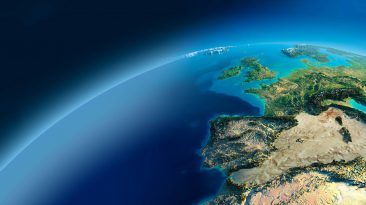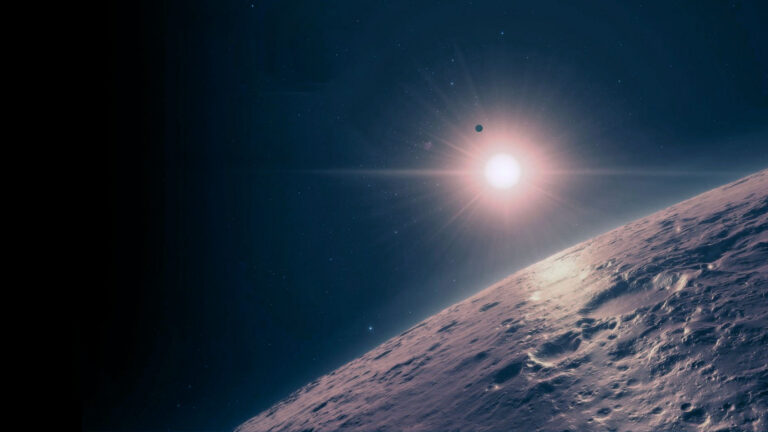
The air around you is so ordinary that you rarely think about it. Yet every breath, every sound you hear, every cloud in the sky, and every drop of liquid water depends on Earth’s atmosphere. It is an invisible shield that makes life possible. But what if it suddenly disappeared?
If Earth’s entire atmosphere vanished in an instant, the planet would become almost unrecognizable. Within seconds, the environment would turn deadly, and without specialized equipment, your chances of survival would be measured in moments.
The atmosphere does far more than provide oxygen. It protects Earth from harmful solar radiation, burns up countless small meteoroids before they reach the ground, regulates global temperatures, and maintains the air pressure that allows liquid water to exist. Without it, Earth would quickly begin to resemble Mars.
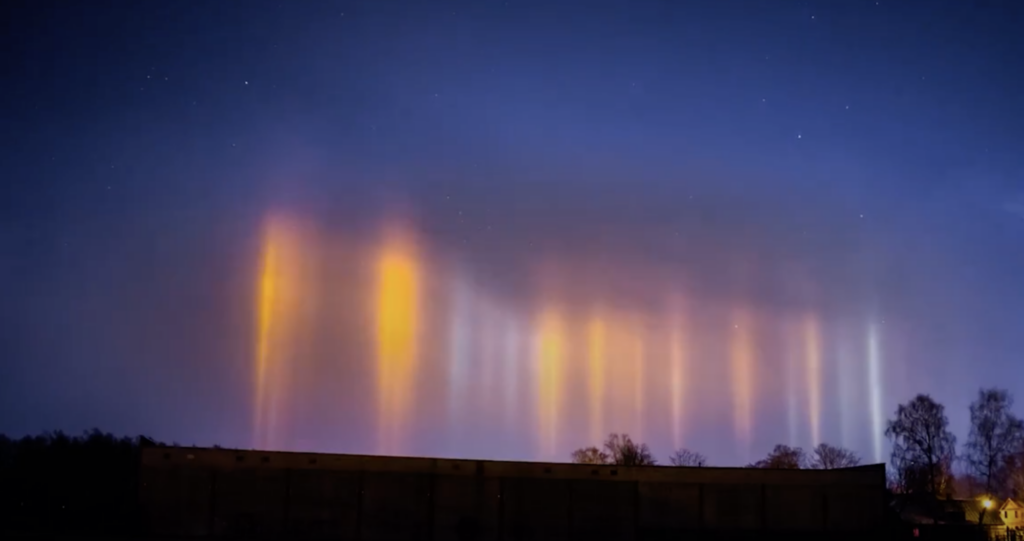
Scientists believe Mars once had a much thicker atmosphere billions of years ago. As its magnetic field weakened, much of that atmosphere was gradually stripped away by the solar wind, leaving behind the cold, dry world we see today. If Earth suddenly lost its atmosphere, the transformation would happen much faster and with devastating consequences.
The first thing you would notice is silence.
Sound travels by vibrating molecules in the air. Without an atmosphere, those vibrations would have nothing to move through. Even massive explosions nearby would produce no sound at all. The world would become eerily quiet.
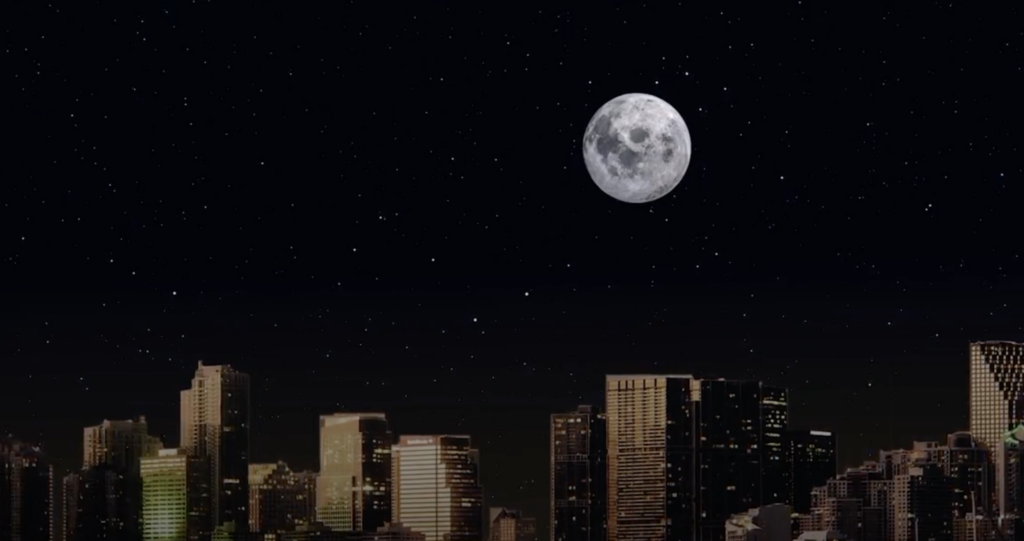
The sky would also change instantly. Instead of its familiar blue color, it would appear completely black, even in the middle of the day. Normally, sunlight is scattered by tiny particles in the atmosphere, giving the sky its blue appearance. Without those particles, space would become visible overhead at all times.
Aircraft would quickly lose lift because wings rely on air pressure to generate flight. Birds would face the same problem, falling from the sky almost immediately.
The oceans would begin changing in unexpected ways. At sea level, water normally boils at 100 degrees Celsius because of atmospheric pressure. Remove that pressure, and the boiling point drops dramatically. Large amounts of surface water would begin boiling despite remaining relatively cool.
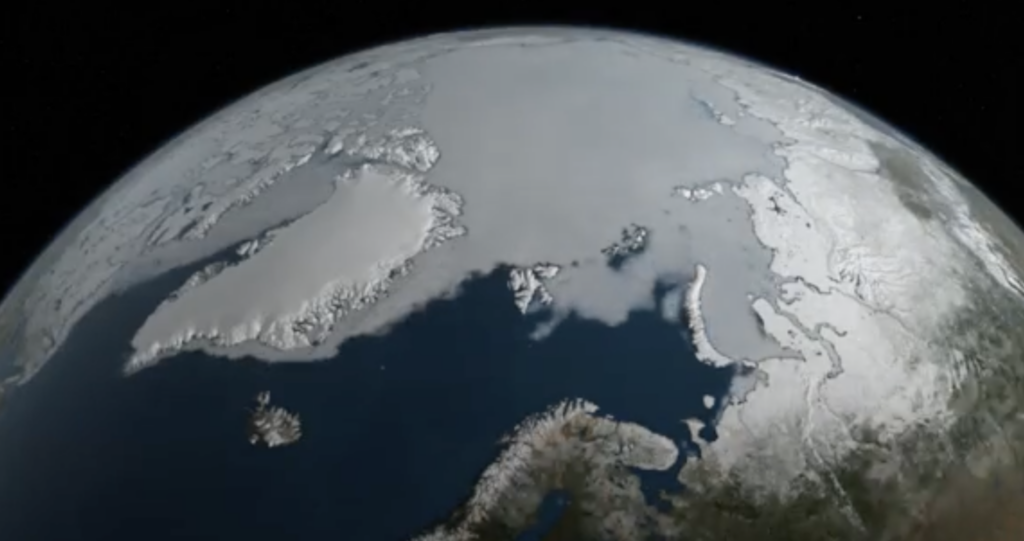
However, the process would not continue indefinitely. As water vapor accumulated, temperatures would plunge. Eventually, much of the remaining water would freeze into ice, leaving Earth with a landscape of frozen oceans covered by thin layers of vapor.
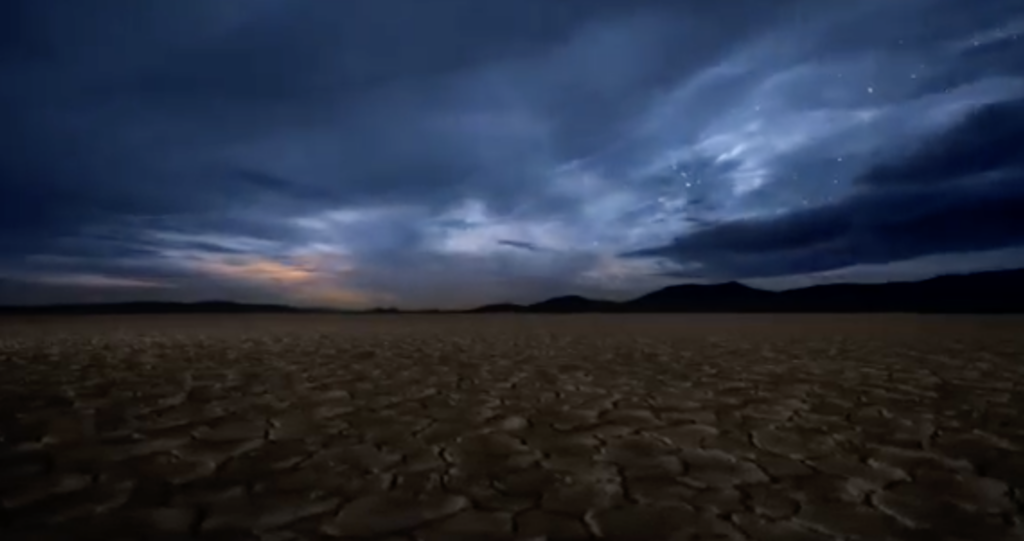
Temperatures across the planet would become far more extreme. During the day, areas exposed directly to sunlight could become intensely hot, while nighttime temperatures would plunge far below freezing. Without an atmosphere to trap heat and distribute it around the globe, Earth would experience enormous swings between day and night.
Solar radiation would become another immediate threat. Earth’s atmosphere normally absorbs much of the Sun’s dangerous ultraviolet radiation. Without that protective layer, direct exposure would become deadly. Even standing outside for a short time would result in severe radiation damage.
But before radiation or freezing temperatures became your biggest concern, another problem would take over.
Breathing.
Humans rely not only on oxygen but also on atmospheric pressure. Your lungs function because the pressure outside your body allows them to expand and contract normally. If the atmosphere suddenly vanished, there would be no external pressure to keep your lungs functioning.
Holding your breath would actually make things worse. The air trapped inside your lungs would rapidly expand, potentially causing severe damage. The safest response would be to exhale immediately.
Even then, survival would be brief.
Most people would lose consciousness within about 15 seconds as oxygen already circulating in the bloodstream was depleted. Without immediate access to a pressurized spacesuit supplying oxygen, death would follow within a few minutes.

The disaster would not stop with humans. Animals would perish for the same reason, while plants would lose access to the conditions they need for photosynthesis. Ocean life would also collapse as surface waters boiled and froze. Only certain microorganisms living deep underground or around hydrothermal vents might survive.
Could Earth’s atmosphere ever return?
Over incredibly long periods, volcanic eruptions and geothermal activity would continue releasing gases such as carbon dioxide and water vapor. Sunlight could split water molecules into hydrogen and oxygen, gradually contributing to a thin new atmosphere. But this process would take millions of years, and the resulting atmosphere would likely remain far too thin for humans to breathe.
Fortunately, this nightmare scenario is extraordinarily unlikely. Earth’s magnetic field and atmosphere have protected the planet for billions of years, and scientists see no evidence that they are about to disappear overnight.
Every time you take a breath, watch a sunset, or hear birds singing overhead, you are experiencing the remarkable protection of Earth’s atmosphere. It may be invisible, but without it, life on this planet would vanish almost as quickly as the air itself.