For centuries, it looked like nothing but jungle.
Dense Guatemalan rainforest stretching in every direction, hiding what turned out to be one of the largest ancient urban landscapes ever found. Millions of people may have lived there, and the forest kept the whole thing secret until lasers finally cut through the canopy.
The discovery is rewriting what experts thought they knew about the Maya, revealing a civilization far more complex and interconnected than anyone believed.
The find came in the Peten region of northern Guatemala, an area already famous for impressive Maya ruins. But this is not another city added to the list.
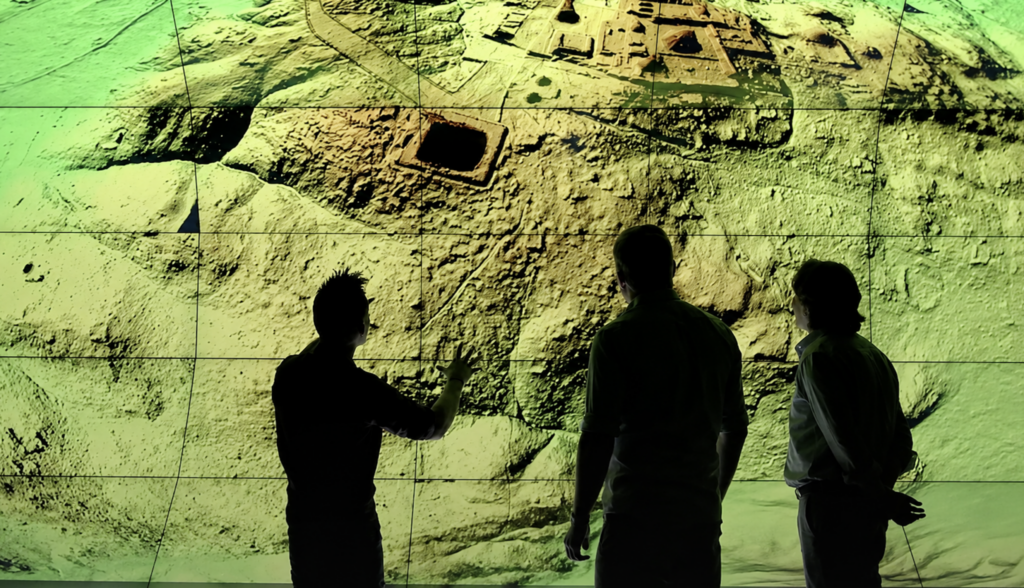
Archaeologists uncovered an entire landscape: settlements, roads, agricultural systems, ceremonial centers, and defensive structures spread across an enormous area.
The breakthrough came from LiDAR, short for Light Detection and Ranging. Aircraft equipped with lasers scan the ground from above, and those pulses punch through forest canopies to map the terrain hidden beneath.
Untouched jungle suddenly becomes buildings, roads, and complete urban layouts.
When researchers analyzed the data, the scale stunned them. Thousands of structures lay beneath the forest floor, connected by elevated causeways linking communities across long distances.
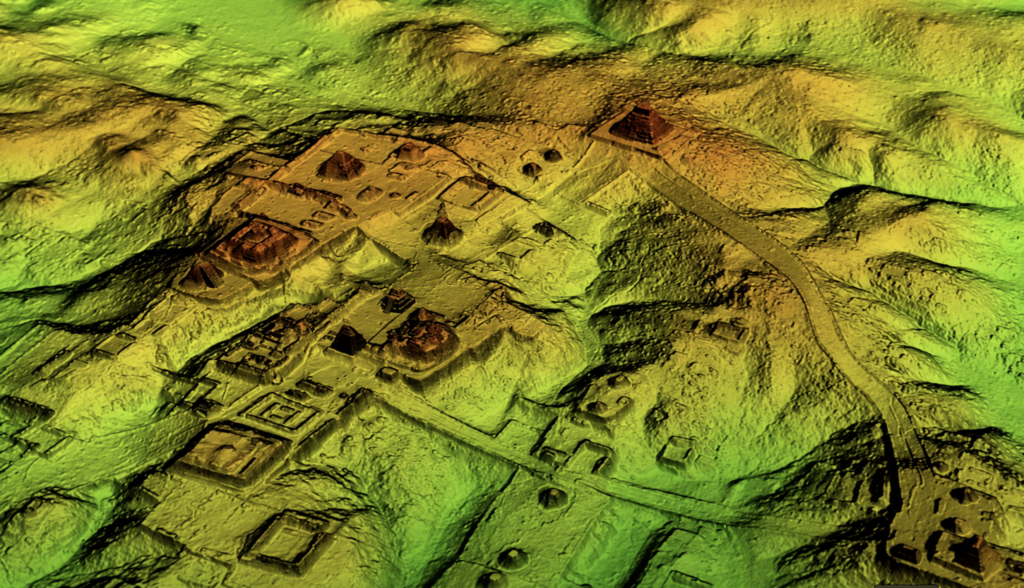
Together, the evidence suggests millions of people may have lived in this region at the height of Maya civilization.
That number alone overturns decades of thinking. Scholars long assumed Maya cities were relatively isolated population centers surrounded by wilderness.
The reality was the opposite. Rather than scattered settlements, the Maya built an extensive network of interconnected urban centers operating as part of one larger civilization.
The engineering makes the picture even more impressive. Massive irrigation systems, reservoirs, and agricultural terraces show a society carefully managing water and food production, allowing huge populations to thrive in demanding conditions.
Among the structures stand pyramids, temples, palaces, and public gathering spaces.
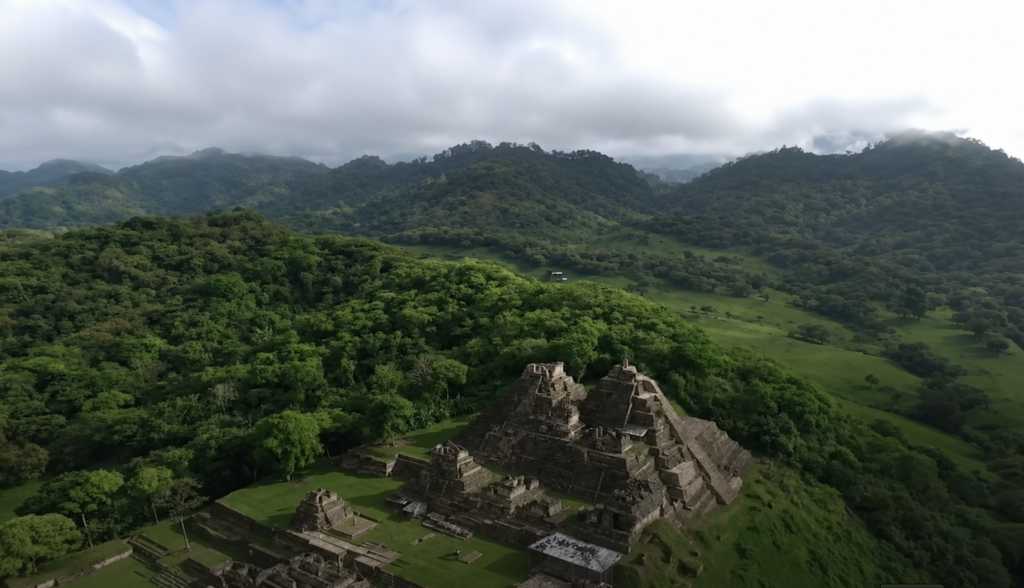
Defensive fortifications turned up too, which tells its own story. Walls and strategically placed structures indicate that warfare and security mattered, and that some communities were ready to defend themselves against rivals.
The agricultural infrastructure reveals something about daily life as well. Farming on that scale had to be highly organized to feed large urban populations, and that level of planning demanded cooperation, leadership, and deep environmental knowledge.
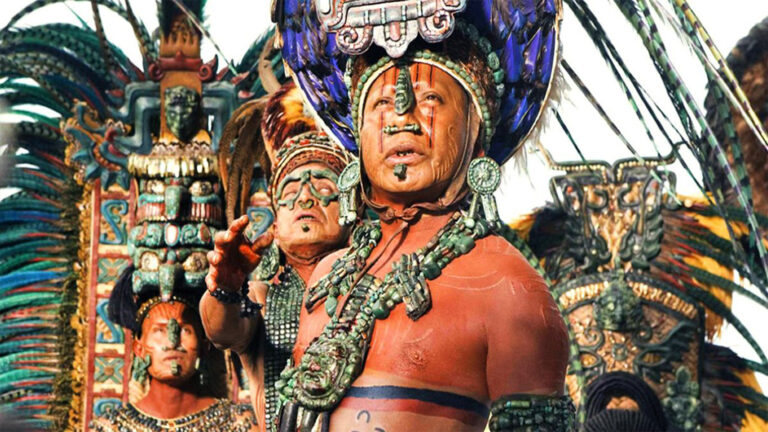
The Maya civilization flourished for centuries, peaking roughly between 250 and 900 AD. In that window they made major advances in mathematics, astronomy, architecture, and writing, achievements that still impress researchers today. This megacity adds another chapter to that record.
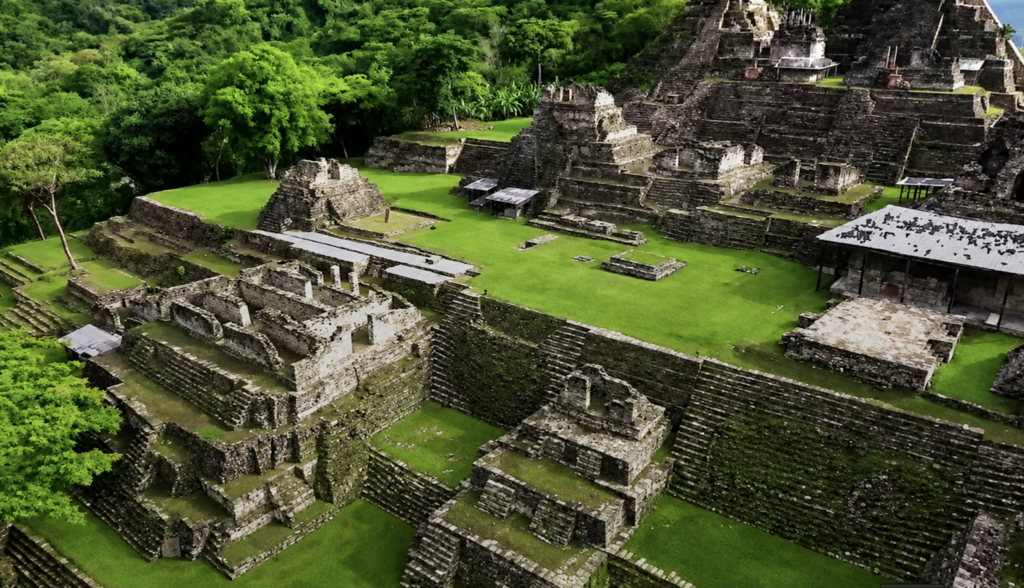
And the Maya are not a vanished people. Many descendants still live throughout Central America, preserving traditions stretching back thousands of years, and modern Maya communities continue contributing knowledge that helps researchers understand the past.
Archaeologists believe this is only the beginning. Vast stretches of rainforest remain unscanned, and future LiDAR surveys could reveal more hidden cities and structures, each one sharpening the picture of one of the most sophisticated civilizations in ancient history.
What the Guatemalan jungle was hiding proves the Maya built urban landscapes on a scale almost nobody imagined. As the technology keeps peeling back the forest, our understanding of the ancient world keeps changing with it.
What looked like isolated ruins is turning out to be the remains of a thriving civilization that reshaped an entire region.