
We encounter millions of microbes every day without even realizing it. Most are harmless, but some can spread illness through the surfaces we touch the most. From places we visit daily to locations we rarely think twice about, germs can hide almost anywhere.
Here are ten of the germiest public places and why they deserve a little extra attention.
10. Schools
Schools bring hundreds or even thousands of students together every day, making them ideal environments for germs to spread. Shared desks, computer keyboards, lunch tables, and water fountains are touched by countless hands throughout the day.

Young children are also more likely to forget proper hand washing, allowing bacteria and viruses to move quickly through classrooms. During cold and flu season, schools often become one of the first places where illnesses spread through entire communities.
9. Hotel Rooms
Hotel rooms may look spotless, but appearances can be misleading. While many surfaces are cleaned between guests, some items receive less attention than others. Decorative bed coverings, television remotes, light switches, and coffee makers can collect germs from many different visitors.
Although most hotels follow cleaning procedures, not every object is disinfected after every stay, making it worth being a little cautious.
8. Offices

Your workplace may contain more germs than you expect. Office desks, telephones, computer mice, and especially keyboards are touched throughout the workday but are not always cleaned regularly. Studies have found that keyboards can contain hundreds of times more bacteria than some bathroom surfaces.
Since many employees eat lunch at their desks and rarely disinfect their equipment, microbes can quickly build up over time.
7. Playgrounds
Public playgrounds are filled with children climbing, sliding, and sharing equipment all day long. Swings, monkey bars, slides, and sandboxes collect dirt, bacteria, and other microorganisms from countless little hands. Fortunately, not every germ is harmful. Many experts believe that normal exposure to everyday microbes helps children’s immune systems develop and become stronger as they grow.
6. Restaurants
Restaurants work hard to maintain clean kitchens, but some of the dirtiest objects are found right at the dining table. Menus are handled by hundreds of customers every week and are rarely disinfected between uses.

Condiment bottles, salt shakers, and even ice machines can also contain surprising amounts of bacteria. Washing your hands before eating remains one of the simplest ways to reduce your exposure.
5. Gas Stations
Gas pump handles are touched by hundreds of drivers every single day. Unlike many indoor public surfaces, they are rarely cleaned throughout the day despite constant use. Research has found that many pump handles carry bacteria linked to illnesses that spread through hand contact. Using hand sanitizer after refueling is a simple habit that can lower your risk of picking up unwanted germs.
4. Public Transportation
Buses, trains, airplanes, and subway systems move millions of passengers every day. Handrails, ticket machines, seat backs, and door buttons are constantly touched by travelers from many different places.

Scientists studying subway systems have discovered enormous numbers of microscopic organisms, including many that have never been fully identified. Although most are harmless, crowded transportation makes it easier for viruses and bacteria to travel from person to person.
3. Grocery Stores
Shopping carts may be one of the dirtiest items you use each week. They come into contact with raw food packaging, produce, children’s hands, and thousands of shoppers every day. Checkout touch screens, freezer handles, and refrigerator doors are also frequently touched without being cleaned between customers. Wiping down cart handles and washing produce at home can help reduce exposure to unwanted microbes.
2. Public Restrooms
Many people assume toilet seats are the dirtiest part of a public restroom, but research suggests otherwise. Sink faucets, soap dispensers, and door handles often contain significantly more bacteria because they are touched repeatedly by people before washing their hands.
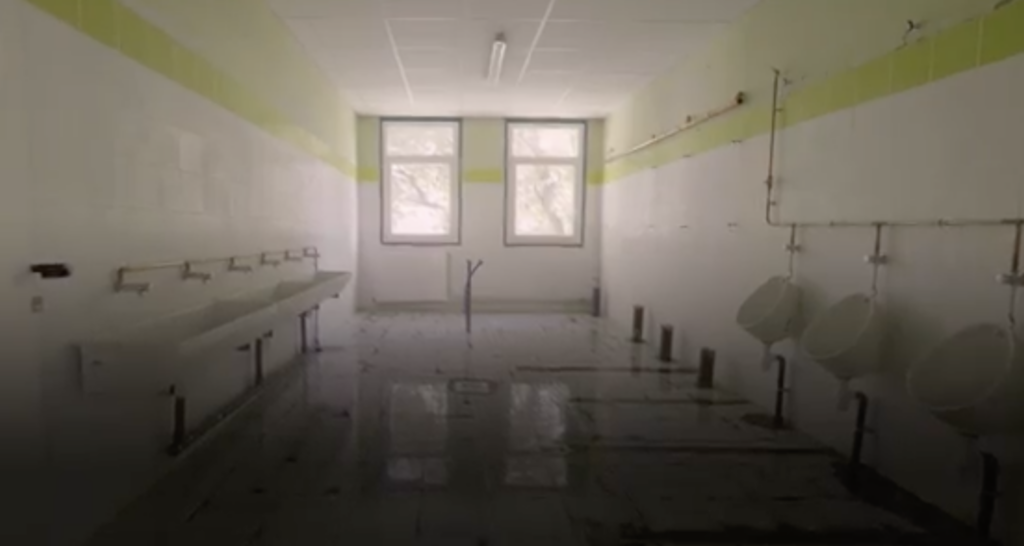
Proper hand washing with soap remains one of the most effective ways to prevent germs from spreading. Using a paper towel to open the exit door can also reduce contact with contaminated surfaces.
1. Gyms
Fitness centers top the list because exercise equipment is shared by dozens of people throughout the day. Dumbbells, treadmills, yoga mats, and weight machines collect sweat, skin cells, and bacteria from every workout. Studies have found that some treadmill surfaces contain many times more bacteria than common bathroom fixtures. Wiping down equipment before and after use, along with washing your hands after exercising, helps keep both you and other gym members healthier.
Completely avoiding germs is impossible, and most microorganisms are harmless or even beneficial. However, knowing where bacteria are most likely to accumulate can help you make smarter hygiene choices. Simple habits such as washing your hands, disinfecting frequently touched items, and avoiding touching your face can go a long way toward reducing your chances of getting sick.