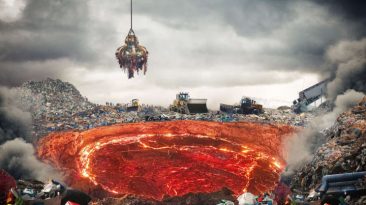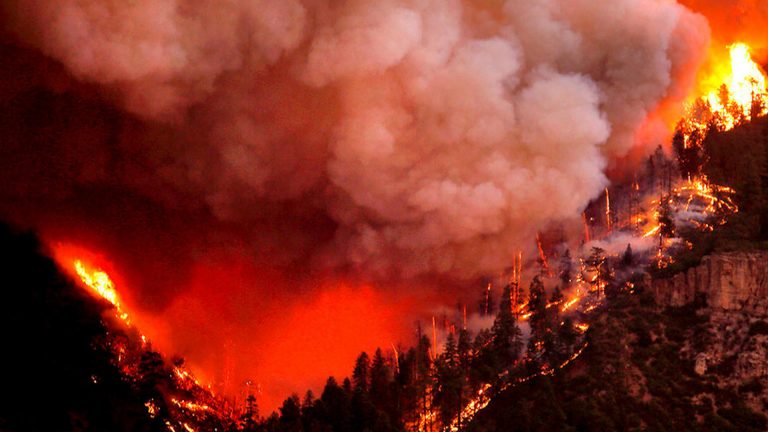
A devastating wildfire near Los Gallardos in southern Spain has become one of the deadliest fires in the country’s history. At least 12 people lost their lives, while rescue crews continue searching for more than 20 people still missing. Many victims were caught off guard as the fire spread with incredible speed, abandoning their vehicles and trying to escape on foot.
Within minutes, a situation that seemed survivable turned into a deadly disaster.
Wildfires are becoming more frequent and more destructive across the globe. Hotter temperatures, prolonged droughts, and strong winds create the perfect conditions for fires that can race across forests, grasslands, and even communities. Knowing what to do during those critical first moments could make the difference between life and death.
Why Wildfires Spread So Quickly
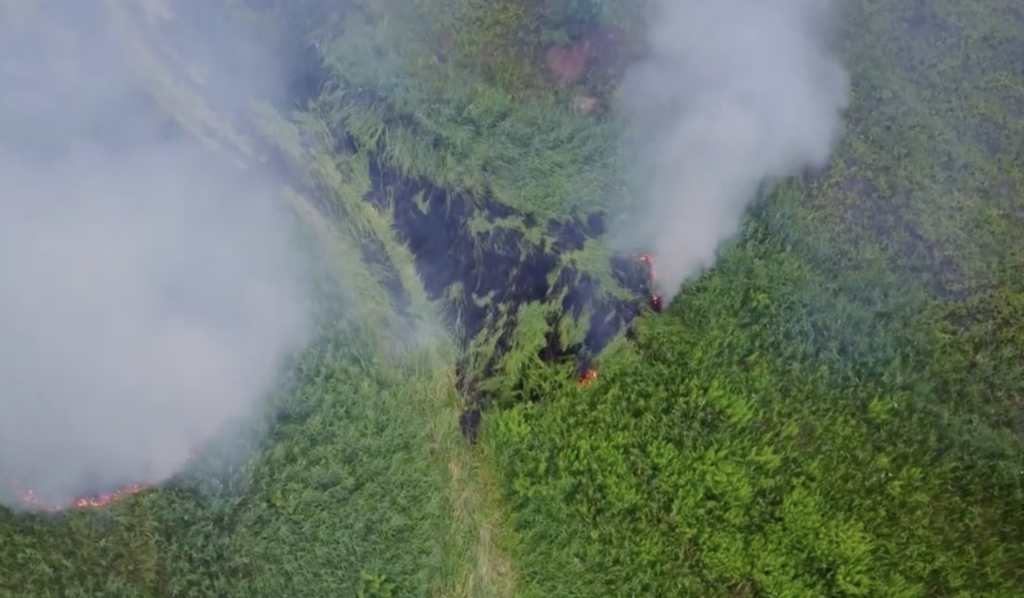
Wildfires begin when a heat source ignites dry vegetation. Lightning strikes, unattended campfires, discarded cigarettes, faulty power lines, and even sparks from machinery can all trigger a blaze. Once a fire starts, dry grass, shrubs, and trees provide an endless supply of fuel.
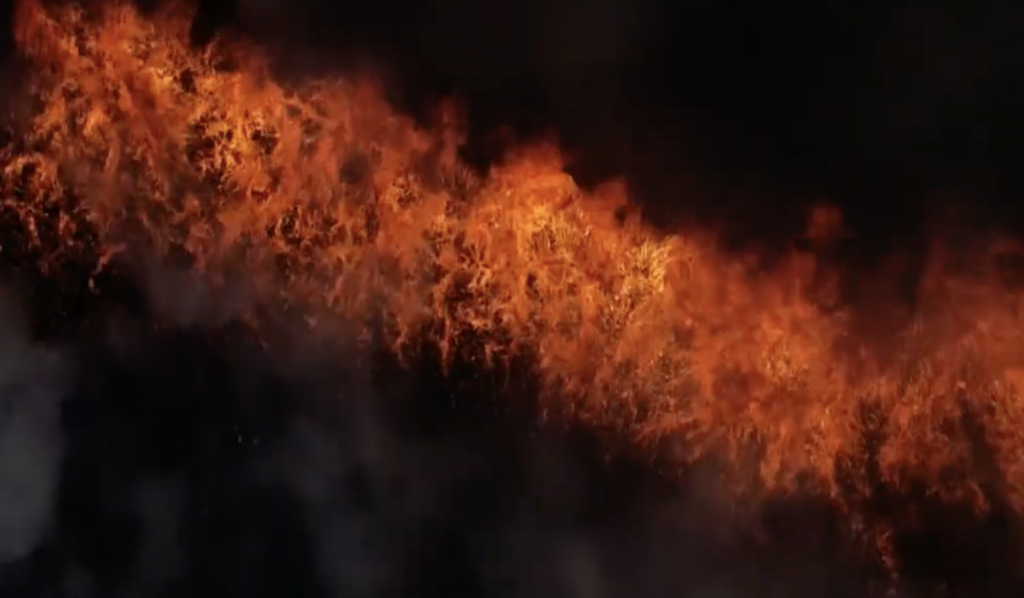
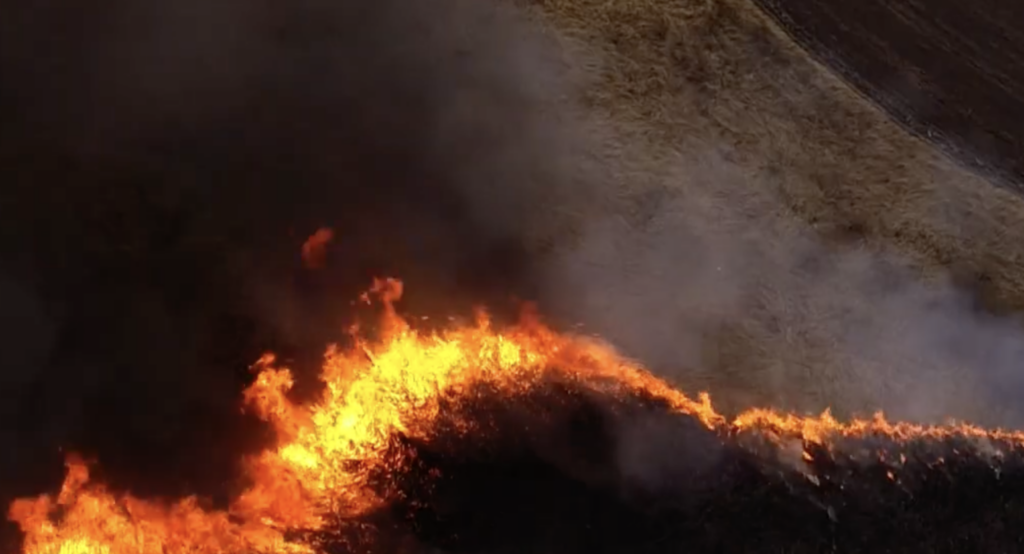
Under extreme conditions, wildfire flames can soar more than 50 meters into the air while temperatures exceed 1,200 degrees Celsius. Powerful winds can carry burning embers far ahead of the main fire, creating new fires kilometers away and trapping people who thought they were safely out of danger.
Although wildfires can happen almost anywhere, human activity is responsible for the vast majority of them. Carelessness and deliberate fire setting account for most forest fires around the world every year.
Step One: Stay Calm
The first instinct during a wildfire is often to panic and run. Unfortunately, that reaction can be deadly.
Wildfires can move faster than most people can sprint, especially when driven by strong winds or moving uphill. Running blindly through heavy smoke also causes rapid breathing, increasing the amount of dangerous smoke entering your lungs.
Instead, slow your breathing and focus on making smart decisions. Remaining calm allows you to better assess your surroundings and choose the safest escape route.
Step Two: Protect Your Airways
Smoke is often more dangerous than the flames themselves. Thick smoke contains toxic gases and tiny particles that can quickly overwhelm your lungs.
Cover your mouth and nose with clothing, a towel, or any available fabric. If possible, dampen the material with water to help filter some of the smoke. Stay as low to the ground as you can because cleaner air is usually found closer to the surface.
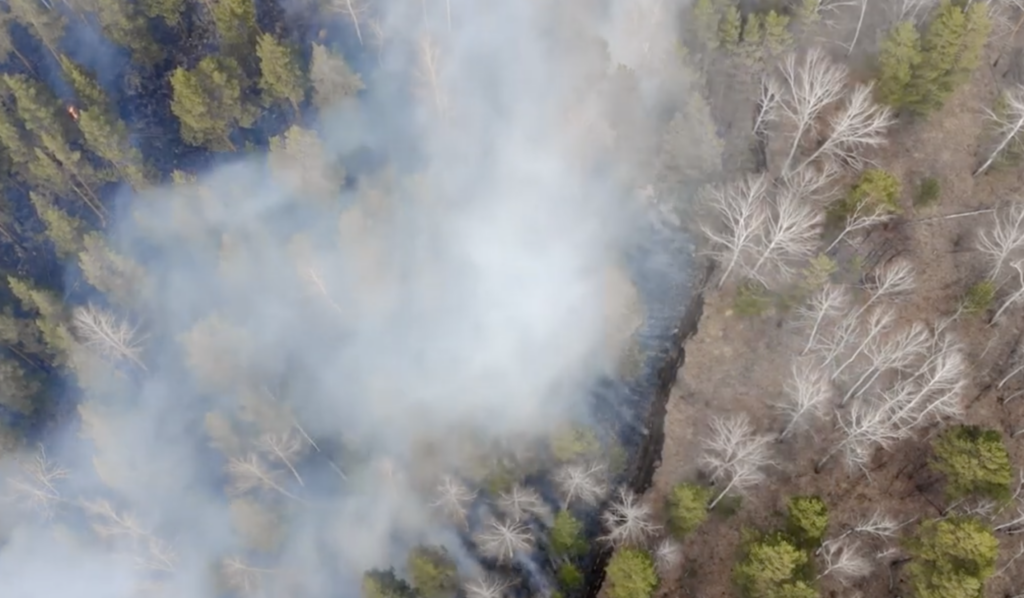
If you become trapped and cannot continue moving, look for areas with little or no vegetation. Large rocks, exposed soil, or fallen logs may offer some protection from direct flames.
Step Three: Choose the Safest Ground
Not every part of the forest burns the same way.
Hardwood trees generally burn slower than evergreen conifers, which contain highly flammable resin. If you have a choice, move toward areas with hardwood trees or open ground where there is less fuel for the fire.
Avoid climbing hills if possible. Wildfires naturally move uphill much faster because heat rises and preheats the vegetation above the flames. Moving downhill toward open terrain can significantly improve your chances of survival.
Fields, recently burned areas, rocky clearings, or wide roads may serve as safer locations while waiting for the fire to pass.
Step Four: Find Shelter
If escape is impossible, finding shelter becomes your priority.
A ditch, depression, or low area can offer protection from radiant heat and direct flames. If the ground is soft and there is enough time, digging a shallow trench may provide additional protection.
Cover yourself with available materials such as blankets, jackets, or even loose soil to reduce exposure to heat. Keep your face covered and remain as low as possible until conditions improve.
One California wildfire survivor, Nicole Jolly, survived after escaping her burning vehicle and reaching a nearby fire truck. Firefighters sheltered her inside the truck and protected the windows with fire resistant blankets while the flames passed around them.
Step Five: Call for Help
If your phone has service, contact emergency responders immediately.
Provide your exact location, describe nearby landmarks, and explain your situation as clearly as possible. Even if rescue cannot reach you immediately, knowing your last known location greatly increases the chances of being found once conditions allow search teams to enter the area.
If your phone battery is low, avoid unnecessary use and save power for emergency communication.
What Not To Do
Several common mistakes can quickly become fatal during a wildfire.
Do not try to outrun fast moving flames on foot unless you have a clear, safe escape route.
Do not shelter beneath vehicles or in heavy vegetation where fire intensity is greatest.
Avoid wearing synthetic clothing if possible. Synthetic fabrics can melt when exposed to extreme heat, causing severe burns. Natural fibers such as cotton or wool provide better protection.
Most importantly, never ignore evacuation orders. Leaving early is always far safer than waiting until the fire is visible.
The Best Survival Tool Is Preparation
Wildfires rarely give much warning. Keeping track of weather conditions, following local emergency alerts, and having an evacuation plan before entering fire prone areas can dramatically improve your chances of survival.
The tragic wildfire in southern Spain serves as another reminder that these disasters can escalate within minutes. Staying calm, protecting your breathing, choosing safer terrain, finding shelter when necessary, and contacting emergency services are simple actions that could save your life when every second counts.