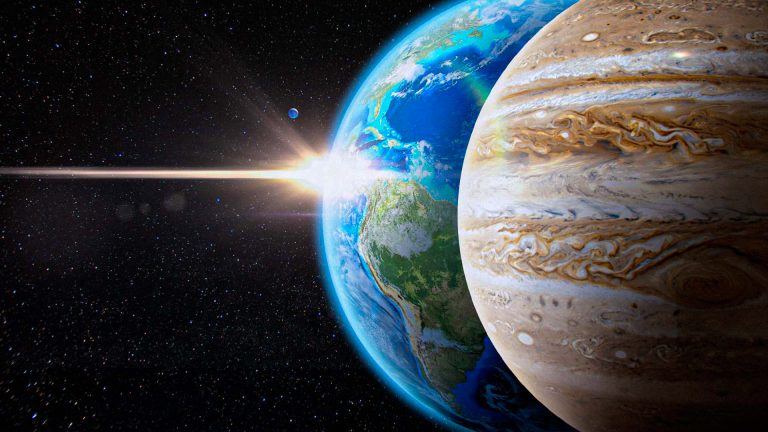
Jupiter is the largest planet in the Solar System, a massive gas giant so enormous that its gravitational influence reaches far beyond its distant orbit. Although it sits hundreds of millions of kilometers from Earth, its presence may have played an important role in shaping the environment that eventually allowed life to develop on our planet.
So what would happen if Jupiter had never existed?
At first, it might seem like removing a planet from the Solar System would have little effect on Earth. Jupiter is extremely far away, after all. But its enormous mass gives it a powerful gravitational pull, and that makes it one of the most influential objects in our planetary neighborhood.
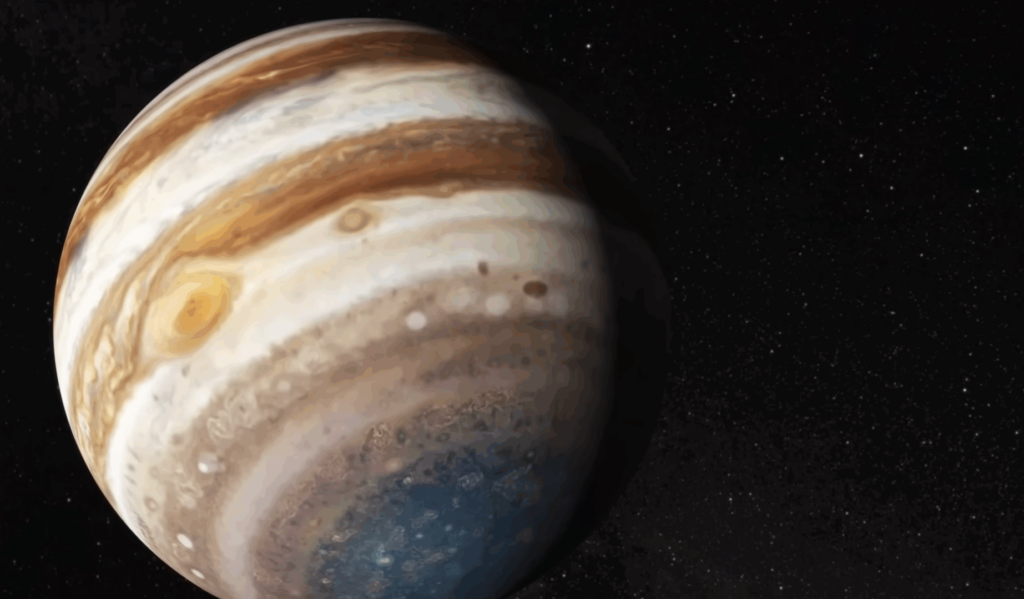
One of Jupiter’s most important effects involves asteroids and comets. Throughout the history of the Solar System, countless pieces of rock and ice have traveled through space, and some have crossed Earth’s path.
Asteroid impacts can have devastating consequences. The impact associated with the extinction of the non avian dinosaurs around 66 million years ago demonstrated just how destructive a large space rock can be.
But impacts may also have played a role in Earth’s development. Some scientists have proposed that asteroids and other small bodies delivered water and other materials to the young Earth, potentially helping create conditions suitable for life.
Jupiter’s enormous gravity can alter the paths of these objects. It can capture some in orbit, deflect others and send still more toward completely different regions of the Solar System.
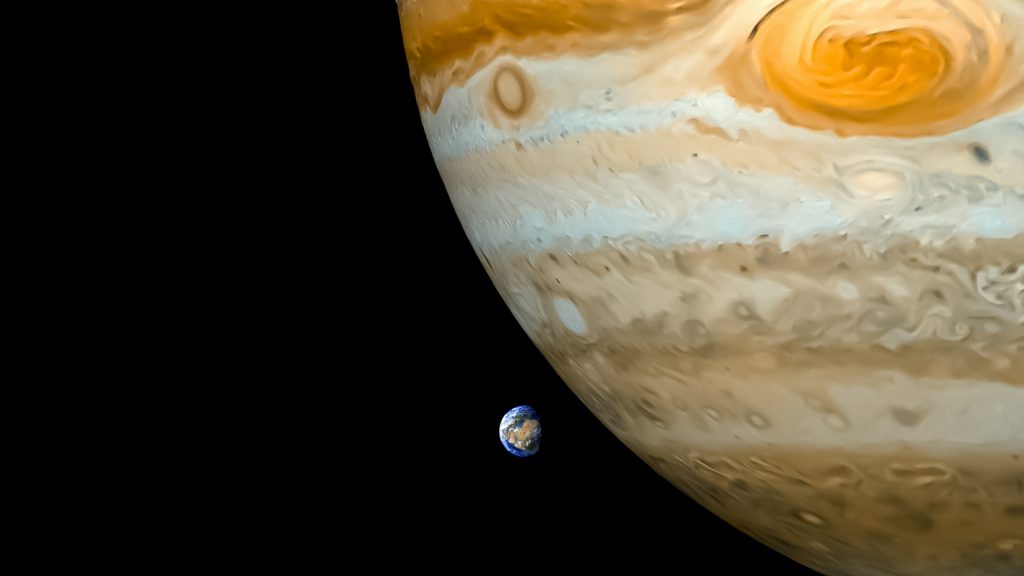
This has sometimes been described as a protective role, but the reality is more complicated. Jupiter does not simply act as a shield surrounding Earth. Its gravity can also redirect comets and asteroids toward the inner Solar System, meaning that it can sometimes increase the risk of an impact rather than reduce it.
One famous example occurred roughly 350 years ago, when Jupiter’s gravity helped alter the trajectory of a comet that eventually came toward the inner Solar System. Fortunately, the object missed Earth.
If Jupiter had never existed, the Solar System would have developed differently from the beginning. The movement and distribution of countless asteroids and comets would have been altered, and Earth’s own formation could have followed a completely different path.
That means it is impossible to say with certainty that humans would simply exist on a slightly more dangerous Earth. Without Jupiter, Earth itself might have formed differently, potentially changing its orbit, composition and history of impacts.
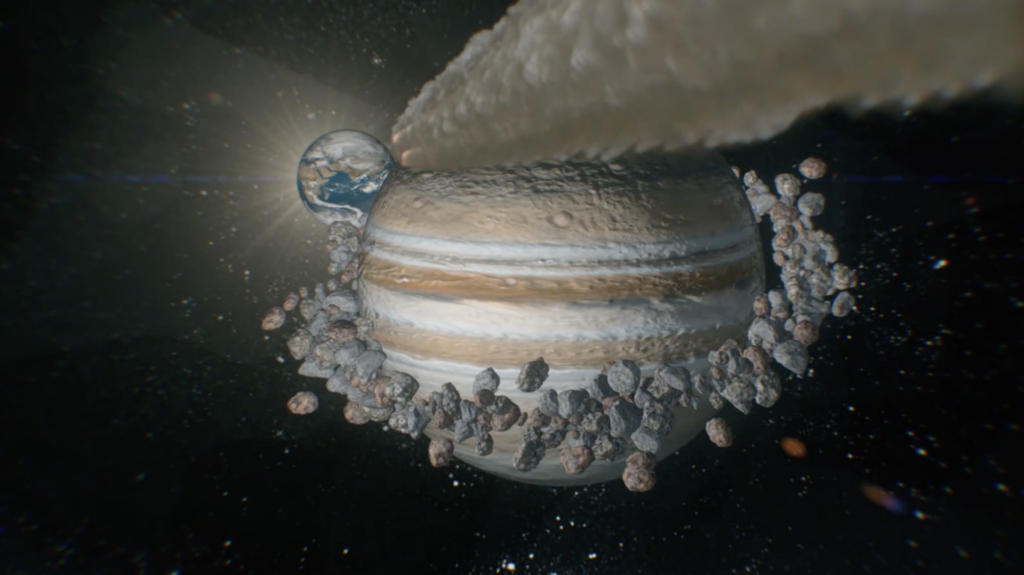
Our planet could still have developed oceans and life, but the conditions that eventually produced complex ecosystems may never have occurred. Even if life emerged, repeated catastrophic impacts could have repeatedly disrupted its development.
What if Jupiter suddenly disappeared today instead?
That scenario would be very different. Earth and the other planets would not instantly vanish, but their long term orbits would gradually change because one of the Solar System’s most massive sources of gravity would suddenly be gone.
The consequences would extend throughout the Solar System, affecting asteroids, comets and the orbits of other planets. Earth would not immediately become uninhabitable, but the Solar System would enter a very different gravitational state.
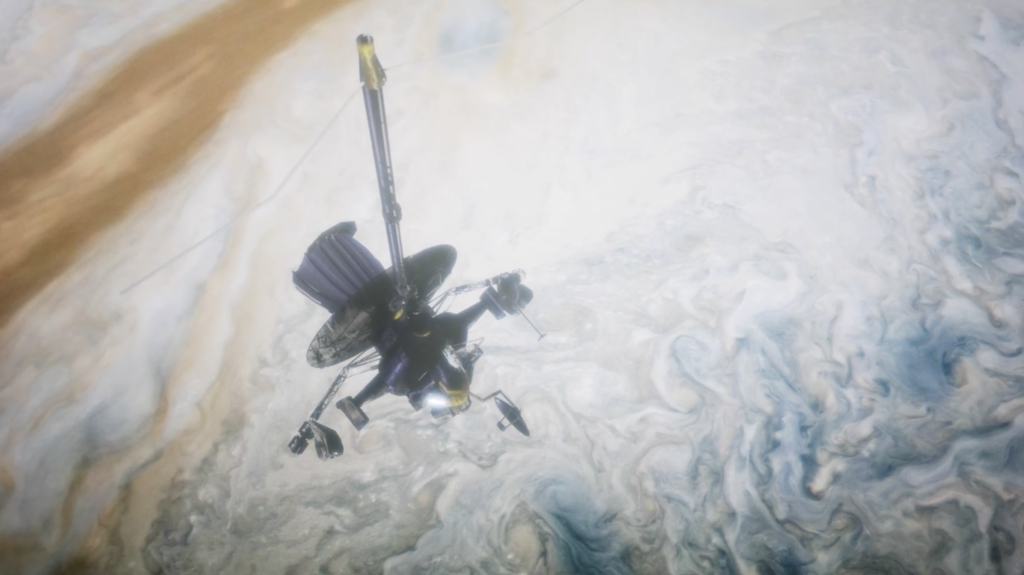
Jupiter is therefore neither a perfect cosmic shield nor the single reason humans exist. Its influence is far more complicated. It has redirected objects away from Earth, sent others inward and helped shape the Solar System over billions of years.
Still, without Jupiter, the chain of events that produced modern Earth could have been dramatically different. The planet we know might never have formed in the same way, and the conditions that allowed humans to evolve might never have appeared.
So the next time you look up at the night sky, remember that the enormous gas giant hundreds of millions of kilometers away may have played a role in making our existence possible. Jupiter does not simply sit quietly at the edge of our planetary neighborhood. Its gravity has been influencing the Solar System for billions of years.