Rabies is one of the most frightening diseases known to medicine. It can begin with something that seems almost harmless, such as a small bite or scratch from an infected animal.
For weeks or even months, the person may feel completely normal while the virus slowly moves through the nervous system toward the brain. Once serious symptoms finally appear, the disease becomes extremely difficult to stop.
It Can Begin With a Tiny Wound
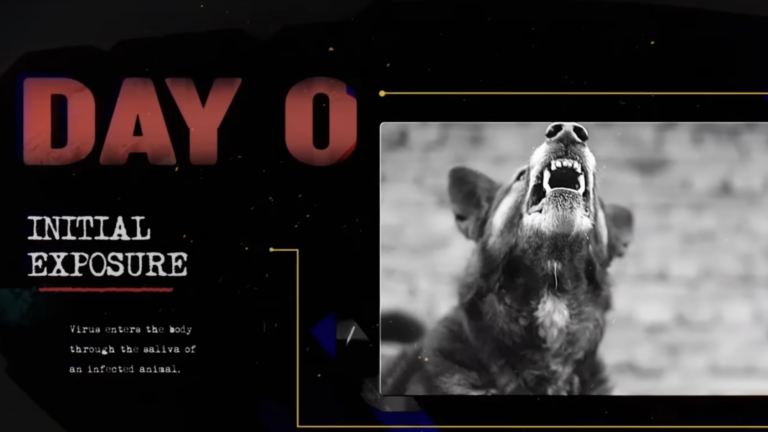
Rabies is caused by a virus that attacks the nervous system of mammals. People most commonly become infected after being bitten by an infected animal, with dogs responsible for the majority of human rabies deaths worldwide.

However, bats, foxes, skunks, cats, and other mammals can also carry the virus and transmit it through bites or scratches.
The wound itself may not look particularly dangerous. It can heal normally while the virus continues its journey inside the body, which is one of the reasons rabies exposure must always be taken seriously.
The Virus Enters the Nervous System
After entering through damaged skin, the rabies virus can infect nearby nerve cells. Instead of spreading primarily through the bloodstream like many other viruses, rabies moves through nerve tissue, gradually making its way toward the spinal cord and brain.
How quickly this happens can vary considerably. The location of the bite is one important factor because an exposure farther away from the brain may give the virus a longer distance to travel. A bite on the face or neck can potentially result in a shorter incubation period.
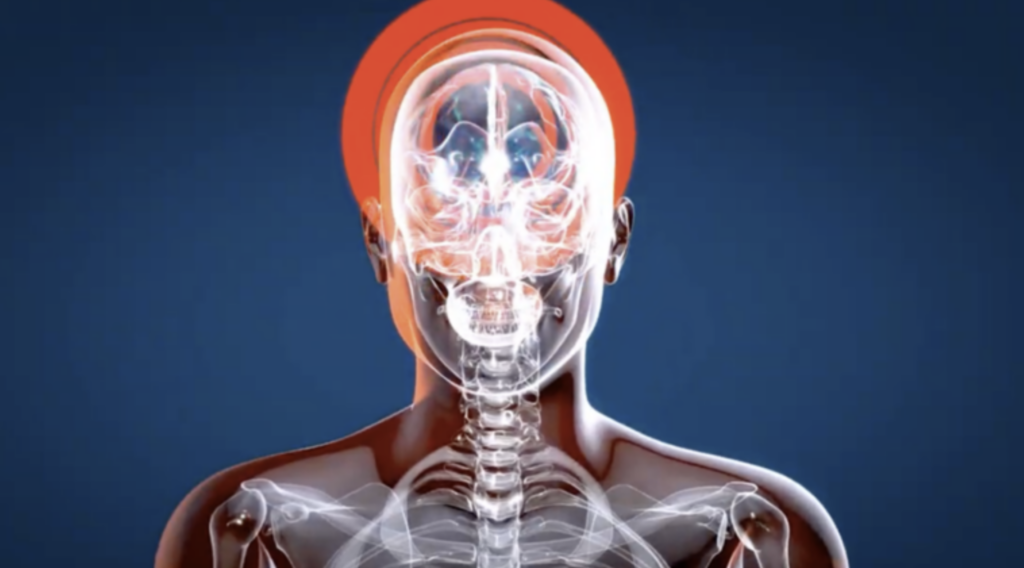
During this stage, the infected person may have absolutely no symptoms. They can continue their normal routine without realizing that the virus is advancing through their nervous system.
The Silent Incubation Period
The incubation period usually lasts for weeks or months, although it can vary significantly between cases. Someone might wake up, go to work, eat normally, and carry on with everyday life without feeling sick at all.
This period is extremely important because rabies can still be prevented after an exposure if medical treatment is started before symptoms develop. Post exposure treatment can include rabies vaccination and, when necessary, rabies immunoglobulin. This treatment is highly effective when administered appropriately and promptly.
Waiting for symptoms to appear is therefore extremely dangerous.
The First Signs of Illness
When rabies finally begins producing symptoms, the first signs may not immediately reveal what is happening. Fever, headache, weakness, tiredness, loss of appetite, and general discomfort can make the illness resemble many other infections.
Some people experience unusual pain, burning, itching, or tingling around the location where the animal originally bit them. These sensations can occur even after the wound itself appears to have healed.
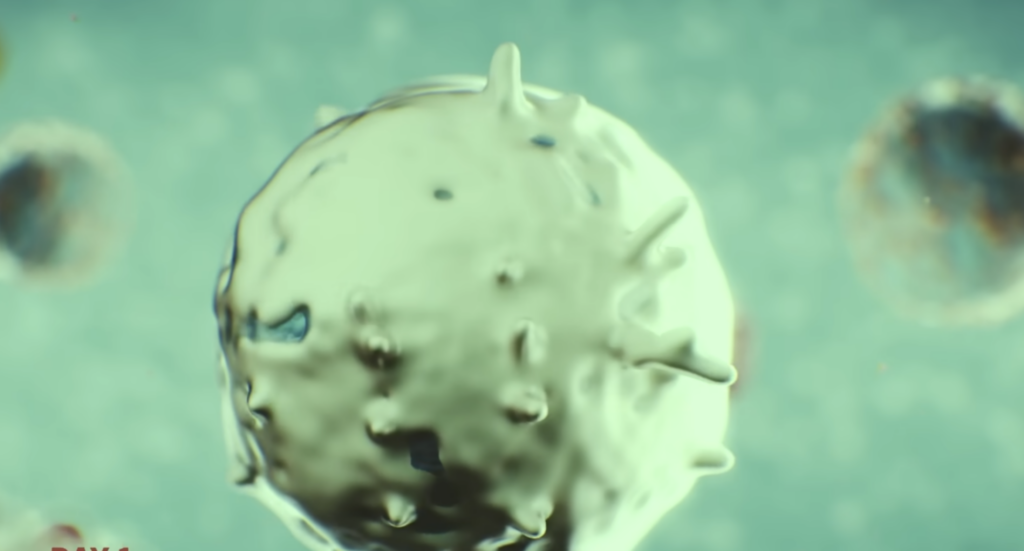
As the virus continues affecting the nervous system, however, the symptoms become increasingly severe.
The Brain Comes Under Attack
Rabies can cause severe inflammation of the brain and spinal cord. The infected person may become extremely anxious, restless, confused, or agitated, while sleep can become increasingly difficult.
Hallucinations and delirium may also occur. A person who was previously calm can suddenly behave in a completely different way as the virus interferes with areas of the brain responsible for movement, behavior, and other essential functions.
At this point, the infection has progressed far beyond the original wound. The virus is now causing widespread neurological damage.
Why Drinking Water Can Become Almost Impossible
One of the most recognizable symptoms of rabies is hydrophobia, commonly described as a fear of water. However, the condition is not simply a psychological fear. Attempts to swallow can trigger extremely painful and involuntary spasms in the muscles of the throat.

This can make drinking incredibly difficult. In some cases, even the sight or thought of water can trigger the spasms, leaving the person desperately thirsty but unable to drink normally.
Excessive saliva can also develop because swallowing becomes so difficult. This contributes to the classic image associated with severe rabies, where saliva accumulates around the mouth.
Paralysis Can Take Over the Body
Rabies does not affect every patient in exactly the same way. Some people develop an agitated form of the disease, while others develop paralytic rabies, in which weakness gradually spreads through the body.
The muscles may become increasingly difficult to control, eventually affecting the arms, legs, and muscles required for breathing. As neurological damage progresses, the person’s ability to move and communicate can deteriorate dramatically.
Consciousness may eventually be lost as the infection overwhelms the central nervous system.

The Final Days
Once clinical symptoms have appeared, rabies is almost always fatal. Patients can deteriorate rapidly, eventually developing severe neurological dysfunction, respiratory failure, cardiac complications, or other problems caused by the extensive damage to the nervous system.
Most symptomatic cases end in death within days to a few weeks, although the exact progression varies. The devastating outcome is what gives rabies one of the highest fatality rates of any known infectious disease after symptoms begin.
There have been extremely rare reports of people surviving symptomatic rabies, but these cases are exceptional. They do not change the fundamental medical reality that symptomatic rabies is extraordinarily dangerous.
Can the Virus Stay Hidden for Years?
Most rabies infections become symptomatic within weeks or months, but unusually long incubation periods have been documented. This means that feeling healthy after an animal bite does not necessarily prove that the exposure was harmless.
Anyone who is bitten or scratched by an animal that could potentially carry rabies should seek medical attention immediately rather than waiting to see whether symptoms develop.

The Race Against Time
Rabies is terrifying because the disease can become almost impossible to stop once it reaches the brain. But there is another side to the story that is just as important: rabies is largely preventable when the correct treatment is given promptly after exposure.
The first step after a suspicious bite or scratch is to thoroughly wash the wound with soap and water and seek urgent medical advice. Doctors can determine whether post exposure treatment is required based on the animal, the circumstances of the exposure, and the risk of rabies.
Vaccinating pets, avoiding contact with unfamiliar wild animals, and taking animal bites seriously can prevent countless infections.
The virus may be one of the deadliest infections known to humanity once symptoms begin, but the outcome does not have to be inevitable. The critical battle against rabies happens before the first symptoms appear, when there is still time to stop the virus from reaching the brain.