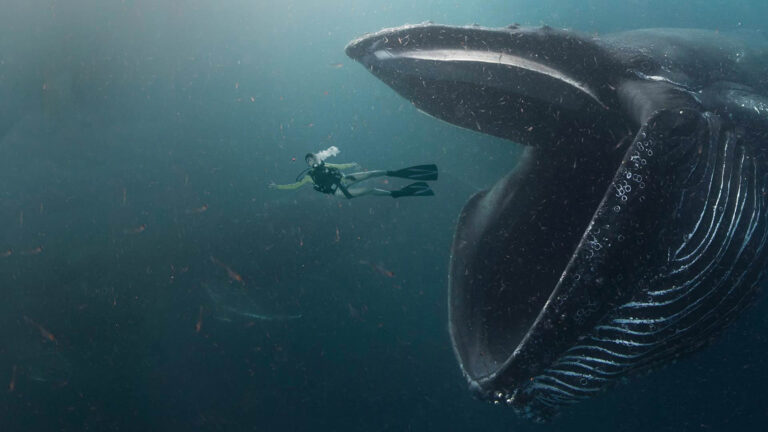
When it comes to extreme lifespans in the animal kingdom, the bowhead whale stands in a league of its own. Deep in the freezing Arctic waters, this enormous marine mammal is believed to be the longest living mammal on Earth, with some individuals surviving for more than 200 years.
The bowhead whale, known scientifically as Balaena mysticetus, is perfectly built for one of the harshest environments on the planet. Its massive body is insulated by thick layers of blubber, and its powerful skull is strong enough to push through solid sea ice.
But while its size and strength are impressive, what truly sets it apart is something far less visible: its extraordinary ability to live for centuries.
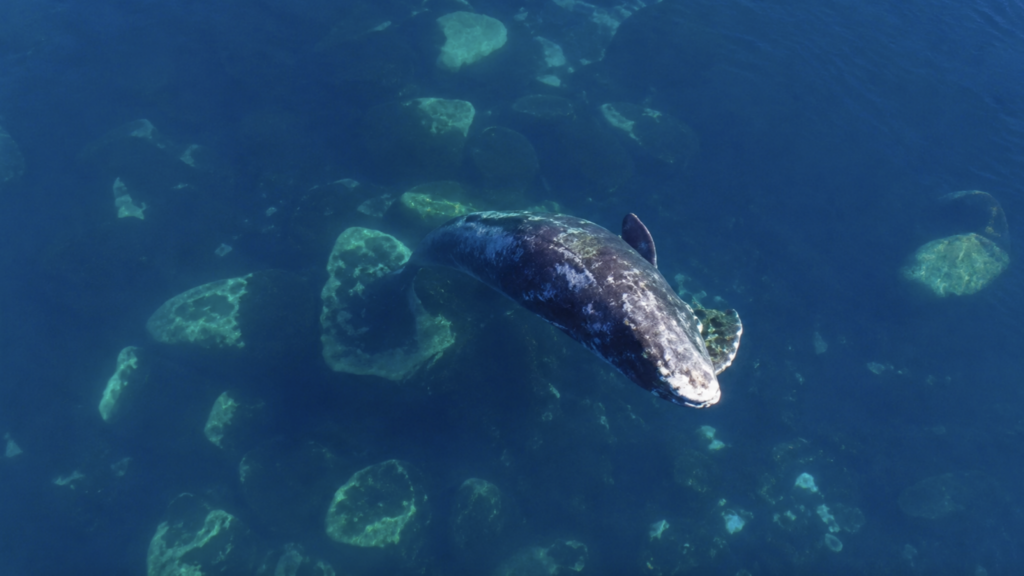
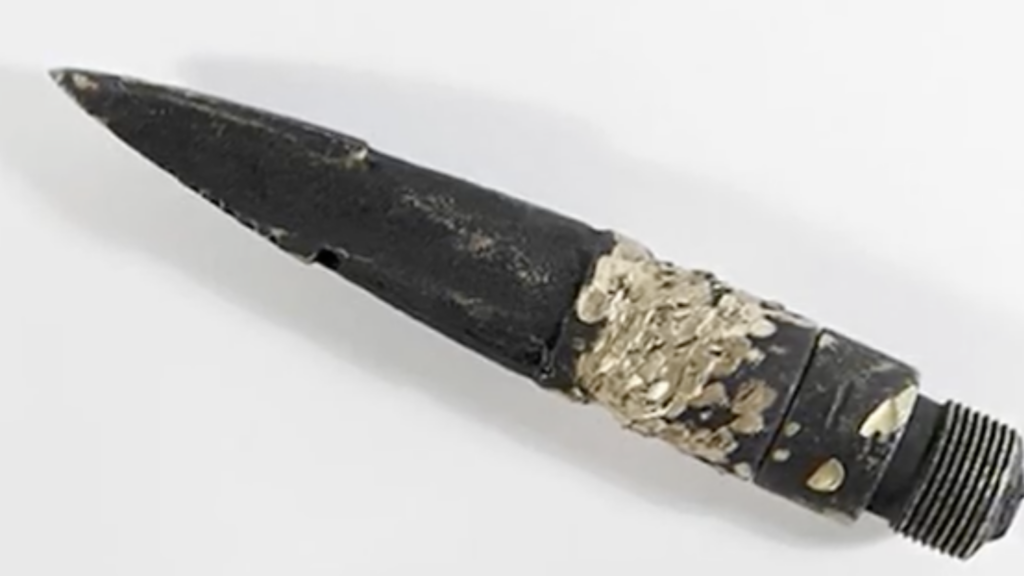
The discovery of just how old these whales can become began with an unexpected find. In 2007, Inuit hunters examining a harvested whale discovered an ancient stone harpoon tip lodged deep within its body.
After analysis, researchers traced the weapon back to the late 1800s, meaning the whale had survived an attack more than a hundred years earlier.
This single moment opened the door to deeper scientific investigation into the true lifespan of bowhead whales.
Later studies using eye lens proteins and genetic analysis revealed even more astonishing results. Scientists estimated that some bowhead whales can live beyond 200 years, with one individual reaching around 211 years of age. This placed them among the longest living mammals ever documented.
What makes the bowhead whale even more fascinating is how it resists aging. Unlike most mammals, it shows an unusual ability to avoid age related diseases such as cancer. Its cells appear to have highly efficient DNA repair systems, allowing tissues to remain healthy for far longer than expected in other species.
This remarkable biology has attracted strong interest from researchers studying human aging. By understanding how bowhead whales maintain cellular health for so long, scientists hope to uncover insights that could one day help slow aging processes or reduce the risk of age related diseases in humans.
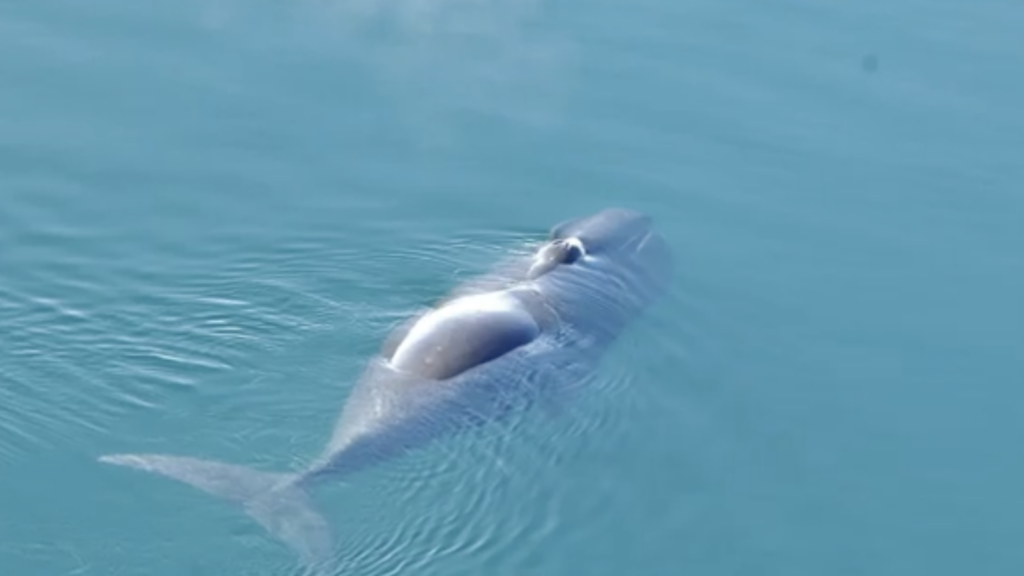
Even with their resilience, bowhead whales have not had an easy history. Intense commercial whaling in the 19th and early 20th centuries drastically reduced their numbers. While modern protections have allowed many populations to recover, they now face new challenges from climate change and the rapid transformation of Arctic ecosystems.
Today, the bowhead whale is more than just a biological marvel. It is a living link to centuries past, with some individuals possibly born before modern inventions like the telephone or electric light. Their existence offers a rare glimpse into extreme longevity in nature and continues to challenge what we know about aging.
As research continues, the bowhead whale remains one of the ocean’s greatest mysteries, a symbol of survival, adaptation, and the hidden secrets of long life.