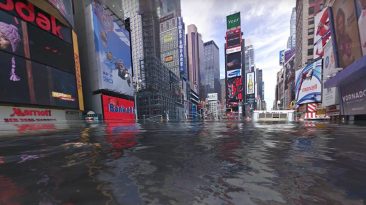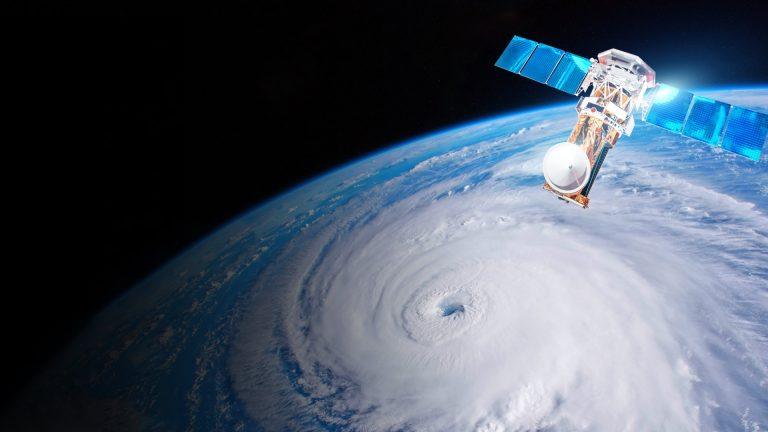
Every year, powerful hurricanes sweep across oceans and threaten millions of people. These massive storms can destroy cities, flood coastlines, and leave behind billions of dollars in damage. But what if humanity could finally find a way to control their strength before they become disasters?
Scientists are exploring new ideas that could change how we deal with hurricanes. From cooling the oceans to using thousands of wind turbines as storm barriers, these futuristic solutions could one day help reduce the power of some of the planet’s most dangerous storms.
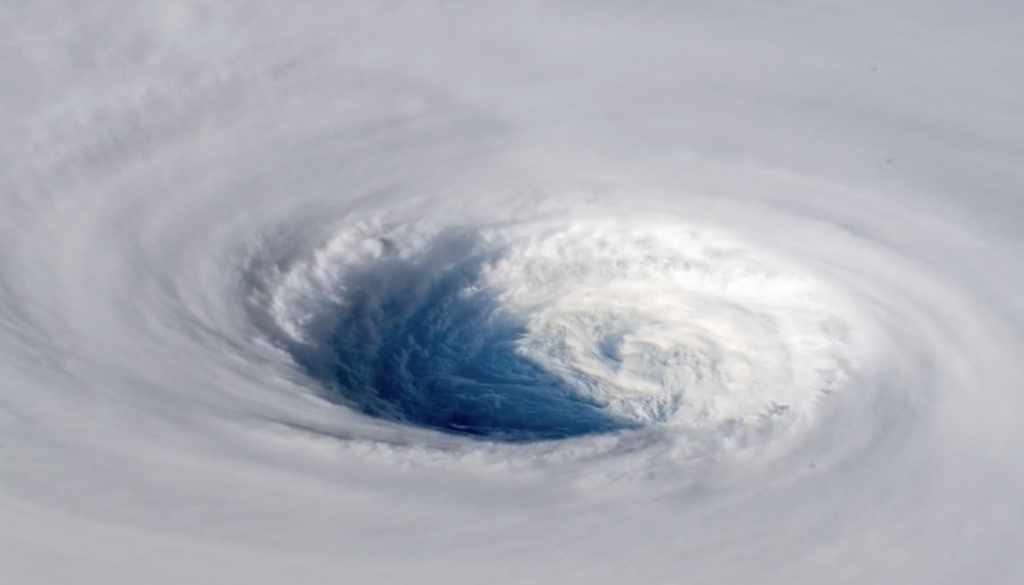
To understand how we could control hurricanes, we first need to understand what creates them. These storms require warm ocean water, usually at least 26.5°C (78°F), along with a weather disturbance such as a thunderstorm.
As a storm moves over warm seas, it pulls in hot, moist air from the ocean surface. The warm air rises, cooler air rushes in, and this constant movement creates the powerful winds that fuel hurricanes. The storm continues growing as long as it has access to warm water and evaporation.
Since warmer oceans create stronger hurricanes, scientists are investigating ways to cool the surface of the ocean and interrupt this cycle.
One idea involves spraying aerosols high into the atmosphere. These tiny particles could reflect some sunlight back into space, reducing the amount of heat absorbed by the oceans.
Computer models suggest this could weaken hurricanes in certain regions. However, the results are unpredictable. Changing temperatures in one part of the world could create unexpected consequences elsewhere, including stronger storms or increased droughts.
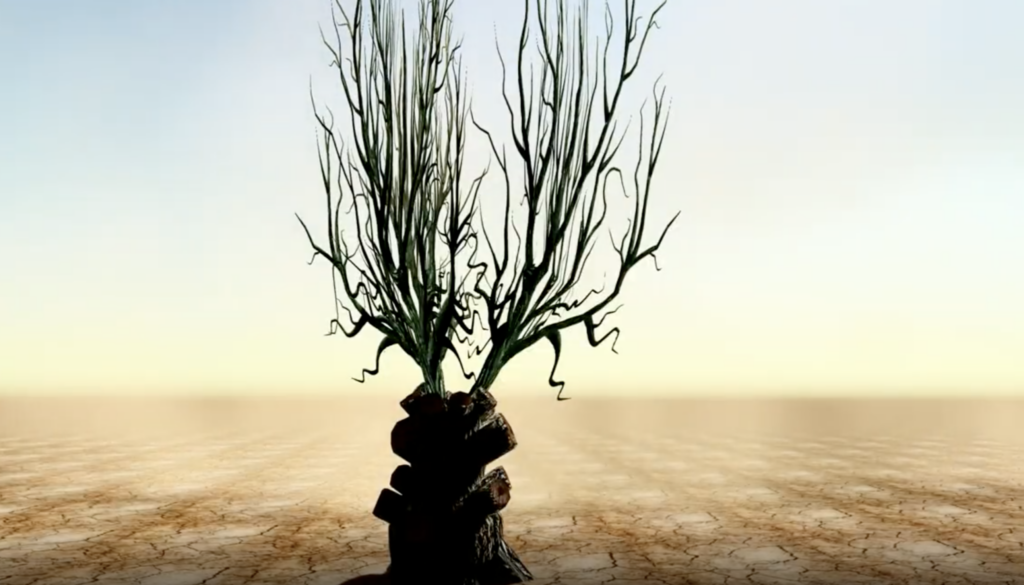
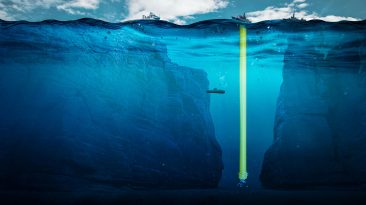
Another possible solution is the Salter Sink. These wave powered pumps would mix warm surface water with colder water from deeper parts of the ocean.
Imagine thousands of floating devices placed in areas where hurricanes usually form. As waves move the pumps, they would push warm water downward and bring cooler water toward the surface. Scientists estimate that hundreds of these devices could potentially weaken developing storms.
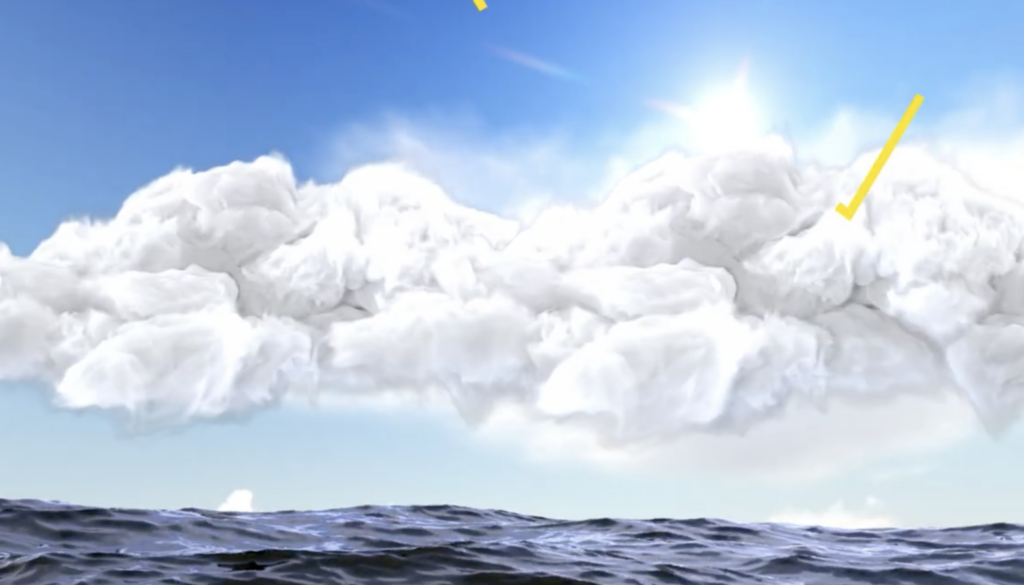
A third approach would use unmanned ships to spray tiny droplets of seawater into the atmosphere. These droplets could create brighter clouds above the ocean, reflecting sunlight away and reducing surface temperatures.
However, controlling the weather is far from simple. Geoengineering could have unexpected side effects, and scientists still do not know whether these methods could safely be used on a large scale.
Instead of trying to weaken hurricanes directly, another idea is to reduce their impact. Massive offshore wind farms could act as barriers, slowing down hurricane winds before they reach the coast.
One study found that if a large wind farm had existed near New Orleans during Hurricane Katrina, wind speeds could have been significantly reduced and storm surge lowered. The problem is that stopping a hurricane of Katrina’s size would require tens of thousands of turbines.
Humanity may still be years away from controlling hurricanes, but scientists are getting closer to understanding how these storms work. The future could bring new technologies that help protect coastal communities from some of nature’s most powerful forces.