The peaceful sound of water flowing through a frozen landscape may seem harmless. But in the Arctic, that sound can represent something much more serious. It is a sign that ancient frozen ground, locked away for thousands of years, is beginning to disappear.
What happens if the Arctic permafrost completely melts? How much carbon is trapped beneath the frozen surface? And could the effects eventually reach everyday life around the world?
For years, scientists have warned that rising global temperatures could transform the Arctic. Now, those changes are becoming visible as frozen landscapes begin to thaw at an increasing rate.
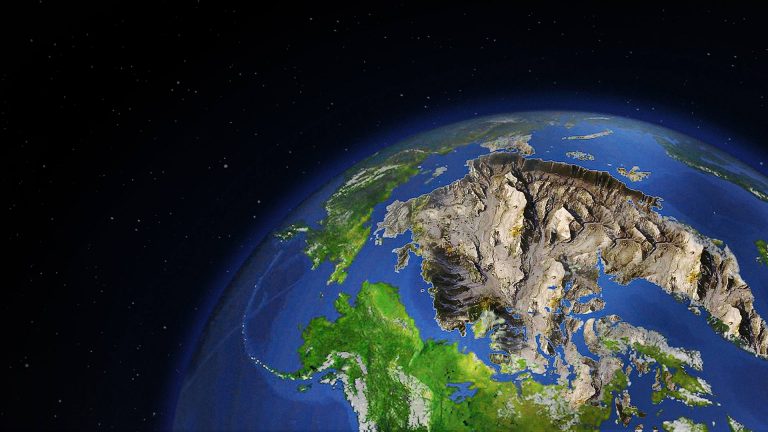
Permafrost is a layer of soil that has remained frozen for thousands of years. It covers a huge area of the Northern Hemisphere, stretching across parts of Siberia, Alaska, Canada, and other Arctic regions. Beneath this frozen ground are layers of ancient plants, animals, and organic material that never fully decomposed because the cold temperatures preserved them.
This frozen soil acts like a giant natural storage system, holding enormous amounts of carbon. But as temperatures rise, that storage system is starting to break down.
When permafrost melts, the organic material trapped inside begins to decay. During this process, it releases greenhouse gases such as carbon dioxide and methane into the atmosphere. These gases trap heat and can increase global warming, creating a cycle that causes even more melting.
The Arctic environment begins to change dramatically once the frozen ground loses its strength. Ice inside the soil melts, causing the land to become unstable. Water flows into weakened areas, carrying heat deeper underground and speeding up the thawing process.
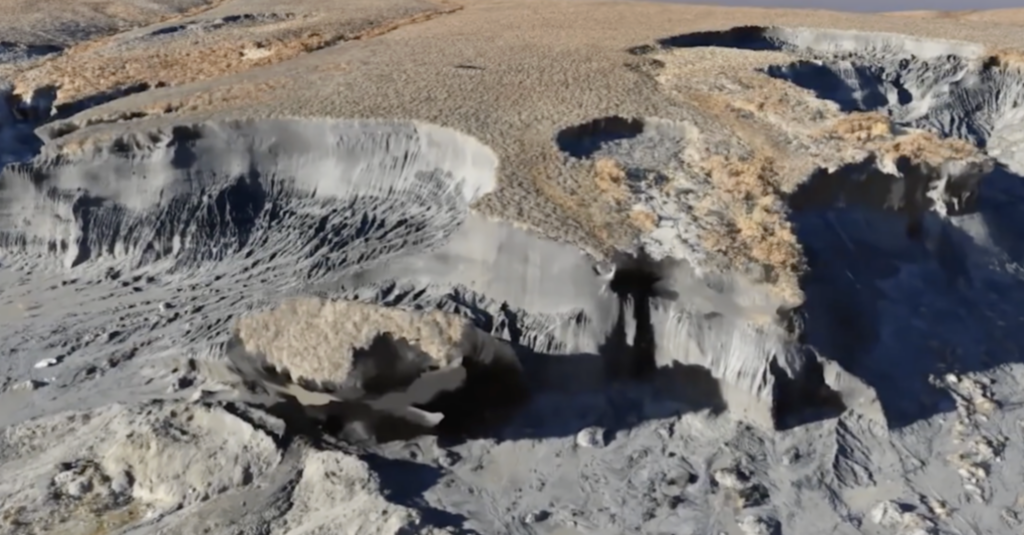
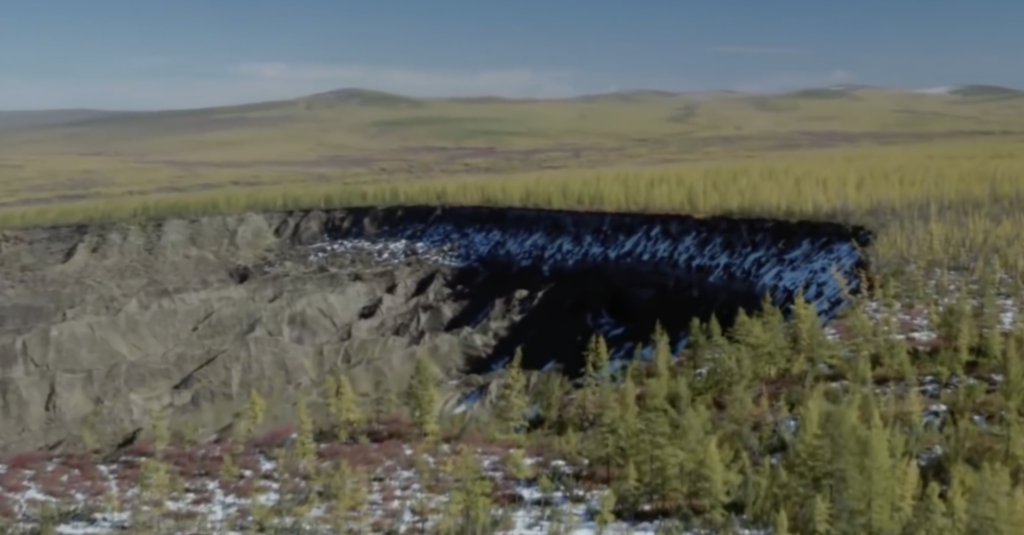
Eventually, parts of the surface can collapse, creating enormous depressions called thaw slumps. These areas can grow larger over time as melting continues. Water from rainfall and melting ice often collects inside these collapsed areas, forming new lakes across the landscape.
If these changes continue across large parts of the Arctic, the effects could be devastating. Roads, buildings, and entire communities built on frozen ground could face serious damage as the land beneath them shifts and sinks.
Scientists estimate that Arctic permafrost contains roughly 1,500 billion tons of carbon. That amount is several times greater than the carbon stored in the world’s forests. If a significant portion of this carbon is released, it could make controlling future climate change much more difficult.
One of the biggest concerns is a process known as a climate feedback loop. Snow and ice normally reflect sunlight back into space. But when they disappear, darker soil and water are exposed. These surfaces absorb more heat, which causes temperatures to rise further and accelerates additional melting.
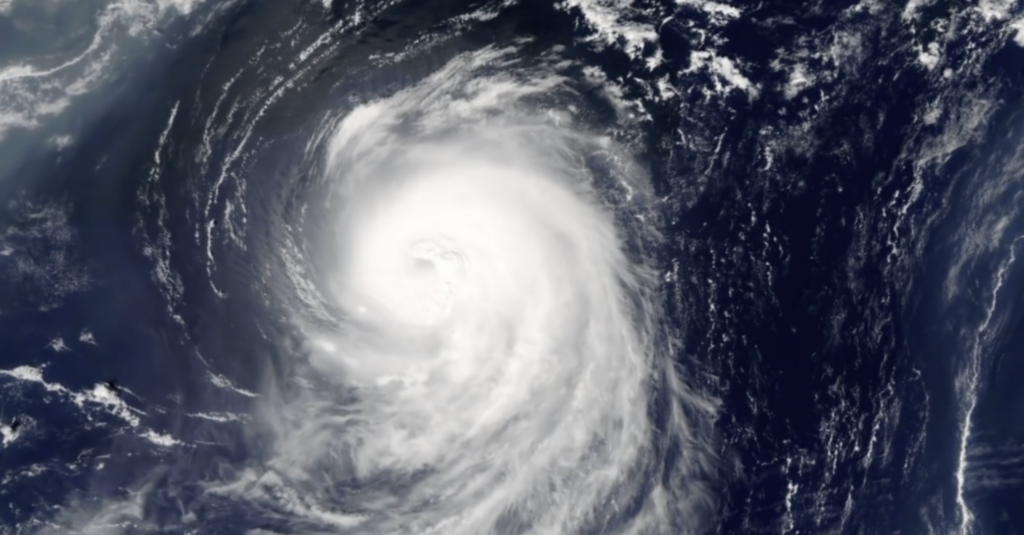
The consequences would not be limited to the Arctic. A warmer planet could experience more extreme weather events, including longer droughts, heavier storms, and unpredictable changes in rainfall patterns.
The melting ground may also release substances that have remained trapped for thousands of years. One example is mercury, a toxic element that can move into rivers and oceans as frozen soils break apart. Once it enters ecosystems, it can build up in fish and other animals, creating risks for communities that depend on seafood.
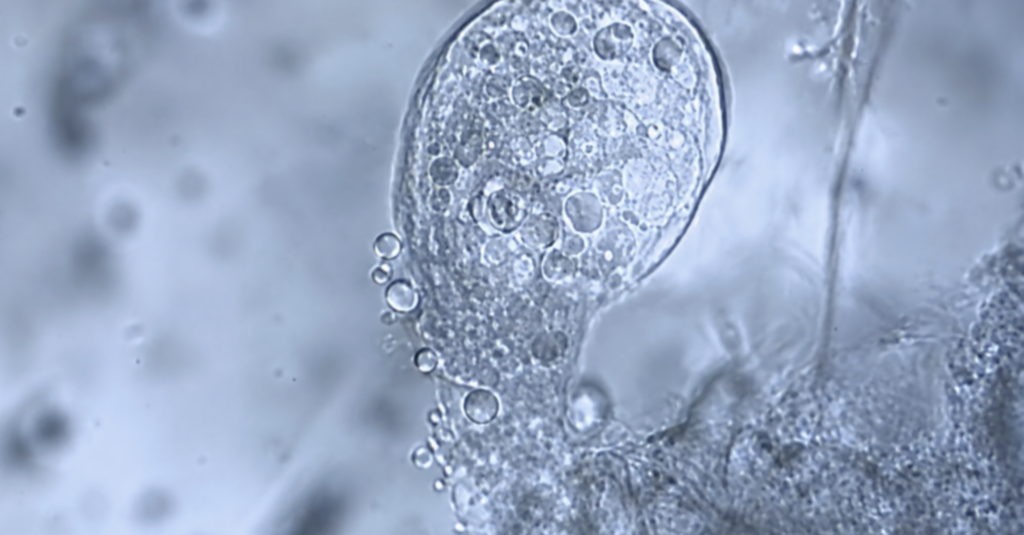
Another concern is the preservation of ancient microorganisms. Permafrost can protect biological material for extremely long periods, and scientists have discovered microbes preserved inside frozen environments. As the ice disappears, researchers continue studying whether some previously trapped organisms could become active again.
However, the Arctic will not collapse overnight. These changes develop over years and decades, but many signs of transformation are already visible today.
One of the most dramatic examples is the Batagay crater in Siberia, a massive ground collapse that continues expanding as the surrounding permafrost melts. Often called the “gateway to the underworld,” this enormous formation shows how quickly frozen landscapes can change when temperatures rise.
The Arctic is warming faster than many other parts of the planet, making these events increasingly common. As more frozen ground disappears, scientists expect more areas to experience similar transformations.
Preventing the worst outcomes will depend on slowing global warming. Reducing greenhouse gas emissions, protecting natural ecosystems, and developing new ways to remove carbon from the atmosphere could help limit future damage.
The Arctic has acted as a frozen vault storing carbon for thousands of years. But that vault is now opening. The choices made today will determine whether the frozen north remains a stable part of the planet or becomes a powerful reminder of how quickly Earth’s systems can change.