Watch your step. One little stumble could send you face first into a pit filled with hundreds of angry rattlesnakes. But how would they know you were there? What would happen to your body if dozens of them started biting you? And why wouldn’t sucking the venom out save your life?
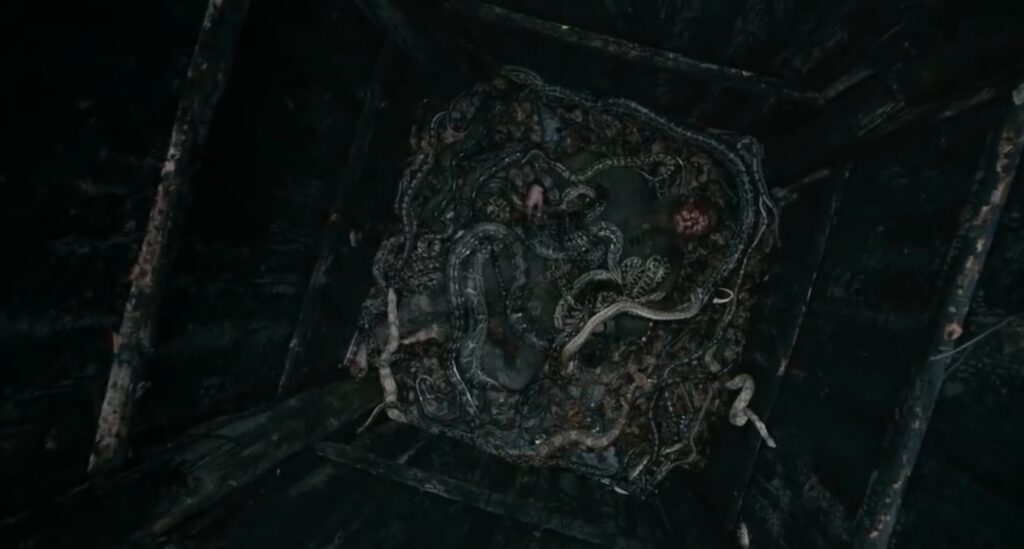
Rattlesnakes live across forests, grasslands, and deserts in the Americas. They are recognizable by their triangular heads and distinctive rattles. Encountering even one in the wild can be terrifying, but these snakes sometimes gather in enormous groups called hibernacula, where they shelter together to stay warm and protect themselves from predators.
Depending on the location, you could find anywhere between eight and 300 rattlesnakes inside one of these dens. Winter is particularly dangerous because hundreds of snakes may gather in the same underground shelter.
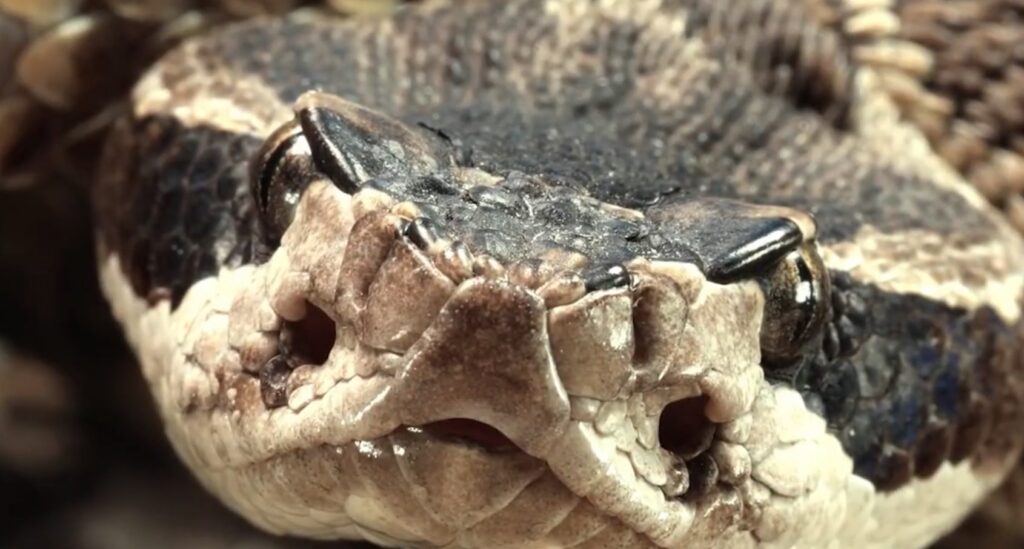
If you landed directly on top of them, the snakes could begin attacking within seconds. However, even if you managed to fall without immediately disturbing them, you wouldn’t be safe. With their only exit blocked, the rattlesnakes would consider you a serious threat and start rattling and hissing to scare you away.
But how would they find you in the darkness?
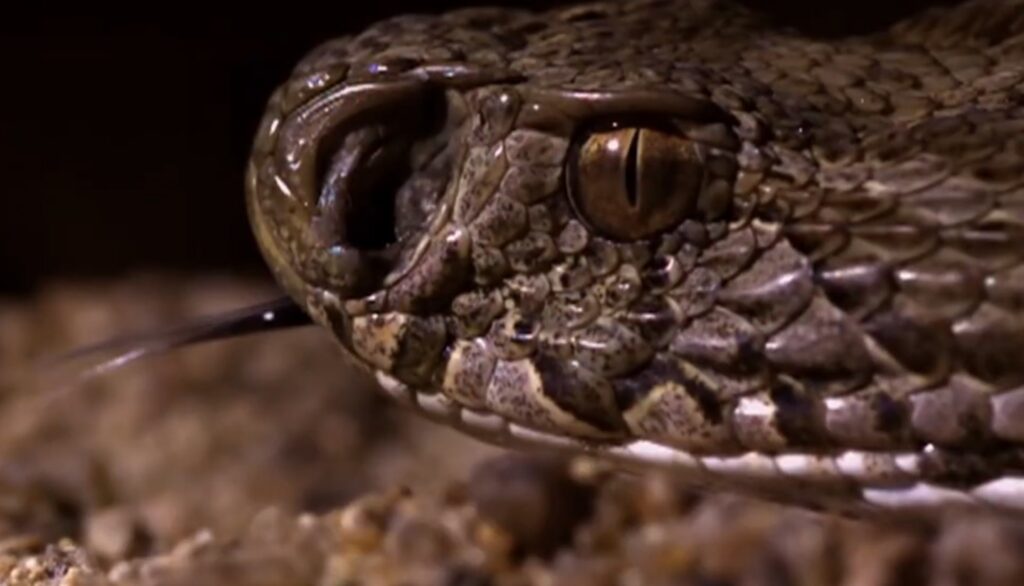
During the day, rattlesnakes use their tongues to collect airborne chemical particles. They then transfer these particles to an organ near the roof of their mouths called Jacobson’s organ, which helps them identify the direction from which different scents are coming.
At night, they have another advantage. Between their eyes and nostrils are special heat-sensing pits that detect infrared radiation. These organs allow rattlesnakes to locate warm-blooded animals, even in complete darkness. Your body heat would make you an easy target.
Sooner or later, one snake would strike, sinking its fangs into your skin and injecting venom. Even a single rattlesnake bite can be life-threatening. The danger would increase dramatically if several snakes attacked you within a short period.
Rattlesnake venom contains a complex mixture of proteins, enzymes, and other compounds that can damage tissues and interfere with normal bodily functions. One of the first symptoms would be swelling, intense pain, and bruising around the bite wounds.
As the venom spread, you could experience nausea, vomiting, and an elevated heart rate. More serious complications could follow, including severe pain, breathing difficulties caused by swelling, and changes in your mental state.
The situation could become even worse as the venom interferes with blood clotting. Internal bleeding and extensive tissue damage could develop, while your muscles might become weak and begin breaking down. With multiple bites, the amount of venom entering your body could overwhelm your system.
Even escaping the pit would become increasingly difficult. Your legs might struggle to support your weight, and every movement could become more painful. Somehow, you would need to find enough strength to climb out and get emergency medical assistance.
Your best chance of survival would be receiving antivenom as quickly as possible. This treatment helps neutralize venom and prevent further damage. However, the amount required would depend on the severity of the bites and how much venom entered your body.
A young girl in California who survived bites from one adult and six baby rattlesnakes required four doses of antivenom. After hundreds of potential bites, the amount of treatment you might need could be enormous.
And whatever you do, don’t try to suck the venom out of your wounds or apply a tourniquet. These methods won’t remove the venom and could make your injuries worse by restricting blood flow.
The best thing you could do is stay as calm as possible, avoid touching the wounds, and seek emergency medical attention immediately. If you ever find yourself near a rattlesnake den, remember that keeping your distance is much safer than testing how many bites you can survive.