Swipe Down for Full Video Story
For more than 66 million years, Earth has been living through a remarkable chapter of history known as the Cenozoic Era. This enormous stretch of time transformed the planet after the extinction of the dinosaurs and eventually led to the rise of humans. Mountains rose, climates shifted dramatically, and strange creatures evolved across land and sea.
The world we know today was largely shaped during this era. From giant mammals roaming frozen plains to the appearance of early human ancestors, the Cenozoic remains one of the most important periods in Earth’s story.
Here are six fascinating reasons why this era changed life forever.
1. Mammals Took Control of the Planet
The Cenozoic Era began immediately after the asteroid impact that ended the reign of the dinosaurs around 66 million years ago. With many dominant reptile species gone, ecosystems around the world suddenly had empty spaces waiting to be filled.
Mammals quickly expanded into these roles. Before the extinction event, most mammals were small creatures that survived in the shadows of giant dinosaurs. But once those predators disappeared, mammals began evolving into countless new forms.
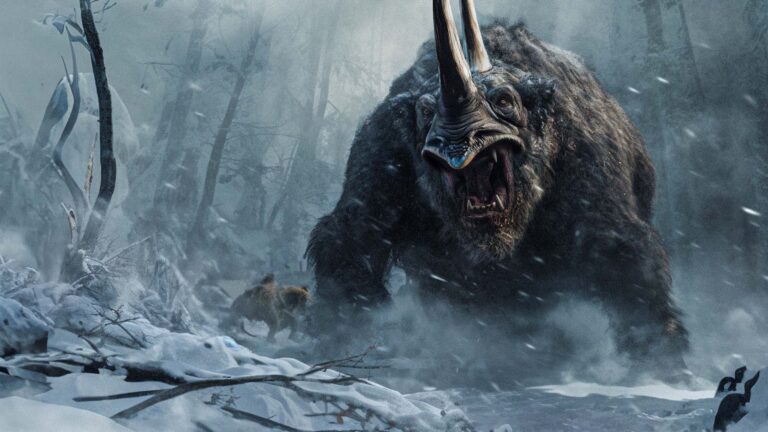
Some adapted to forests, others to oceans, and many became enormous land animals. Over millions of years, creatures like mammoths, giant rhinos, saber toothed predators, and huge ground sloths spread across the continents. Birds also diversified rapidly, while flowering plants transformed landscapes around the globe.
The Cenozoic became an age of experimentation in evolution, where entirely new ecosystems emerged.
2. Some of the Largest Mammals in History Appeared
The animals of the Cenozoic were often gigantic. Many species reached sizes rarely seen among modern mammals.
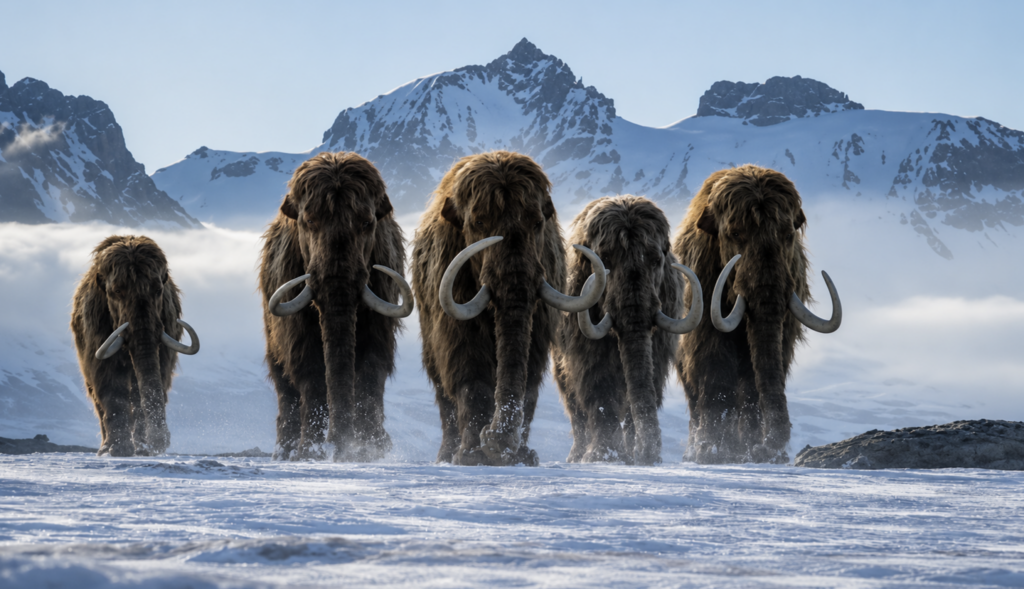
On icy grasslands, woolly mammoths towered over humans and weighed several tons. In South America, giant ground sloths grew larger than modern elephants. Australia was home to enormous marsupials, including the massive diprotodon, a creature that looked like a supersized wombat.
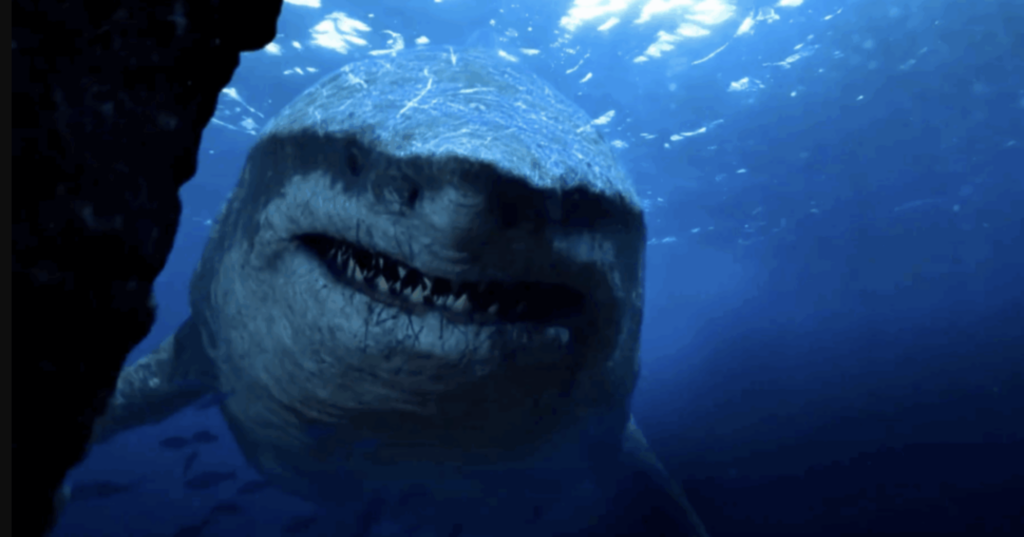
Meanwhile, the oceans contained terrifying predators. The most famous was Megalodon, a prehistoric shark believed to have reached lengths of nearly 20 meters. Its jaws were powerful enough to crush whales with ease.
Scientists believe several factors allowed these animals to grow so large. Rich food supplies, changing climates, and reduced competition in certain regions may all have contributed to the rise of giant species during this era.
3. Early Humans Finally Appeared
One of the most important developments of the Cenozoic was the evolution of humans.
Over time, primates became increasingly intelligent and adaptable. Eventually, some groups evolved traits that separated them from other apes. These early hominins began walking upright, using tools, and cooperating in larger social groups.
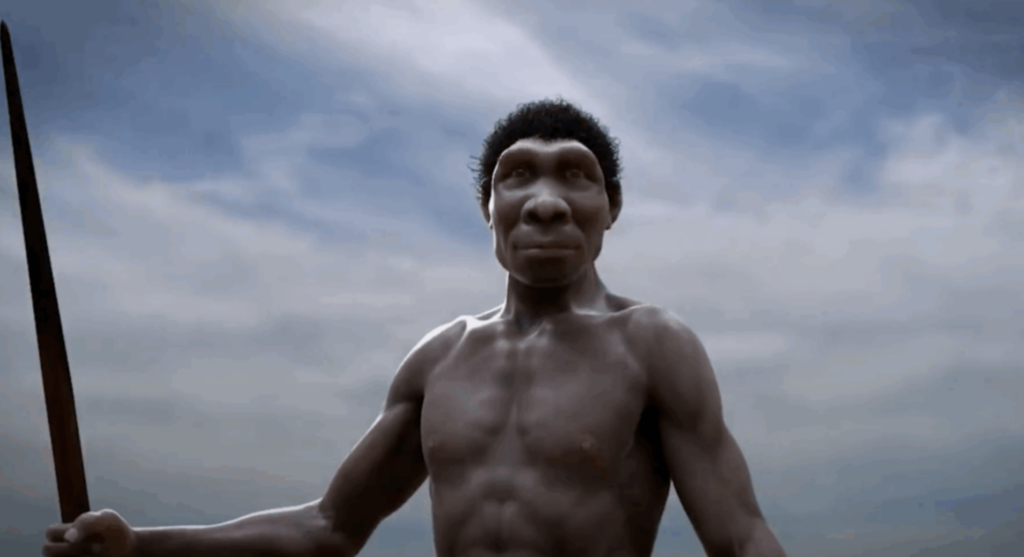 As millions of years passed, different human relatives appeared across Africa, Europe, and Asia. Species like Neanderthals survived harsh climates and developed advanced hunting skills. Other groups discovered how to control fire and create primitive weapons.
In the end, only one human species remained: Homo sapiens.
Humanity’s rise during the later stages of the Cenozoic completely changed the future of Earth.
4. Earth’s Climate Changed Repeatedly
The Cenozoic was not a stable era. Earth experienced dramatic environmental shifts that reshaped entire ecosystems.
Early in the era, global temperatures were far warmer than today. Dense forests covered regions that are now cold and dry. But over millions of years, the planet slowly cooled.
Huge tectonic movements altered ocean currents and atmospheric circulation. Mountain ranges such as the Himalayas began forming as continental plates collided. These geological changes helped trigger cooler climates and eventually contributed to massive ice ages.
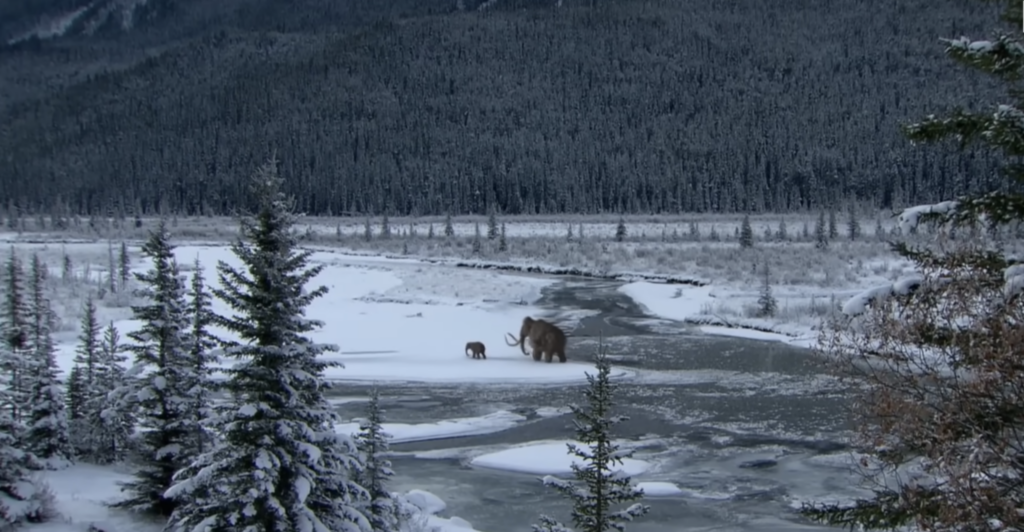
During the most recent period of the Cenozoic, giant glaciers repeatedly advanced and retreated across large parts of the planet. These ice ages influenced animal migration, sea levels, and even the movement of early humans.
Without these climate shifts, human civilization may never have developed the way it did.
5. Survival Would Have Been Extremely Dangerous
Although the Cenozoic was more familiar than the dinosaur dominated eras before it, surviving there would still have been incredibly difficult.
Massive predators hunted across forests and plains. Saber toothed cats, giant bears, and enormous reptiles posed constant threats. Sudden climate changes could wipe out food supplies or force animals to migrate across vast distances.
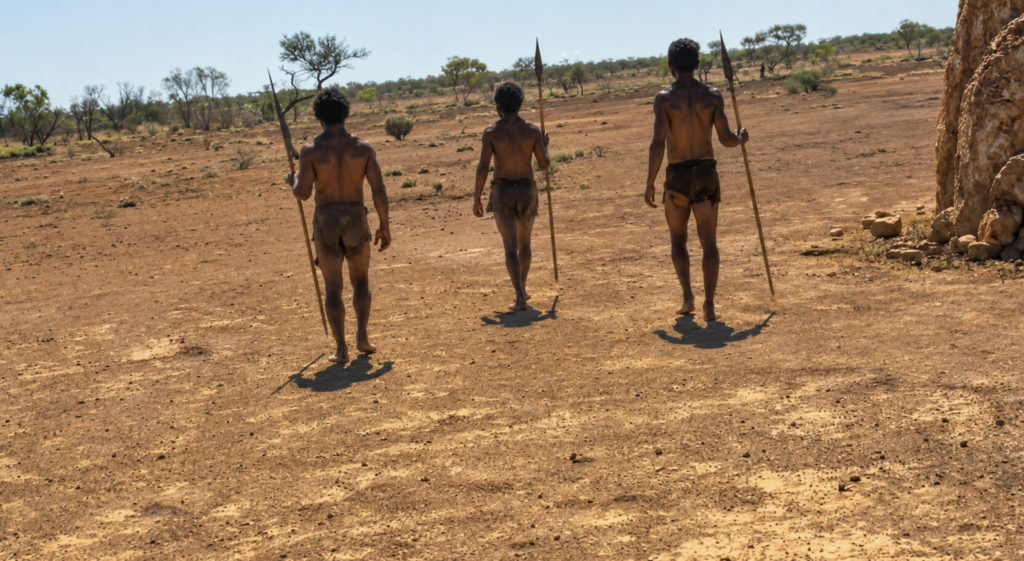
Humans living during the later part of the era faced brutal conditions. Early tribes depended on cooperation to survive freezing temperatures, dangerous predators, and harsh environments. Fire, tools, and communication became essential for survival.
A lone person transported into the ancient Cenozoic would struggle to stay alive for long. Finding shelter, locating clean water, and avoiding predators would become a daily battle.
6. The Cenozoic Has Never Actually Ended
One surprising fact about the Cenozoic Era is that it is still happening today.
Modern humanity lives in the latest stage of this ongoing era, known as the Quaternary Period. We are technically still part of the same geological age that began after the extinction of the dinosaurs millions of years ago.

However, some scientists argue that human activity has become so powerful that Earth may be entering an entirely new phase. They use the term Anthropocene to describe a possible future era dominated by human influence.
Deforestation, pollution, climate change, and mass extinctions caused by civilization are reshaping the planet faster than many natural processes.
Eventually, every geological era comes to an end. In Earth’s history, these transitions are often marked by catastrophic events or major environmental change. Whether humanity continues shaping the Cenozoic or triggers the beginning of something entirely new remains one of the biggest questions about our planet’s future.