
These silent predators can be found in nearly every corner of the planet, from dense forests and open fields to underground burrows and even the darkest spaces near human settlements. But imagine a world where every single snake suddenly disappears. What would it take to remove them completely? And what kind of consequences would follow such an action?
At first glance, it might seem like a straightforward goal. However, snakes are far more complex and adaptable than they appear.
Many species are highly efficient hunters. Even without external ears, they can detect vibrations through the ground and sense movement with incredible precision.
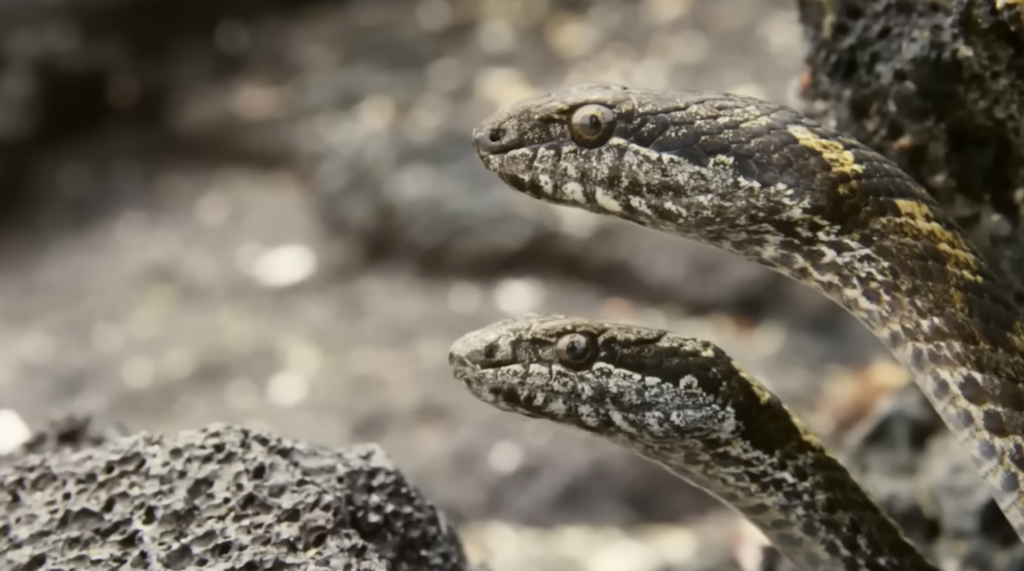
Their vision may be limited in color perception, but some species can detect heat signatures, allowing them to locate warm blooded prey even in total darkness.
Their forked tongues constantly sample the air, picking up chemical signals that reveal the presence of nearby animals. Combined with powerful jaws capable of swallowing prey larger than their own head, snakes are perfectly engineered survival machines.
Now imagine trying to eliminate all 3,400 known species of snakes across the globe.
According to global health data, snake bites are responsible for over 100,000 human deaths every year. Removing snakes entirely would require tracking them across deserts, forests, mountains, wetlands, and even human infrastructure such as farms and drainage systems.

Because snakes are cold blooded, one theoretical approach might be to disrupt their ability to regulate temperature. But nature has already shown how adaptable they can be.
For example, Burmese pythons have survived in regions like Florida despite unexpected cold snaps, continuing to reproduce and spread even in challenging conditions. This shows that simple environmental changes would not be enough to eliminate them entirely.
Other more aggressive ideas, such as biological control using fungal infections like Snake Fungal Disease, already exist in nature. This disease can damage skin, spread between individuals, and in some cases lead to death. However, attempting to use or expand such methods on a global scale would raise serious ethical and ecological concerns.
Now consider what happens if the mission actually succeeded.
At first, it might seem like a victory. Fewer venomous encounters. Fewer snake bite deaths. Less fear in rural and wild regions.
But ecosystems are deeply interconnected.
Without snakes, populations of rodents, insects, frogs, and other small animals would rapidly increase. At first, this might appear harmless, even beneficial for some species. But soon, competition for food and habitat would intensify, leading to instability across entire ecosystems.

For agriculture, the impact would be immediate. Rodent populations would surge, damaging crops on a massive scale. Farmers would rely more heavily on pesticides, increasing costs and environmental contamination. Food production would become more expensive, eventually affecting global prices.
The consequences would not stop there.
Rodents are also major carriers of disease. Without natural predators like snakes to control their numbers, outbreaks of zoonotic diseases could become far more common. Historically, rodent population spikes have been linked to severe epidemics, including fears of returning ancient diseases under the right conditions.
The ripple effect would also reach other predators. Birds of prey such as owls and eagles, as well as mammals like mongooses and wild boars, depend on snakes as part of their diet. Removing snakes would disrupt their food chains, leading to population declines and possible local extinctions.
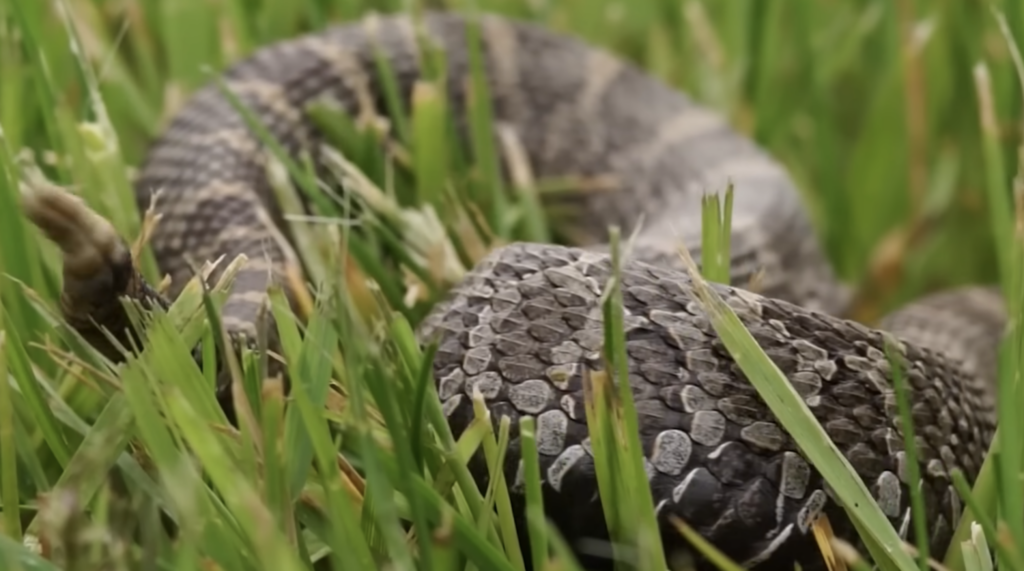
Even humans would not be untouched by the loss.
Snake venom has contributed to important medical research, including treatments for conditions such as heart disease, blood pressure disorders, diabetes, and even cancer research. Eliminating snakes would also mean losing access to these biological compounds that scientists continue to study.
In the end, removing snakes from the planet would not create a safer world. It would create an unstable one.
Like all species in nature, snakes play a critical role in maintaining ecological balance. Their presence helps regulate populations, support biodiversity, and keep ecosystems functioning as they should.
The real conclusion is simple. Even the most feared creatures on Earth are part of a system that depends on them.