For thousands of years, woolly mammoths existed only in fossils, frozen remains, and cave paintings. But now, scientists are closer than ever to bringing these Ice Age giants back. If mammoths walked the Earth again, what would be different?
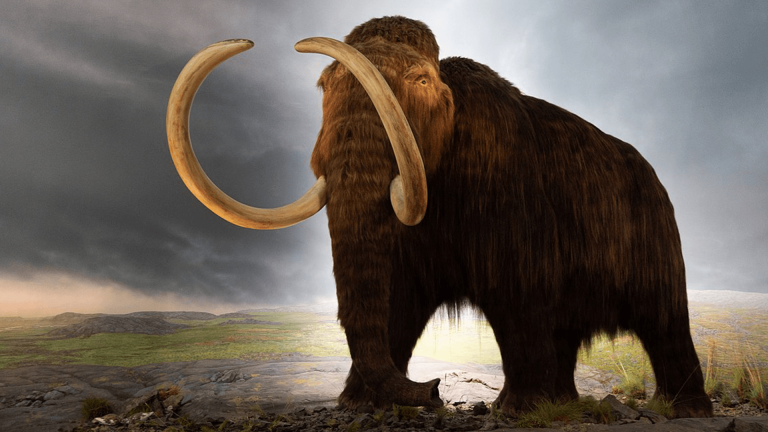
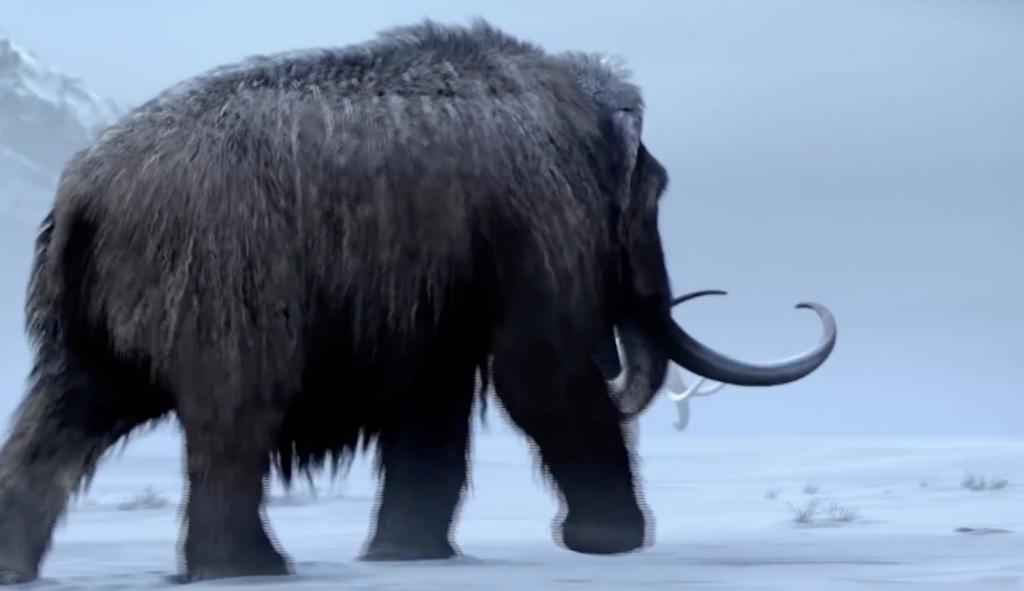
Woolly mammoths were close relatives of today’s Asian elephants. They weighed about 5.4 metric tons and stood between 3 and 4 m (11 to 13 ft) tall, making them similar in size to African elephants. They disappeared only about 10,000 years ago, leaving behind fossils across North America, Europe, Asia, and Africa.
One of their greatest advantages was their incredible ability to survive freezing temperatures.
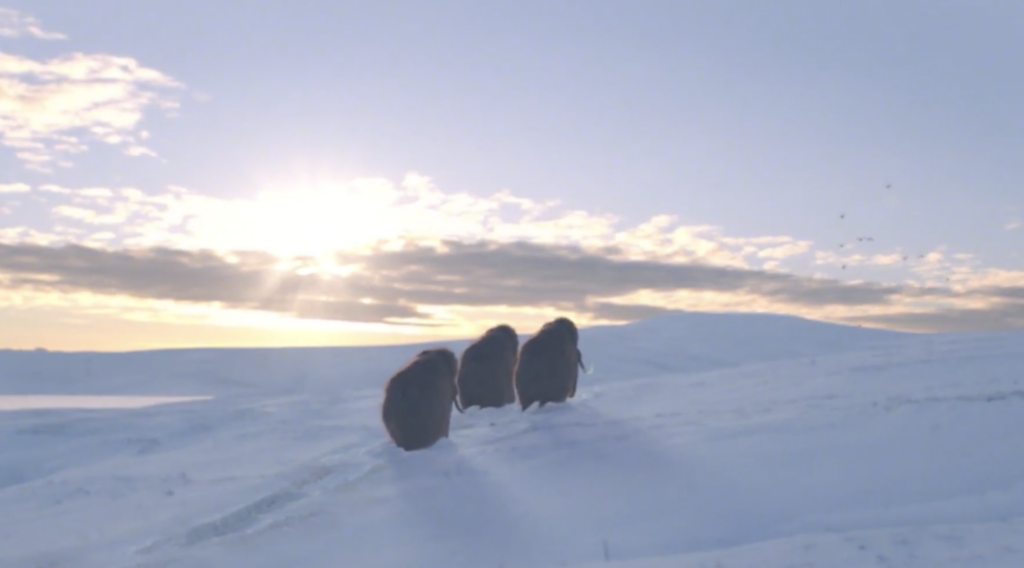
Unlike humans, mammoths had a specialized blood circulation system that helped keep their legs warm while conserving body heat. Their blood also carried oxygen efficiently in extreme cold, almost like natural antifreeze. Combined with fur that could grow nearly 1 m (3 ft) long, they were perfectly built for Arctic life.
Scientists still debate exactly why mammoths vanished. Climate change transformed the Arctic landscape while human hunting placed additional pressure on already shrinking populations. Most researchers believe both factors played a role.
If mammoths returned today, the Arctic would quickly begin to change.
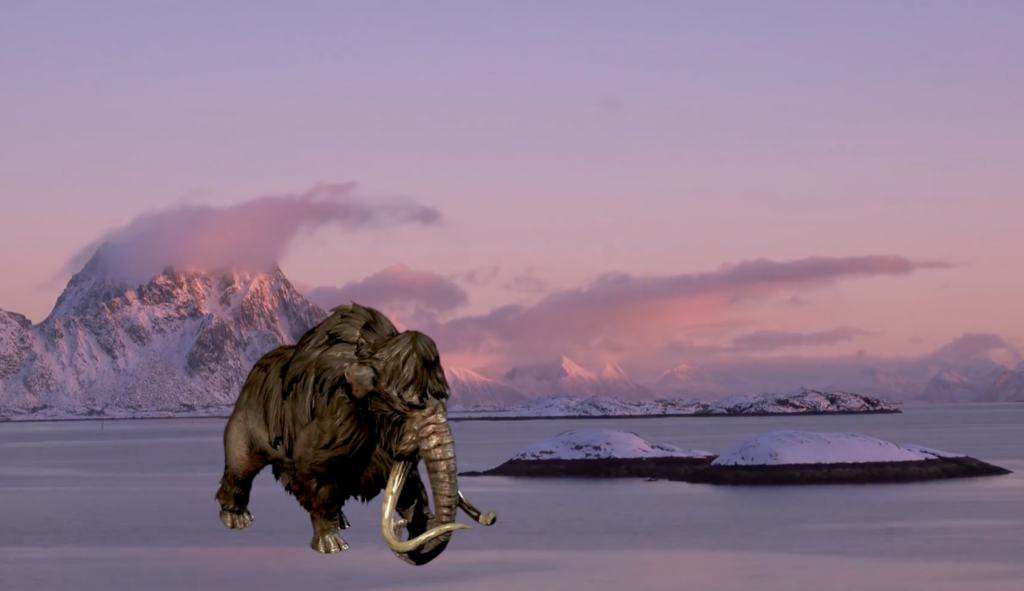
A single mammoth could consume around 225 kg (500 lb) of plants every day, pushing aside snow with tusks up to 1.5 m (5 ft) long to reach grasses beneath the frozen ground. Their constant grazing would reduce shrubs while encouraging open grasslands. Heavy animals walking across the soil would also compact the ground, helping the permafrost stay frozen longer and slowing the release of greenhouse gases.
But these modern mammoths would not look exactly like their ancient ancestors. As the climate continues warming, they would likely evolve smaller bodies that require less food and thinner coats better suited to milder temperatures.
They would also face a serious threat from the ivory trade. Mammoth tusks preserved in Siberian permafrost are already valuable, and living mammoths would need strong legal protection to survive. Recovery would be slow because females do not mature until around age 15 and carry a single calf for about 22 months.
Although no true woolly mammoth has been successfully revived yet, scientists continue working on de-extinction projects using advanced genetics. If they succeed, mammoths could once again reshape Arctic ecosystems. Whether that change would ultimately help or harm the environment remains one of science’s biggest unanswered questions.