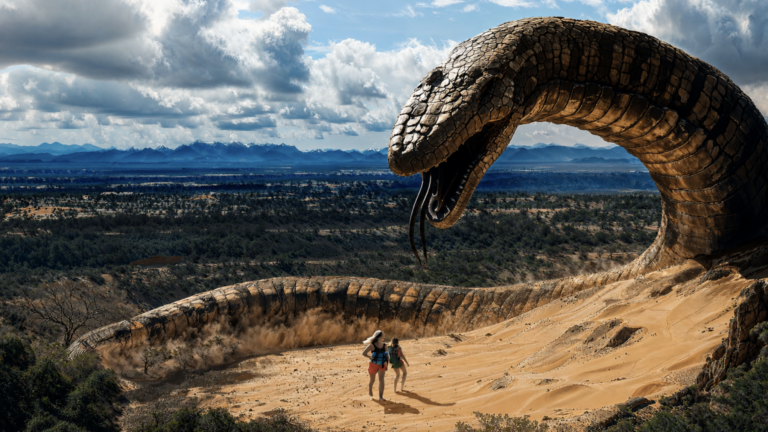
More than 55 million years ago, a giant predator ruled the swamps of ancient South America. Titanoboa was the largest snake ever discovered, reaching lengths of around 15 meters (50 feet) and weighing more than 1,000 kilograms (2,300 pounds). This massive reptile was powerful enough to overpower crocodiles and dominate the warm tropical environments where it lived.
But what if Titanoboa never disappeared? What if the largest snake in Earth’s history returned today and began moving through our rivers, forests and coastlines? A predator bigger than a school bus would completely change modern ecosystems and create a threat unlike anything humans have ever experienced.
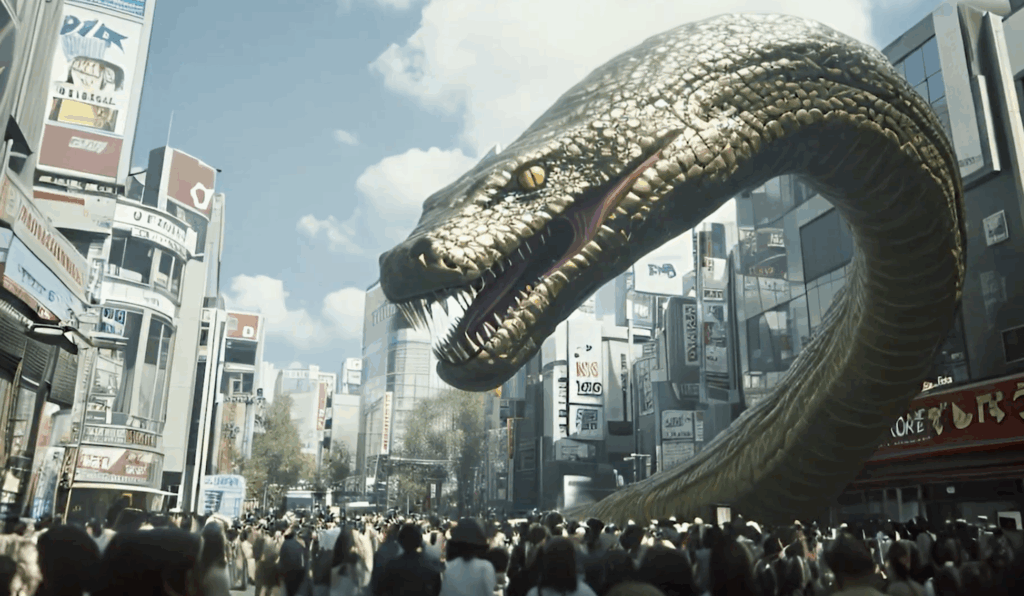
Titanoboa was built for one purpose: hunting. Instead of chasing prey, it relied on stealth and patience, hiding in muddy waters before launching a surprise attack. Its enormous body could wrap around animals and squeeze with incredible force before swallowing its victim whole. In today’s world, a snake with this size and strength would instantly become one of the most feared predators on Earth.
The ancient giant lived during a period when Earth was much warmer than it is today. Tropical forests covered large areas of the planet, creating the perfect environment for cold blooded reptiles to grow to enormous sizes. A warmer climate provided more energy for animals like Titanoboa, allowing them to become much larger than modern snakes.
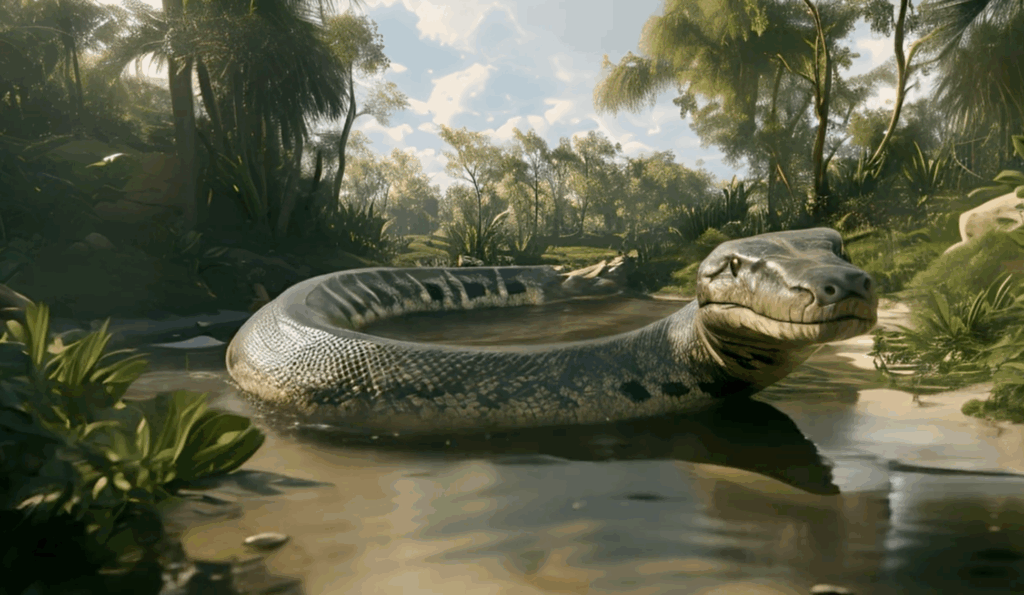
If Titanoboa had survived millions of years of climate change, it would have needed to adapt to new conditions. As temperatures changed, the snake may have developed different hunting strategies, moved into new environments or evolved ways to better control its body temperature. This could have allowed it to survive in places where modern reptiles cannot.
A future Titanoboa could have become an even more advanced predator. Some animals have evolved special abilities to maintain body heat, and a surviving Titanoboa might have developed similar traits. This could have allowed it to hunt in colder regions, deeper waters and a wider range of habitats around the world.
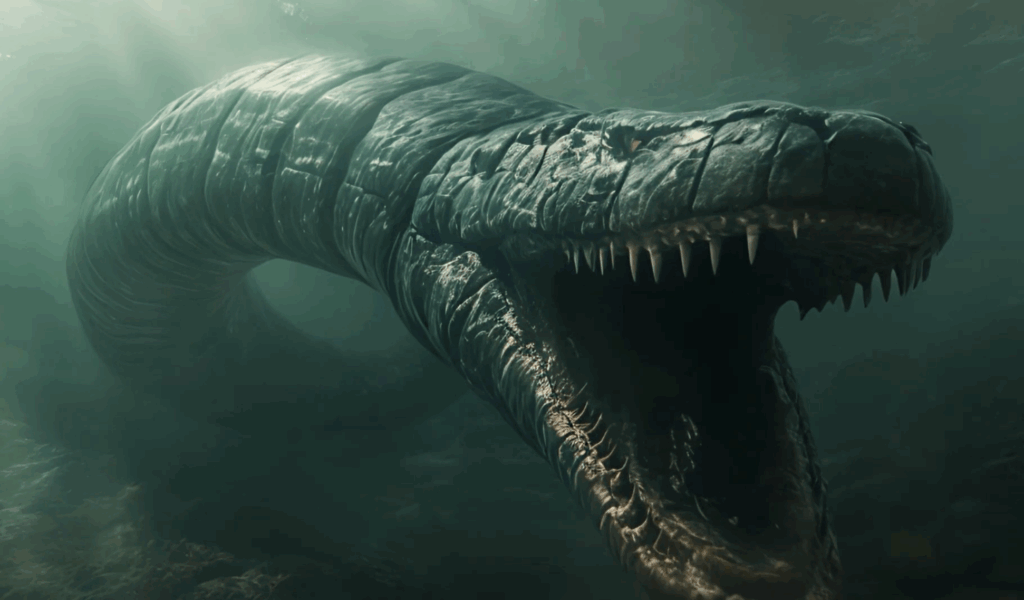
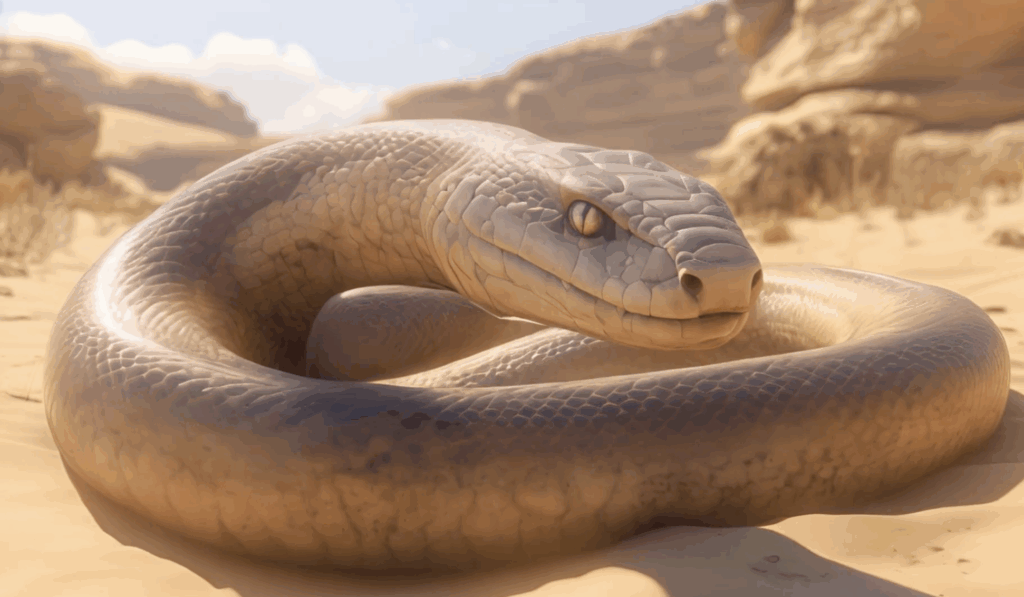
Over millions of years, different Titanoboa populations could have evolved into separate forms. Some might have adapted to life in the ocean, becoming powerful swimmers capable of traveling across huge distances. Others could have evolved camouflage and survival skills for dry environments, hiding underground and attacking prey from below.
These giant snakes would have changed human history. Ancient people might have created legends about enormous serpents after encountering them, inspiring stories of dragons and sea monsters. Sailors could have avoided dangerous waters, while communities near rivers and forests would have lived with the constant fear of encountering a prehistoric predator.
However, even the largest animal depends on a stable environment. Habitat destruction, climate changes and declining prey populations could threaten Titanoboa just like many modern species. A giant snake may appear unstoppable, but nature has shown that even the strongest creatures can disappear when their ecosystems collapse.
If food became limited, Titanoboa could be forced closer to human settlements. Expanding cities, damaged habitats and changing landscapes could increase encounters between humans and this enormous predator. A snake longer than two buses and powerful enough to overpower large animals would create a danger unlike anything humanity has faced before.
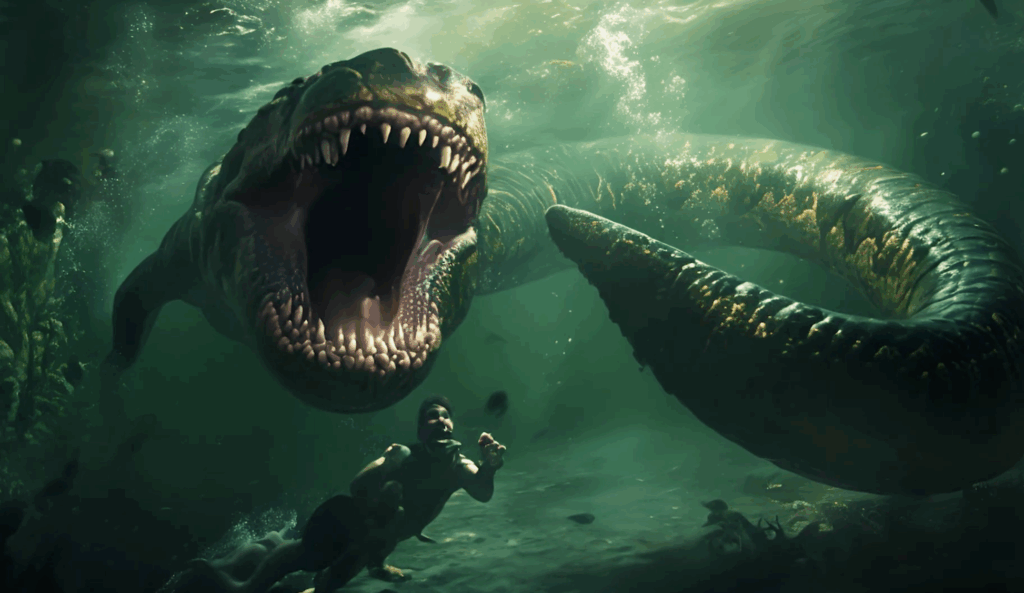
Titanoboa disappeared millions of years before humans existed, and there is no evidence that it will ever return. But imagining its comeback reveals just how different our planet could be if ancient giants still walked the Earth. The largest snake ever discovered would not simply be another predator. It would completely change the balance between humans and the natural world.