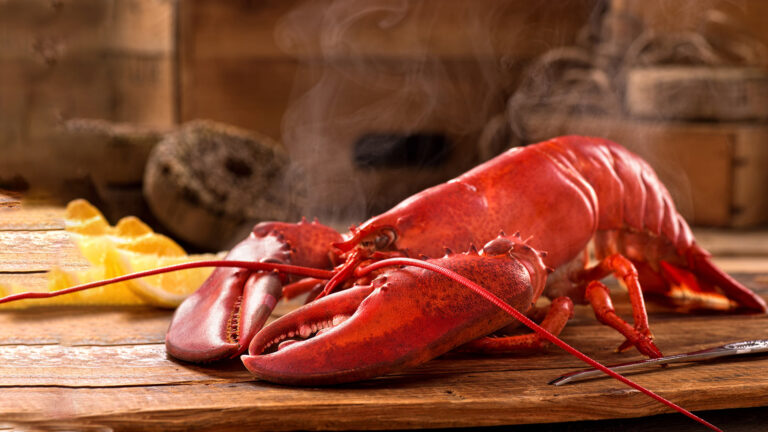
Picture a food so despised that serving it too often was considered cruel. A food shoveled onto the plates of prisoners and servants because nobody else would touch it. A food so worthless that farmers plowed it into their fields as fertilizer.
Now picture that same food on a white tablecloth, drenched in butter, next to a bill that makes your eyes water.
Both of those foods are lobster.
The most famous luxury dish in the world spent most of its history as garbage, and its journey from trash to treasure is one of the strangest stories in the history of food.
How does that happen? The answer is a cocktail of abundance, perception, and time.
From Shoreline Snack to Survival Food
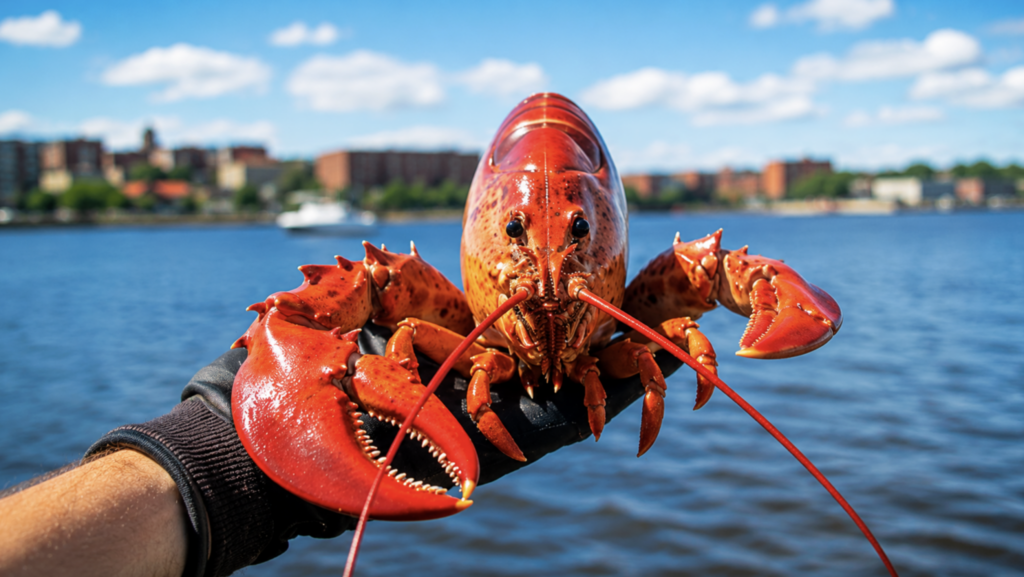
Long before lobster had a price tag at all, Indigenous communities in North America gathered them freely along the coast. And gathering was easy, because the ocean practically delivered them. Lobsters were so plentiful that they washed ashore in enormous numbers.
When European settlers arrived, they could hardly believe what they were seeing. Historical accounts describe lobsters heaped along the shoreline in piles, sometimes stacked so high that ignoring them was impossible.
And that is when lobster hit rock bottom. It was ground into fertilizer. It was dumped onto the plates of prisoners and servants. Being fed lobster regularly was not a treat. It was closer to a punishment.
Cheap. Common. Everywhere. The three deadliest words for any food’s reputation.
The Problem With Too Much Lobster
Here is the brutal rule of value: abundance kills it.
Nobody dreams about what washes up at their feet. Lobster earned its nickname as poor man’s food for one simple reason: there was far too much of it. Nothing rare, nothing special, just survival food for people with no better choice.
But the story was about to turn, thanks to an invention that had nothing to do with taste.
Canning Changes Everything
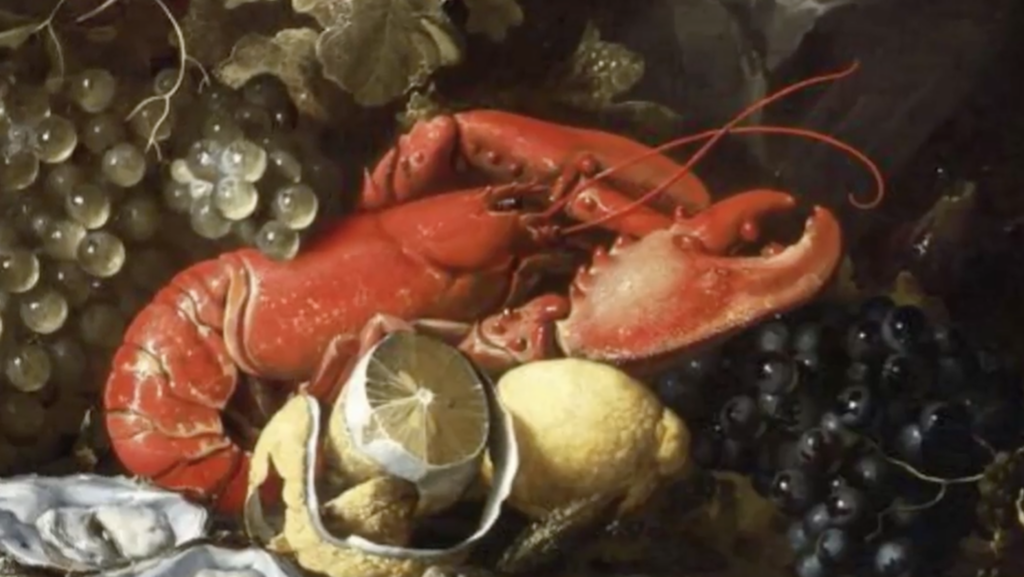
In the mid 1800s, lobster met the tin can, and everything changed. Canned lobster could travel, and for the first time it escaped the coastline and reached people who had never seen the ocean.
Distance worked like magic on its reputation. Far from the shores where it piled up like seaweed, lobster was new, exotic, interesting. Demand climbed, supply shifted, and slowly the meaning of eating lobster flipped: no longer something you ate because you had to, but something you chose.
By World War II, the transformation was in full swing, and lobster was already being treated as a luxury in many places. The prison food was moving up in the world.
The Luxury We Know Today
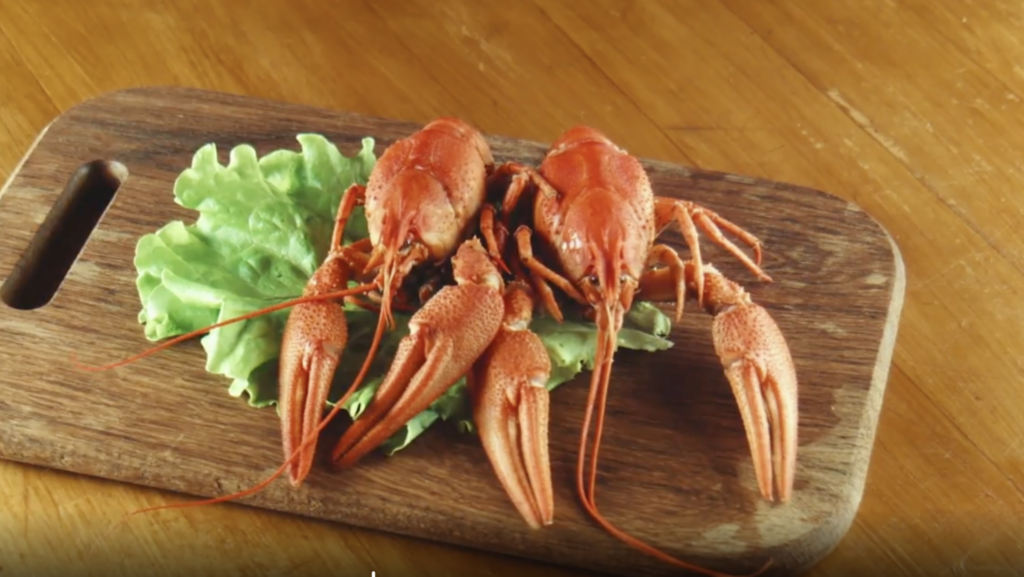
Today, lobster sits firmly at the top of the menu, wrapped in an aura of celebration and fine dining. Part of that prestige comes from the effort behind every plate: how it is harvested, stored, and prepared.
Even the cooking adds to the mystique. Lobster demands speed and care, often cooked live shortly after being caught to guarantee freshness and safety. It refuses to be casual food.
And to be fair, the meat earns some of its fame. It is surprisingly light, lower in calories than many meats, yet firm and tender at once, carrying that naturally sweet, faintly salty flavor that people struggle to compare to anything else.
From Abundance to Rarity
But here is the twist worth remembering: the lobster itself never changed.
The animal on today’s five star plate is the same creature once shoveled into prison kitchens. What changed is everything around it. Wild supply tightened, demand exploded, and scarcity did what scarcity always does: it turned an ordinary thing into a prize.
The food of the poor became a symbol of wealth for one reason only. It stopped being everywhere.
From rotting in piles on the shore to resting on porcelain with a fortune attached, the lobster never improved. Our opinion of it did.
Funny how value works.