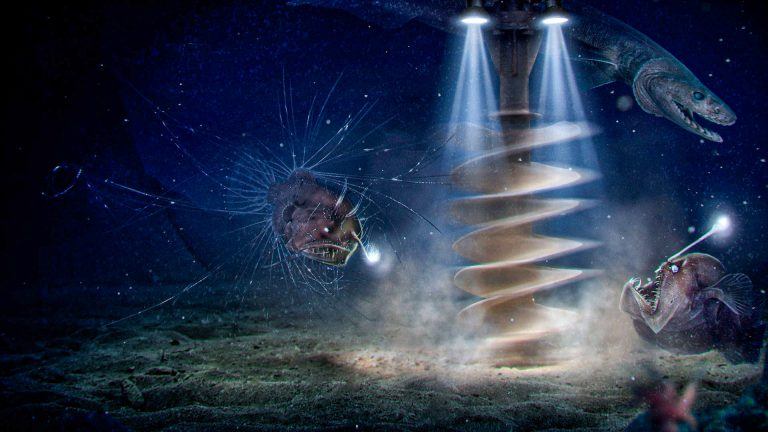
Far beneath the surface of the western Pacific sits one of the most punishing environments this planet has to offer. The Mariana Trench was never meant to welcome visitors, and everything about it, the crushing cold, the total absence of light, the sheer distance from the surface, makes that abundantly clear.
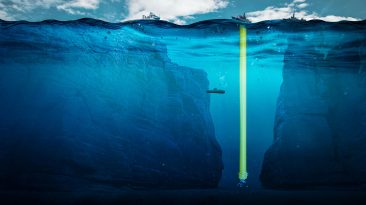
Its lowest point carries a name of its own, the Challenger Deep, recognized as the deepest place found anywhere in Earth’s oceans. Simply reaching that spot already counts as a monumental achievement, so the notion of drilling beneath it pushes the challenge into an entirely different category altogether.
Getting down there safely is difficult enough on its own. Pressure at that depth reaches roughly 1,100 times what we feel standing at sea level, a force strong enough to crumple most materials outright and rule out anything resembling ordinary exploration equipment.
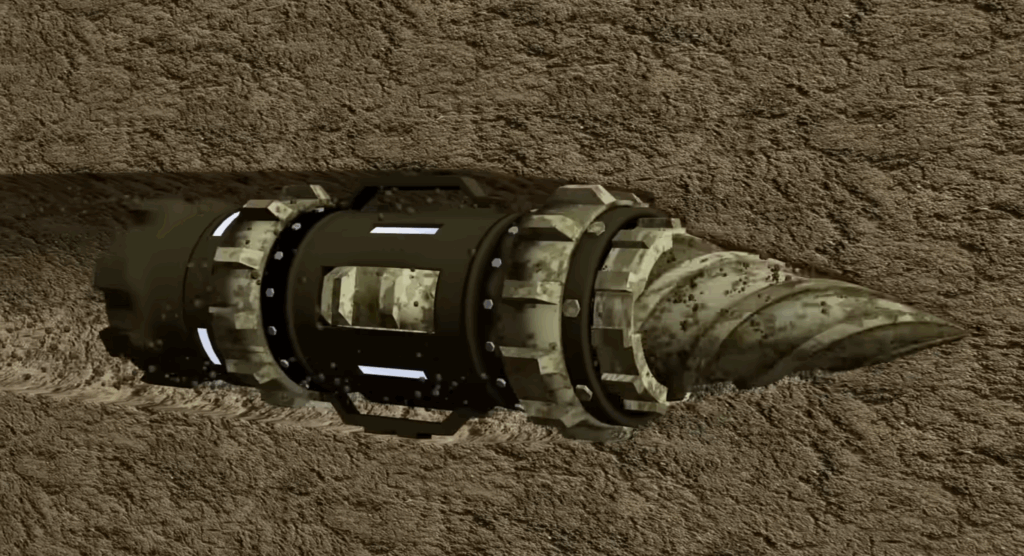
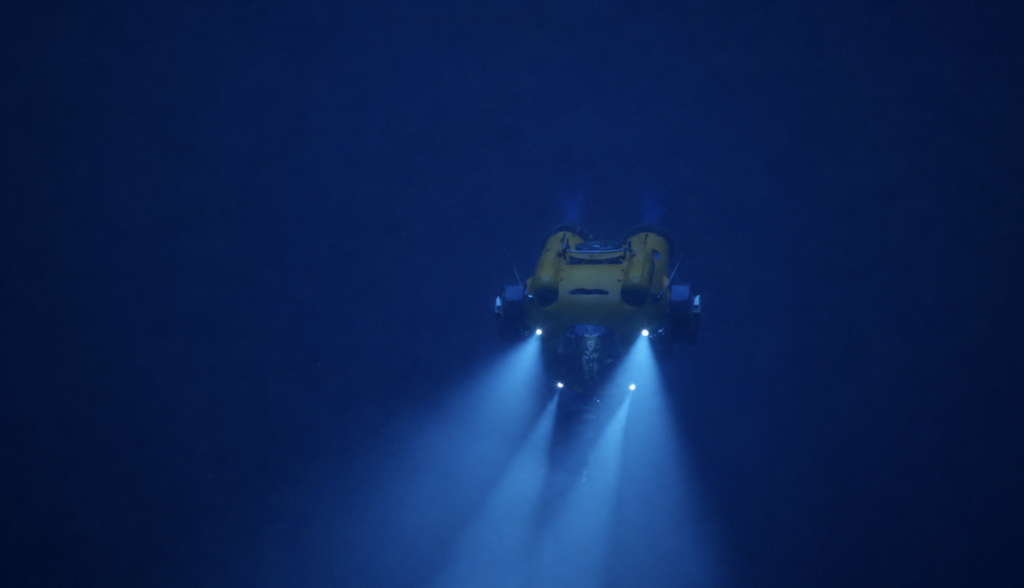
Working in that setting demands submarines built specifically for the task, reinforced against extreme compression, with human crews restricted to brief, tightly managed missions inside vessels engineered to resist being crushed instantly.
Drilling beneath the seafloor introduces a whole new set of problems on top of that.
Before a single drill bit touches rock, engineers would need to solve the problem of anchoring heavy equipment on ground that is neither stable nor familiar. There is no firm base to build on the way there would be on land, only shifting sediment buried under punishing pressure, and everything used down there would need to be secured against that instability.
Complicating matters further, there is essentially nothing to see. No sunlight has ever touched this depth, so artificial light becomes absolutely necessary, and every step of the process would have to be carried out in total darkness, relying entirely on sensors and remotely operated systems.
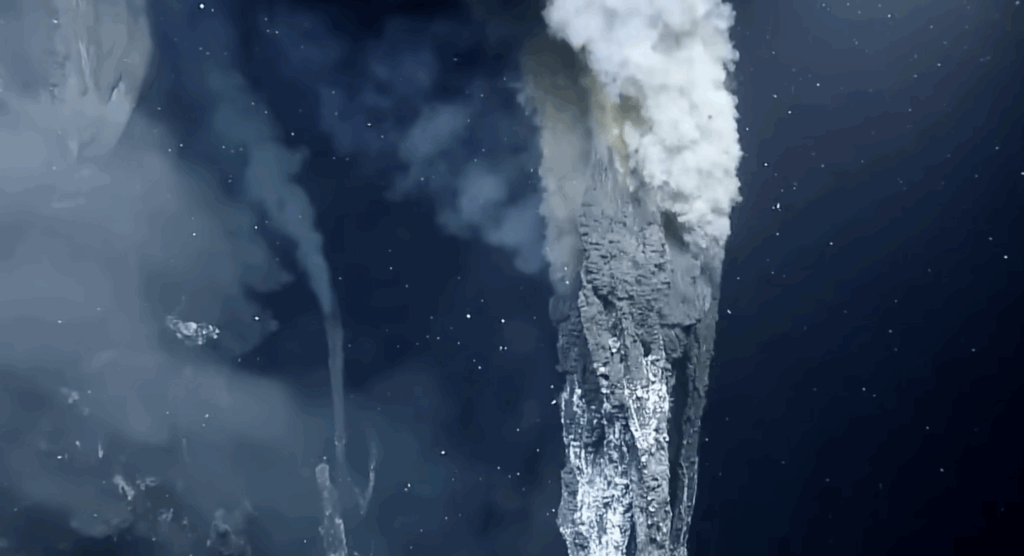
Once drilling actually starts, the ground itself raises fresh problems. The ocean crust consists largely of dense volcanic rock formed from ancient eruptions, material tough enough to grind down drilling equipment quickly and demand ongoing maintenance and part replacement just to keep going.
Prior deep sea research has already shown that heat rises sharply not far beneath the ocean floor. Certain subduction zones have produced drilling readings above 120 degrees Celsius only a short distance under the seabed.
Because of that, pushing any deeper would call for more than pressure resistant hardware alone. Equipment would also need to withstand serious geothermal heat without failing.
Navigation turns out to be its own separate headache. At these depths, even relocating a hole already drilled becomes surprisingly hard, since the surrounding environment shifts constantly, sediment drifts, and visibility remains close to nothing. Without extremely precise markers and tracking systems, a site could effectively vanish even after it was successfully created.
It is worth noting that drilling deeper does not automatically mean drilling closer to Earth’s core in any simple sense. Earth is not a flawless sphere to begin with, its shape bulges slightly wider near the equator, which means the distance separating any given point from the planet’s center actually changes depending on location. Some spots on the surface sit noticeably farther from the core than others do.
As a result, starting from the ocean’s lowest known point would not necessarily represent the shortest route inward at all. Oddly enough, other locations elsewhere on Earth could offer a more direct path toward the center.
The Mariana Trench continues to stand as one of the most extreme and least explored corners of our planet, and even with today’s technology, seriously drilling beneath it would stretch engineering, physics, and imagination to their limits, a clear reminder that plenty of places right here on Earth remain almost entirely out of reach.