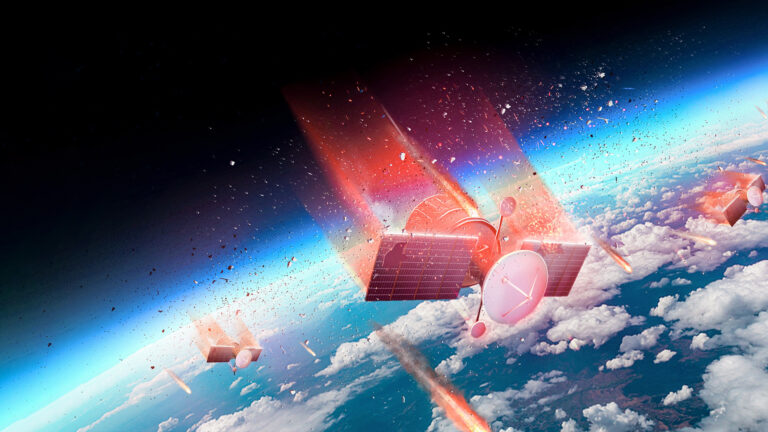
The night sky looks empty. It isn’t. There are thousands of satellites up there right now, along with a great deal of debris, and almost none of us give them a second thought.
That’s the whole point of them, really. They work quietly and constantly, handling communication, navigation, weather forecasting, crop monitoring, financial transactions, and the internet connections of billions of people.
So imagine waking up one morning to find every single one of them had failed.
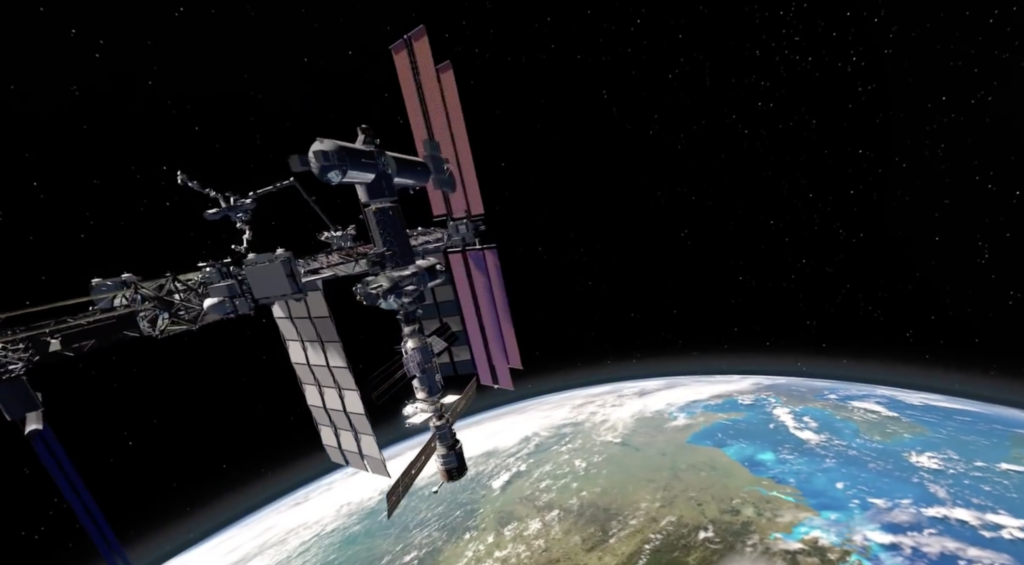
The first sign wouldn’t be anything crashing into a city. It would be silence.
Television broadcasts would vanish across large parts of the world. Satellite dependent internet services would drop out. Phone networks would jam almost immediately as millions of people tried to reach family and work out what had happened.
Plenty of quieter things would break too. Weather forecasting would get noticeably worse. Emergency responders would lose tools they rely on during natural disasters. Scientists would stop receiving data used to track forests, oceans, and climate.
Then the bigger problem arrives.
Navigation runs on satellites. GPS guides aircraft, ships, delivery fleets, and millions of ordinary drivers every single day, and without it, moving anything from one place to another gets complicated fast.
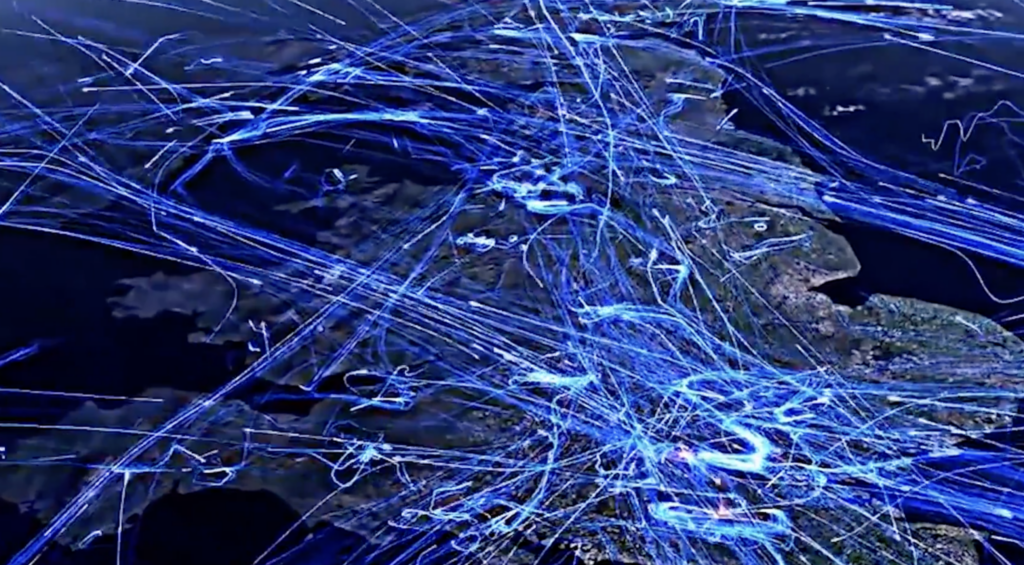
Aviation would feel it hardest. Thousands of aircraft are in the air at any given moment, and while pilots do have backup navigation methods, losing satellite service all at once would throw global air traffic into confusion and delay.
The money side might be worse.
Financial institutions depend on extremely precise satellite timing to coordinate the flood of transactions passing through them daily. Credit card processing, banking, and stock exchanges all lean on timing information that satellites help supply.
Card payments would fail in many places. The automated systems quietly running global commerce would suddenly become very difficult to operate.
That’s the moment it becomes obvious how much of modern life is being held up by machines a few hundred kilometers overhead.
And it wouldn’t end there, because all those dead satellites would still be up there, still circling.
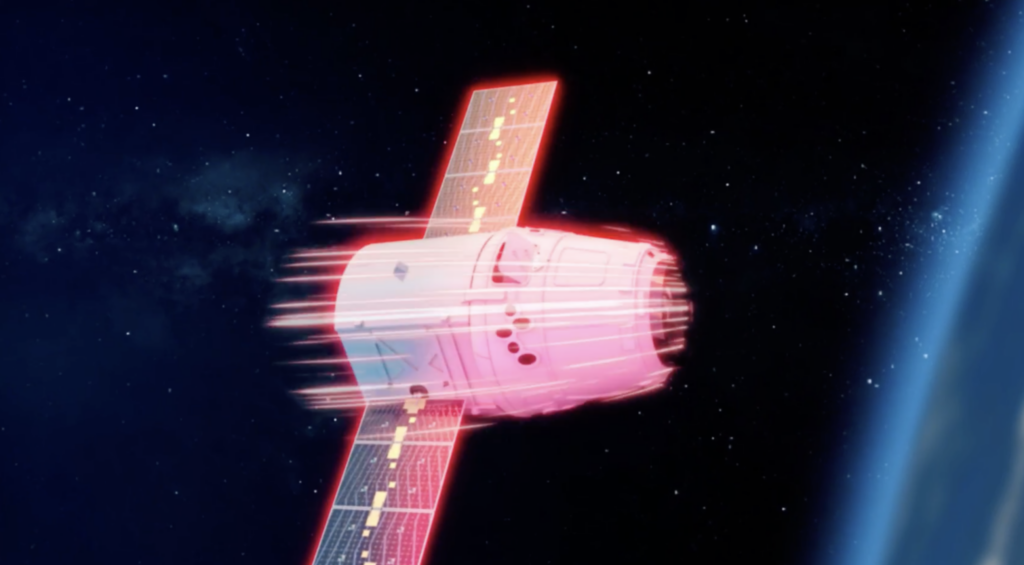
Objects in orbit move extraordinarily fast, and how quickly each one comes down depends on where it was sitting. Some orbit a few hundred kilometers up, others considerably higher.
A few would start reentering fairly soon. Others could stay up there for decades before finally falling.
So instead of one dramatic event, you’d get a slow drip of reentries stretched across years, with nobody able to say precisely when or where.
The atmosphere does most of the work protecting us. Friction and heat tear apart the majority of objects long before they reach the ground.
Not all of them, though. Large pieces of metal can survive the trip.
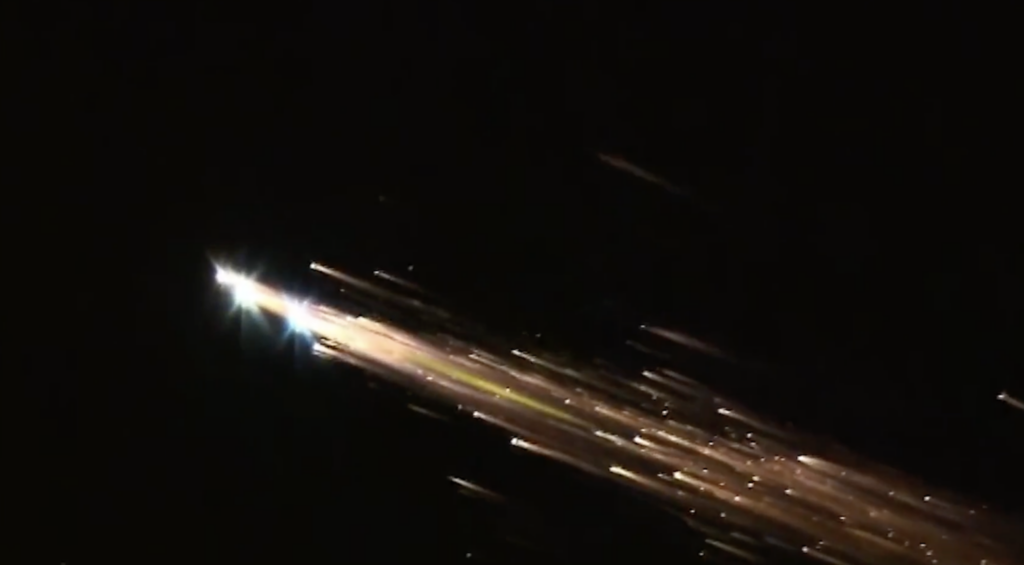
Normally engineers control that ending, steering old satellites toward remote ocean areas or empty land. With everything failing at once, there’d be nothing to steer with.
Oceans cover most of the planet, so a lot of it would land harmlessly in water. Some wouldn’t. Buildings could be damaged, transport routes disrupted, and certain areas would face genuine risk from falling debris. A few satellites also carry specialized materials that would need careful handling if they made it down intact.
Here’s the part worth sitting with, though.
Civilization wouldn’t be in trouble because things were falling out of the sky. It would be in trouble because we built everything on top of machines nobody looks at.
Communication, navigation, commerce, science, emergency response, all of it quietly depending on a thin layer of technology orbiting overhead.
The sky looks empty. Take away what’s actually up there and you’d barely recognize the world underneath it.