Unlike Earth, which is securely orbiting the Sun, there are billions of rogue planets drifting through the Milky Way with no star to call home. These worlds were likely ejected from their original solar systems and now travel through interstellar space, completely untethered.
Most of them pass unnoticed. But what would happen if one of them entered our Solar System?
How would such a massive object affect the delicate balance of planetary orbits? Could it push Earth out of the habitable zone entirely? And in the worst case scenario, what if it was on a collision course with us?
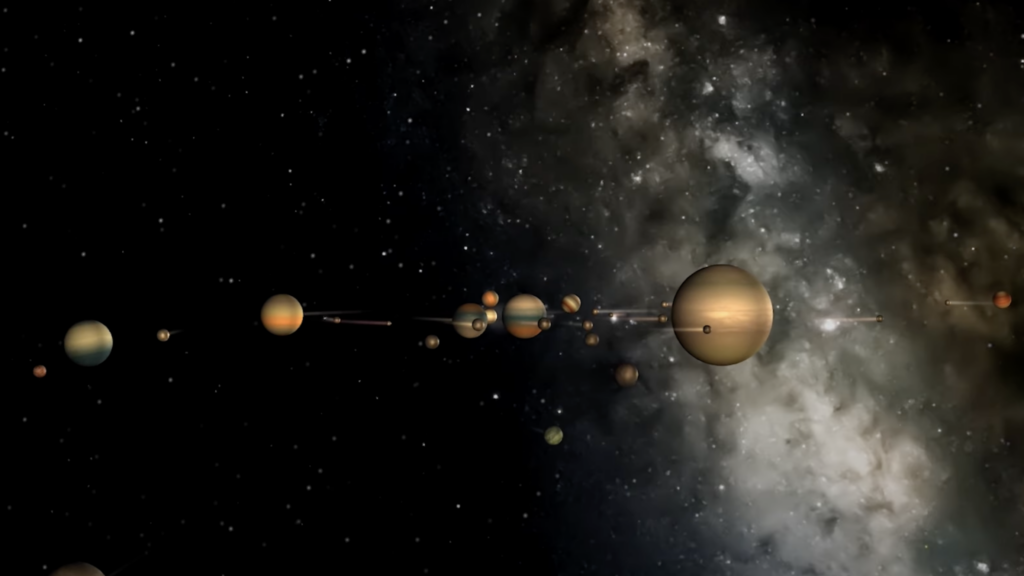
Not every planet has a home. A rogue planet is defined as a planetary mass object that no longer orbits a star. Many of these worlds are believed to have been violently ejected during the early formation of their solar systems, sent wandering through the galaxy on unpredictable paths.
Some of these objects may even be massive, with extreme physical characteristics such as strong magnetic fields and internal heat that could produce faint auroras despite the absence of a nearby star.
So what if one of these interstellar wanderers crossed into our Solar System?
Would it mean disaster for life on Earth?
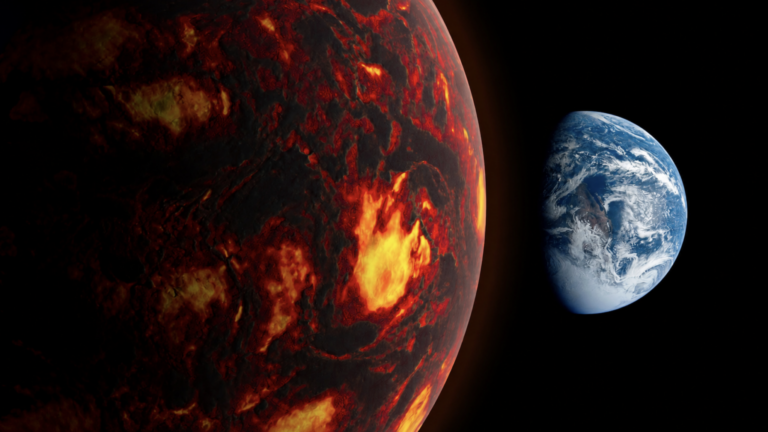
Once a rogue planet entered our system, the consequences would depend heavily on its trajectory. If it passed too close to Earth, the gravitational forces alone could be catastrophic. In a direct collision scenario, the result would be complete destruction of the planet.
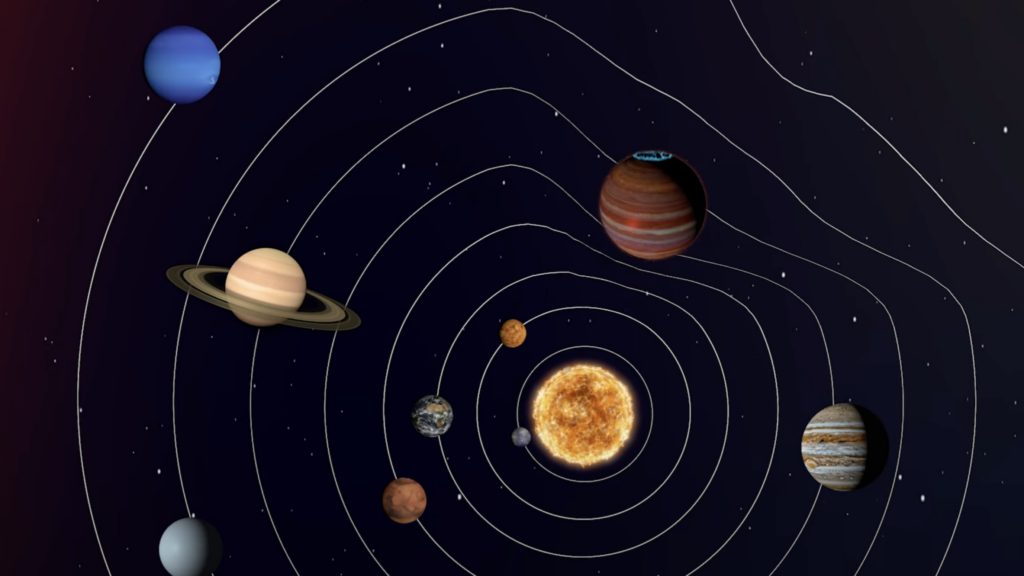
However, the Solar System is vast, and a direct impact is statistically unlikely. A more realistic scenario involves a close flyby, where the rogue planet does not strike anything directly but still disrupts the gravitational balance of the planets.
If the intruder were massive enough, potentially even larger than Jupiter, its gravity could significantly alter planetary orbits. Earth’s orbit, instead of being stable and nearly circular, could become more elongated and unstable.
And that is where the real danger begins.
Earth currently exists within the Sun’s habitable zone, often called the Goldilocks zone. This is the region where temperatures allow liquid water to exist, not too hot and not too cold. It is this balance that makes life possible.
But if Earth’s orbit changes, that balance could be destroyed.
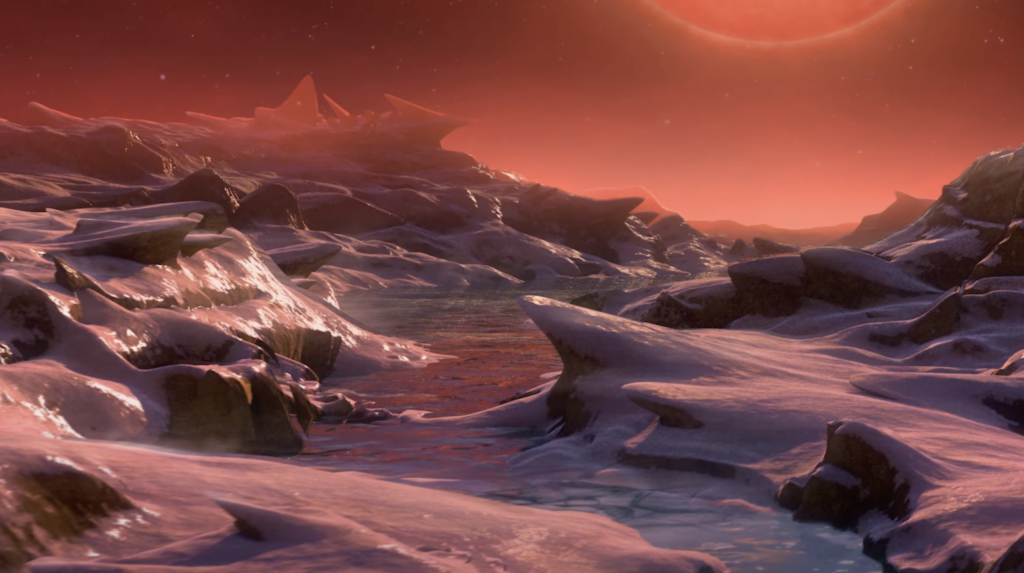
A shifted orbit might bring Earth closer to the Sun during parts of the year, creating extremely hot and unstable summers. Those could be followed by long, freezing winters as the planet moves farther away. Such extreme seasonal shifts would severely disrupt ecosystems and agriculture, making survival increasingly difficult for human civilization.
In a more extreme case, Earth could be pushed completely out of the habitable zone. If that happened, global temperatures would begin to drop dramatically. Oceans would freeze, ecosystems would collapse, and most life on the surface would be unable to survive.
In such a scenario, only a few possibilities for survival might remain, such as isolated geothermal environments deep in the oceans, where heat from Earth’s interior continues to support limited life.

Over an extremely long timescale, life might adapt or evolve under these new frozen conditions, but civilization as we know it would likely not survive.
Fortunately, space is vast, and rogue planets are separated from star systems by enormous distances. While the idea is scientifically interesting, the probability of a rogue planet significantly disrupting our Solar System is extremely low.
Still, it remains a reminder of how delicately balanced our place in the universe really is.