Nearly four decades on, Chernobyl still doesn’t behave like other historical sites. The buildings are standing. The schools still have desks in them. The forests are quiet in a way that gets under your skin.
It photographs beautifully, which is part of the problem. Everything about the place suggests the danger left with the people, and that’s simply not true.
Radiation is still sitting in the soil. Certain areas remain contaminated. Scientists are still working out what the disaster actually did to the people and the landscape around it.
Before the recent fighting in Ukraine, guided tours ran into the exclusion zone every year, bringing in tens of thousands of visitors who wanted to walk the empty streets for themselves. But a managed tour and an extended stay are two very different things.
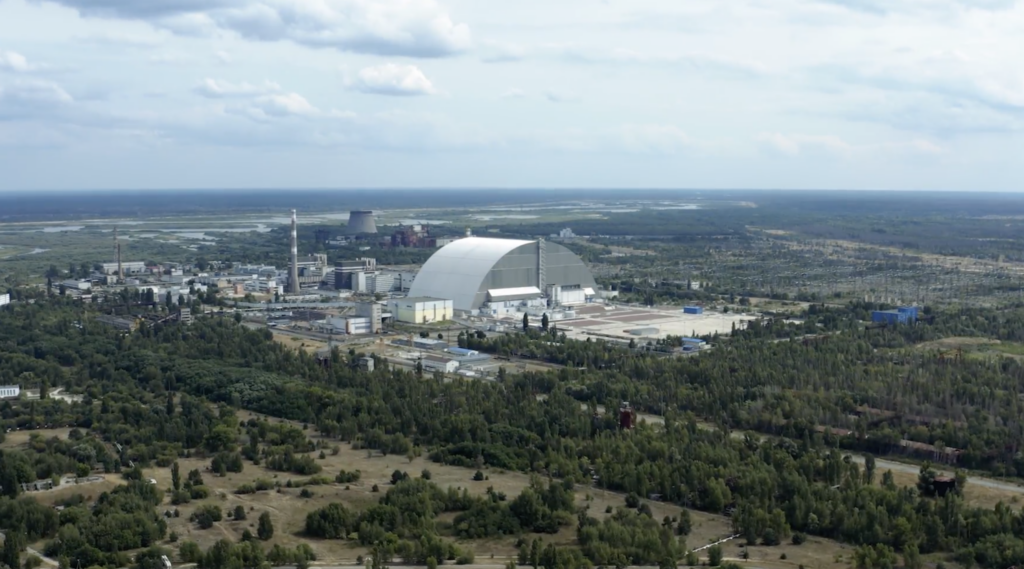
The plant itself sits about 130 km north of Kyiv. In the early hours of April 26, 1986, Reactor Four exploded during a safety test that went badly wrong, and the fire that followed pushed radioactive material high into the atmosphere.
Contamination spread across large parts of Ukraine, Belarus, and further still.
The workers and emergency responders took the worst of it, many absorbing enormous doses while trying to contain something nobody was prepared for. The surrounding region was eventually sealed off, an area covering roughly 2,600 square kilometers.
Pripyat is the part everyone recognizes. Around 50,000 people lived there before the accident, and today the apartment blocks, schools, and that famous amusement park sit empty while trees push up through the streets.
Walking through it, you might reasonably conclude the danger has passed. Some areas do have relatively low readings now compared with the immediate aftermath.
The trouble is what’s underfoot. Radioactive particles remain in the soil, in dust, and in specific hotspots scattered through the zone.
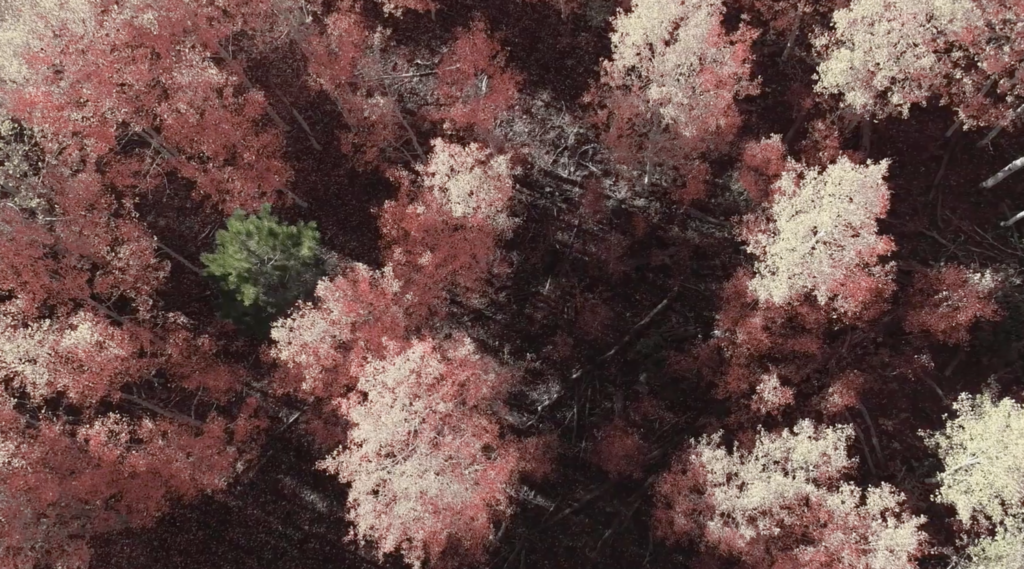
The Red Forest makes that point better than anywhere else. Radiation killed off huge stretches of pine after the explosion, turning the trees a reddish brown, which is where the name comes from.
New growth has come back since. It’s still one of the most contaminated places inside the entire zone, and disturbing the ground there can lift radioactive particles straight back into the air.
Which brings up the thing that makes Chernobyl genuinely unnerving. You cannot see radiation, smell it, or taste it. You can be standing in a dangerous dose and feel completely fine.
All of us absorb small amounts of radiation constantly, from natural sources, medical scans, even flying. Parts of Chernobyl run considerably higher than that ordinary background level.
The worst of it remains around Reactor Four.
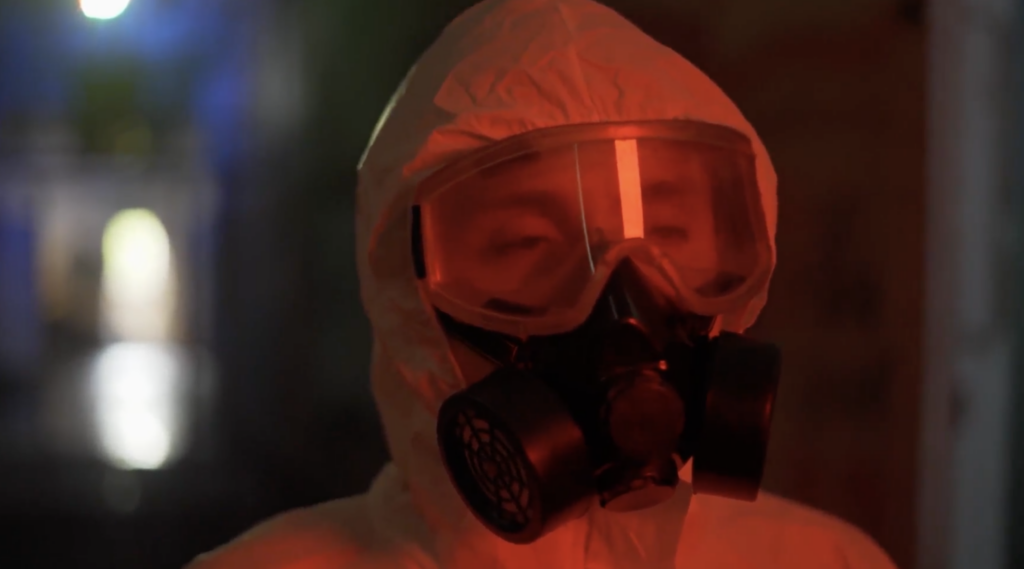
Access there is tightly controlled. Visitors follow set routes, avoid lingering in elevated areas, wear protective clothing, and get monitored throughout.
Heavy exposure damages cells throughout the body. Very high doses cause nausea, vomiting, skin injuries, and acute radiation sickness, while long term exposure raises the odds of serious health problems years down the line, including certain cancers and cardiovascular disease.
The delay is what makes it dangerous. Damage builds up quietly, and someone can feel perfectly healthy while things change inside them at a cellular level.
Meanwhile, something unexpected has been happening across the zone. Animal populations are thriving, precisely because people left. Wolves, deer, and birds have moved into the space we abandoned.
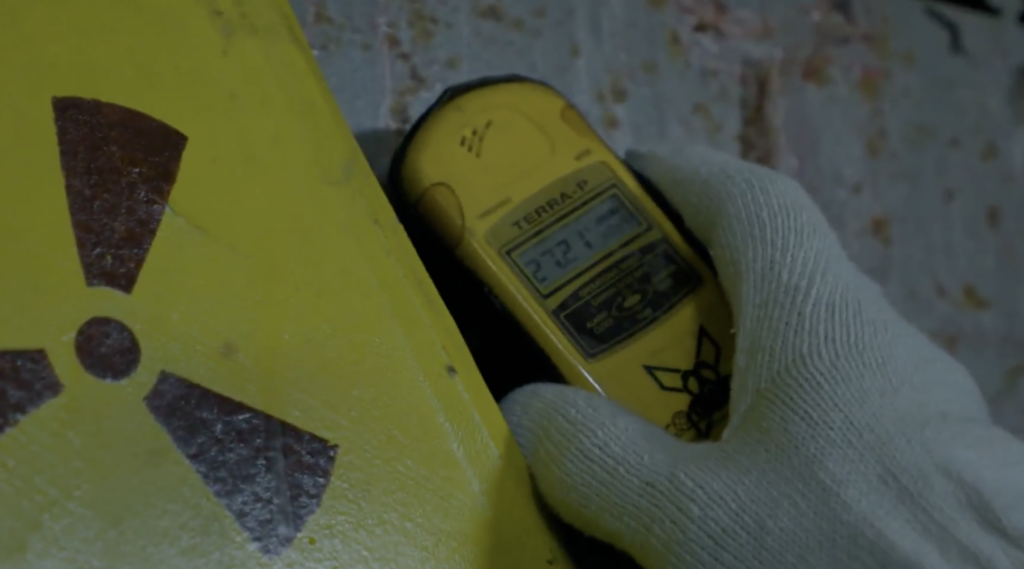
Then 2022 brought a fresh reminder of how unstable the place still is. During military activity in the region, heavy vehicles churned up contaminated soil, and monitoring stations picked up temporary spikes in radiation as particles were thrown into the air.
That’s the detail worth holding onto. This is not a museum piece or a tourist curiosity. It is an active site where conditions can still shift without much warning.
Chernobyl is a strange kind of place, with nature and contamination sharing the same ground, and empty cities standing as evidence of what happened here.
It looks peaceful. The silence is real. What’s buried in the soil hasn’t gone anywhere.