Life on Earth is far more resilient than it first appears. From scorching deserts to freezing oceans, and even places touched by radiation or near total isolation, animals have evolved extraordinary ways to survive conditions that would kill most species within minutes. While humans often imagine alien life on distant planets, some of the most remarkable “alien like” organisms are already here on Earth.
Here are some of the most extreme creatures and the incredible adaptations that allow them to survive where almost nothing else can.
Kangaroo Rat: A Desert Survivor That Never Drinks Water
In the hot, dry deserts of North America lives one of the most efficient water saving animals on the planet: the kangaroo rat.
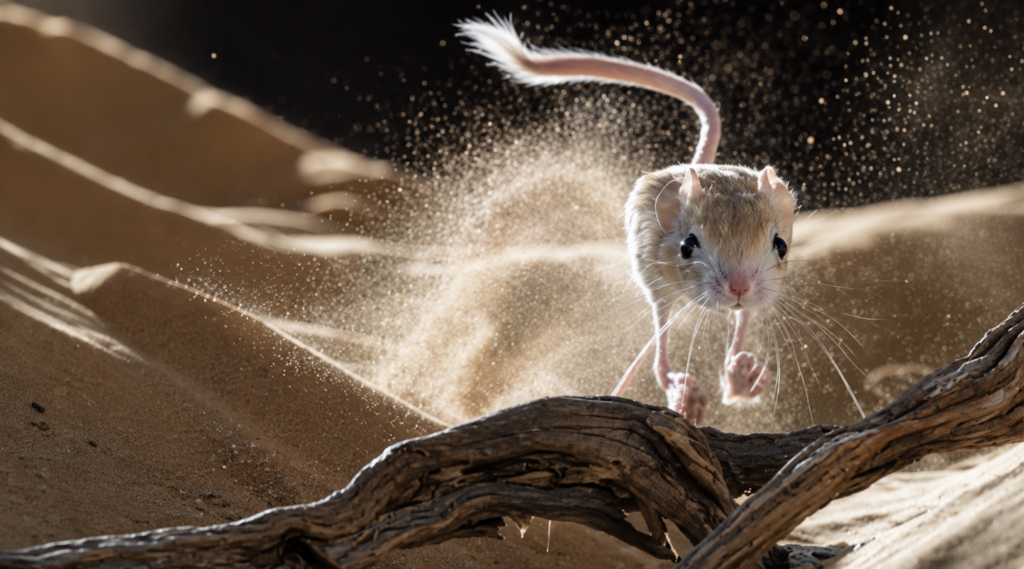
Unlike most mammals, the kangaroo rat can survive its entire life without directly drinking water. Instead, it gets all the moisture it needs from its seed based diet. But what truly makes it remarkable is how it prevents water loss in the first place.
It produces extremely concentrated urine and dry feces, while also minimizing water loss through breathing, sweating, and even panting. By essentially shutting down every non essential form of water usage, it can thrive in environments where liquid water is almost impossible to find.
Pompeii Worm: Living Next to Boiling Water
Deep on the ocean floor, life usually exists in freezing darkness. But near hydrothermal vents, the situation is completely different.
These vents release superheated water that can exceed 400 degrees Celsius, creating some of the most extreme environments on Earth. Yet one creature not only survives here, it builds its home directly beside it.
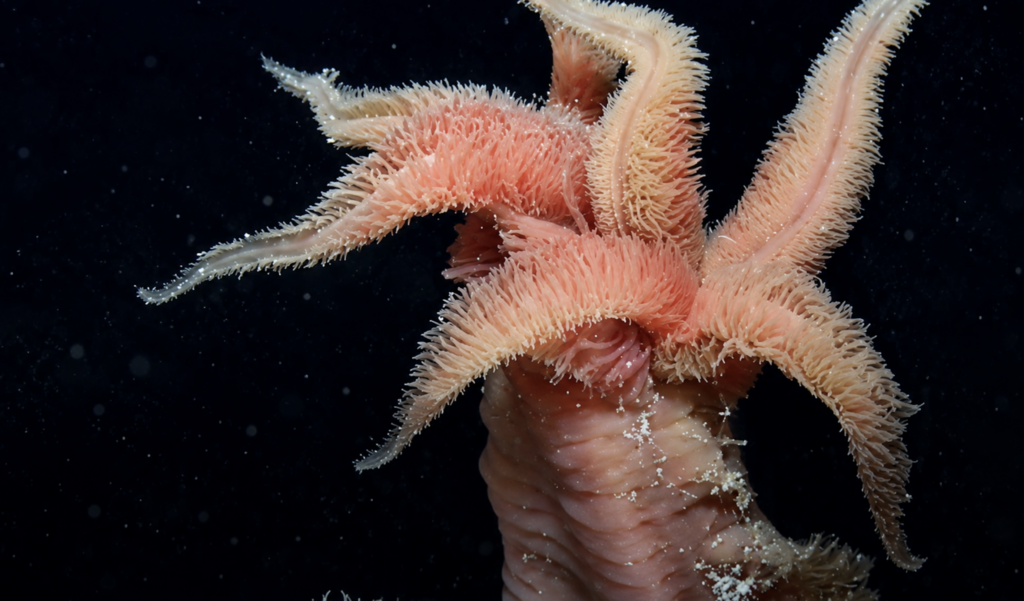
The Pompeii worm lives on the walls of these volcanic chimneys. Scientists consider it one of the most heat tolerant animals known. It can survive rapid temperature changes that would instantly kill most organisms.
Researchers believe its survival may be linked to a protective layer of symbiotic bacteria covering its body, which could act as a form of insulation. However, because these worms are extremely difficult to study in detail, much about them remains a mystery.
Greenland Shark: The Cold Blooded Deep Sea Giant
While the Pompeii worm thrives in extreme heat, the Greenland shark dominates the opposite end of the temperature scale.
Found in icy Arctic and North Atlantic waters, this shark lives in temperatures as low as 1 to 12 degrees Celsius. Despite the freezing conditions, it is one of the longest living vertebrates on Earth.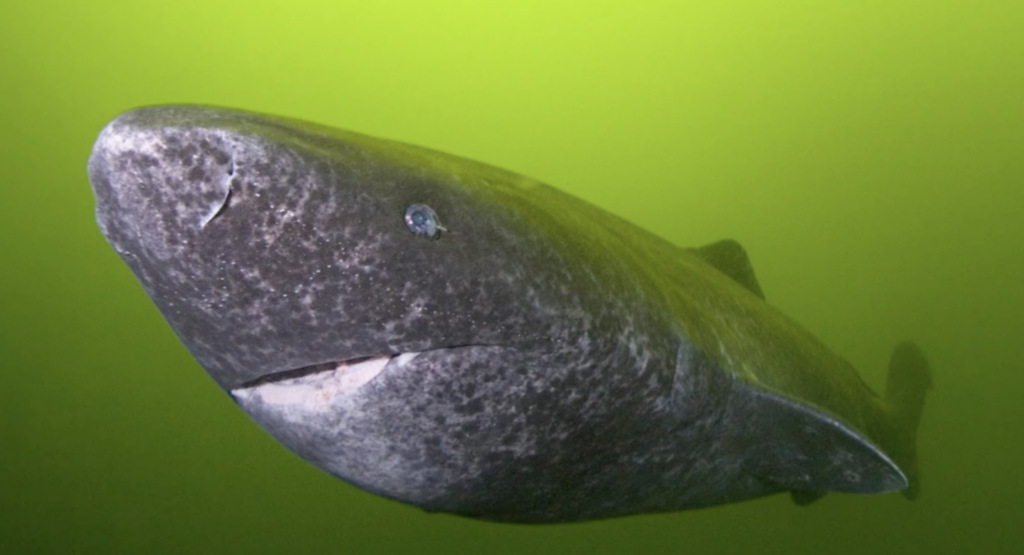
To conserve energy in such a cold environment, the Greenland shark moves extremely slowly. It is also an opportunistic feeder, meaning it eats almost anything it can find, including dead animals. This scavenging lifestyle helps it survive in an ecosystem where food is scarce.
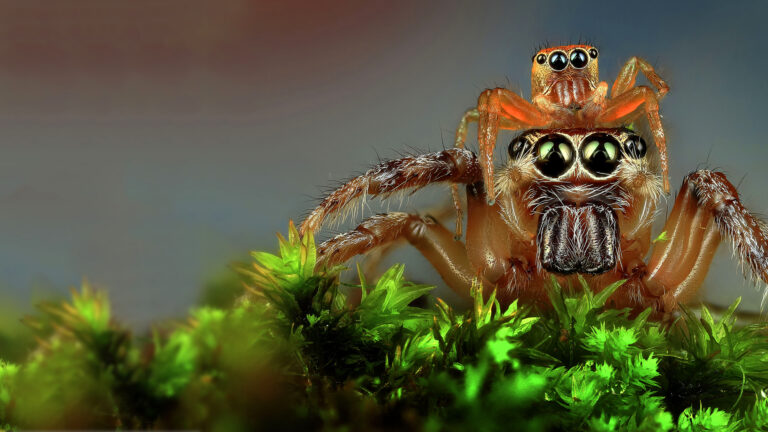
Himalayan Jumping Spider: Life at Extreme Altitude
High in the Himalayas, where oxygen is thin and temperatures drop sharply, lives a surprisingly adaptable predator: the Himalayan jumping spider.
At elevations of around 6,700 meters, conditions are harsh and food is rare. Yet this spider has managed to carve out a niche in one of the highest ecosystems on Earth.
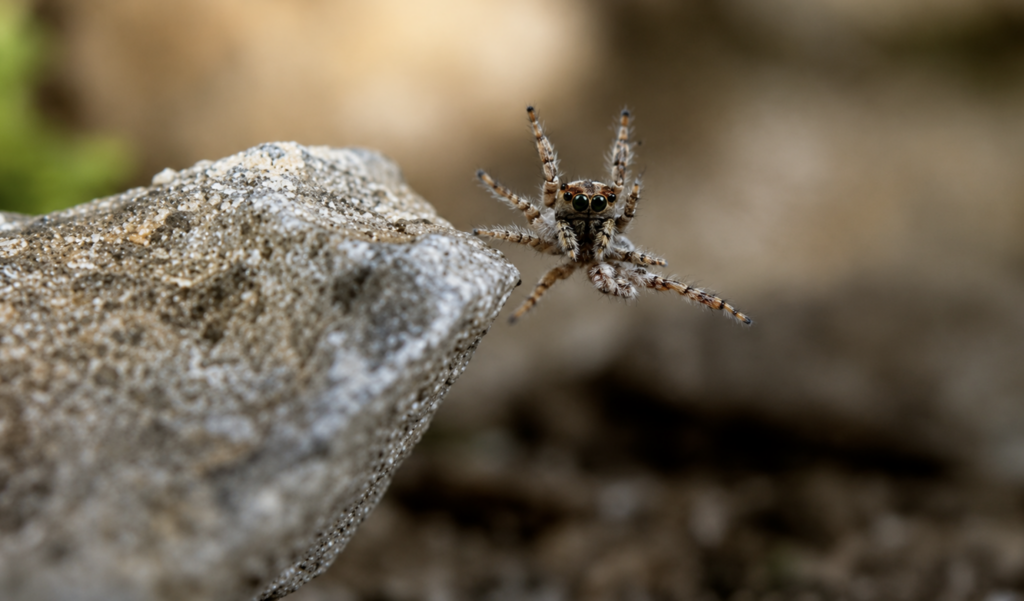
It creates silk shelters beneath rocks to protect itself from freezing temperatures and wind. With very few prey animals available at such heights, it relies on insects that are carried upward by strong mountain winds. Despite the extreme altitude, it behaves much like its lower altitude relatives, just with far more limited resources.
Tardigrade: The Indestructible Micro Animal
If any creature seems truly alien, it is the tardigrade, often called the water bear.
These microscopic organisms are famous for their ability to survive conditions that would destroy almost all known life. They can endure boiling temperatures, freezing cold, crushing pressure, radiation, and even the vacuum of space.
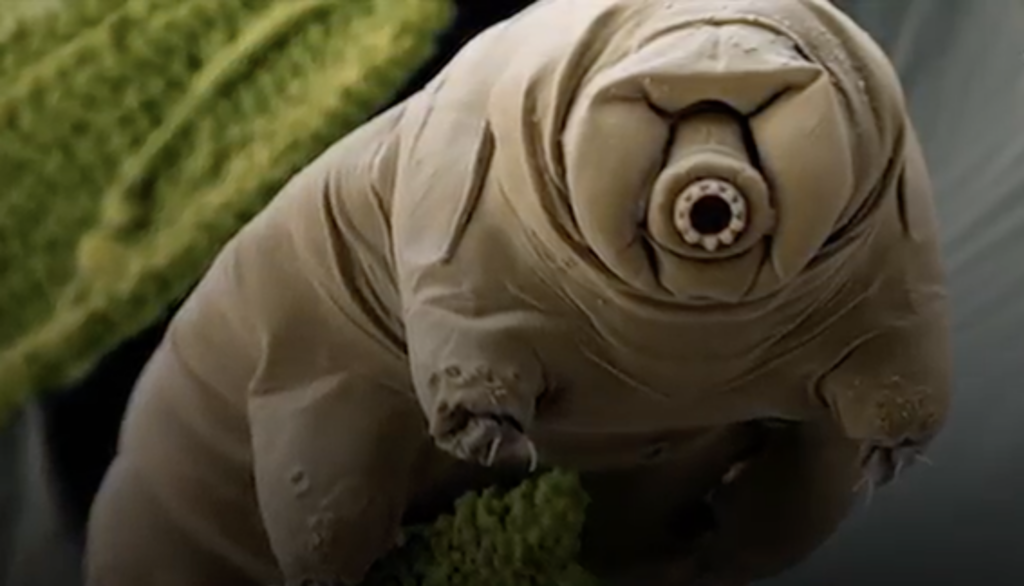
Their secret lies in a survival state called cryptobiosis. In this dehydrated form, the tardigrade shuts down almost all biological activity, essentially becoming dormant. In this state, it can survive for years, even decades.
When water becomes available again, the tardigrade reanimates and resumes normal life as if nothing happened.
Nature’s Ultimate Survival Experts
From desert rodents that never drink water to microscopic creatures that can survive space, these animals demonstrate just how adaptable life can be. Each one pushes the boundaries of biology and challenges what we think is possible for living organisms.
Studying them does more than satisfy curiosity. Their extreme adaptations may help scientists understand how life could exist beyond Earth, in environments once thought completely uninhabitable.
In many ways, these “crazy creatures” are not just survivors. They are proof that life, given enough time, will find a way almost anywhere.