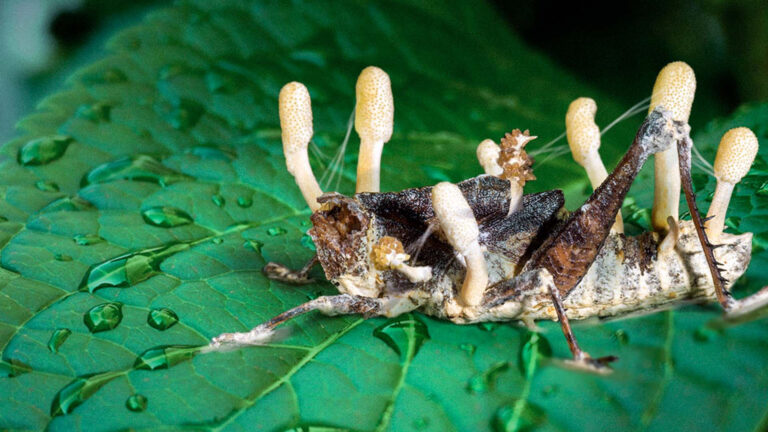
What if an insect could remain alive while slowly losing control of its own body? Instead of being killed by a predator, imagine something invading it, changing its behavior, and using it as part of a reproductive strategy.
This sounds like something from a horror movie, but nature has already created it. In forests around the world, parasitic fungi infect insects and manipulate their behavior in ways that seem almost impossible.
One of the most famous examples is Cordyceps, a group of fungi that turns infected insects into living tools for spreading its spores.
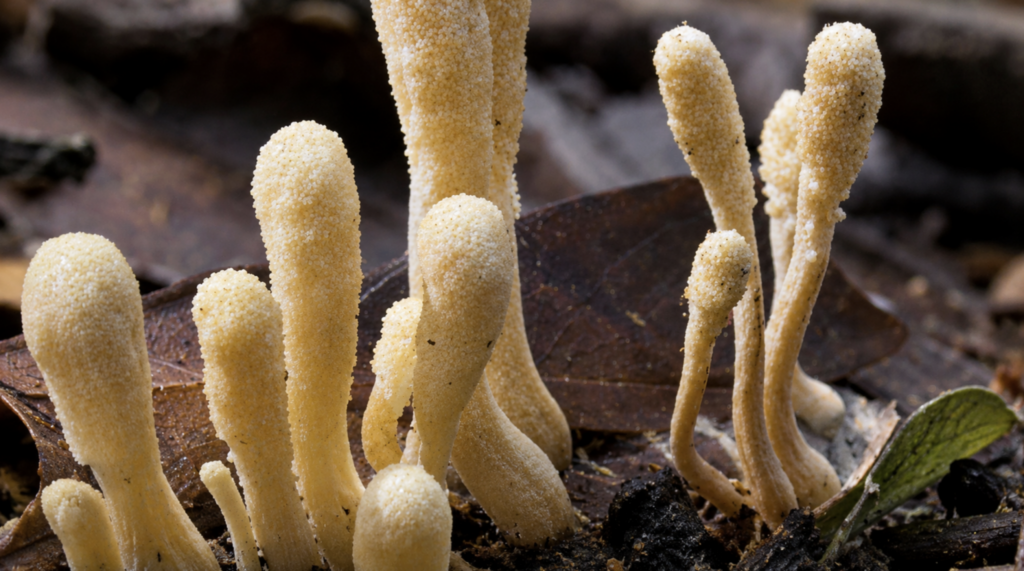
There are hundreds of Cordyceps species, and many specialize in particular insects. Some are adapted to a single host, while others can infect several closely related species.
The process begins when microscopic spores land on an insect. If conditions are right, they attach to its outer body and eventually penetrate the protective shell.
Once inside, the fungus begins growing through the insect while consuming nutrients from its tissues. At first, the victim may appear completely normal, allowing the infection to develop unnoticed.
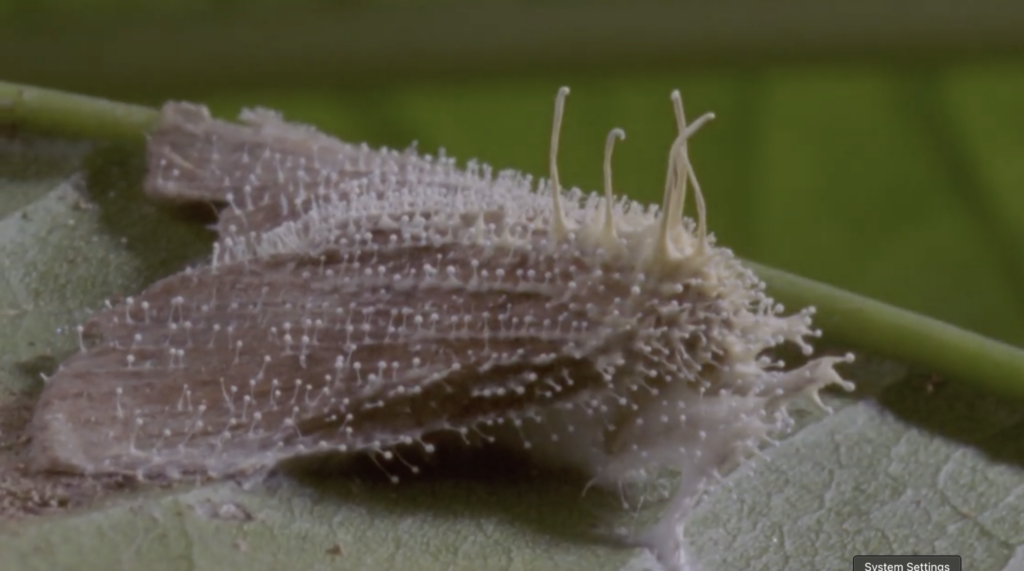
Eventually, strange behavioral changes begin to appear. The insect may become unusually active, move differently, or lose some of its normal responses to its surroundings.
In certain species, the fungus can influence where the infected insect travels. Scientists have discovered that this manipulation does not necessarily require the fungus to completely take over the brain.
Instead, chemical compounds produced by the fungus can interfere with the insect’s nervous system and alter the signals controlling movement and behavior. Changes involving neurotransmitters and gene activity may also contribute to the effect.

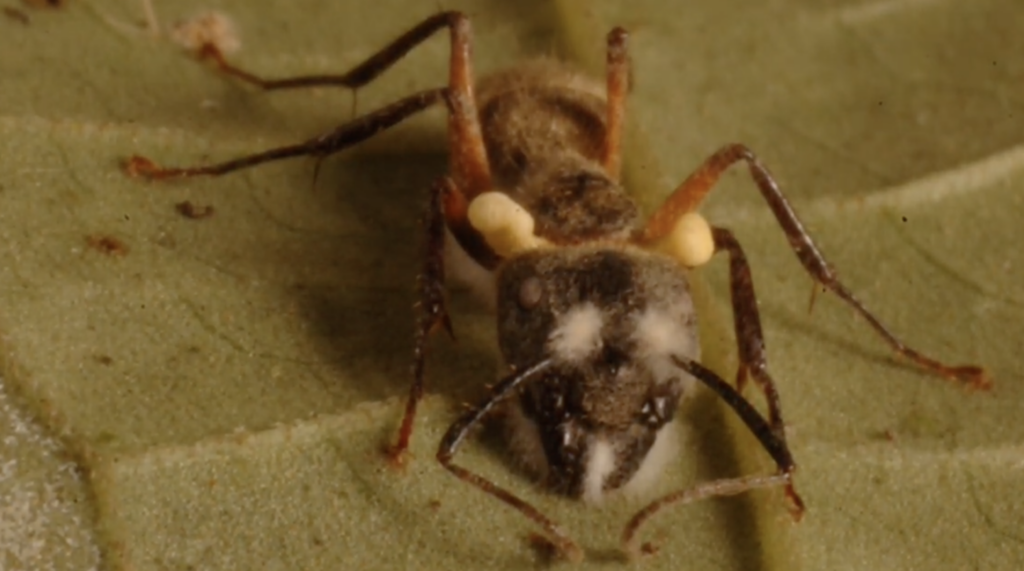
One of the most disturbing examples occurs in ants. An infected ant may climb a plant and eventually clamp its jaws onto a leaf or stem with an extremely powerful grip.
The position is important because the fungus needs particular temperature and humidity conditions to reproduce. By forcing the insect into the right environment, the parasite gives itself a much better chance of completing its life cycle.
After the ant dies, the fungus continues developing inside its body. Eventually, a structure grows outward and releases new spores, which can infect other insects passing through the area.
Ant colonies have developed ways to fight back. Healthy ants can sometimes identify infected members and remove them from the colony, reducing the chance that the fungus will spread.
Cordyceps is not alone in manipulating insects. Another fungus called Massospora has evolved an equally disturbing relationship with cicadas.
Periodical cicadas can spend more than a decade underground before emerging in huge numbers. When Massospora infects them, the fungus consumes internal tissues and replaces parts of the insect’s body with fungal material.
The infected cicadas can also become unusually active. The fungus produces chemicals that affect their behavior, encouraging continued movement and interactions that help distribute spores to other insects.
Some of these chemicals resemble compounds found in psychoactive substances, making the infection even more unusual. However, this does not mean infected insects are safe or suitable for human consumption.
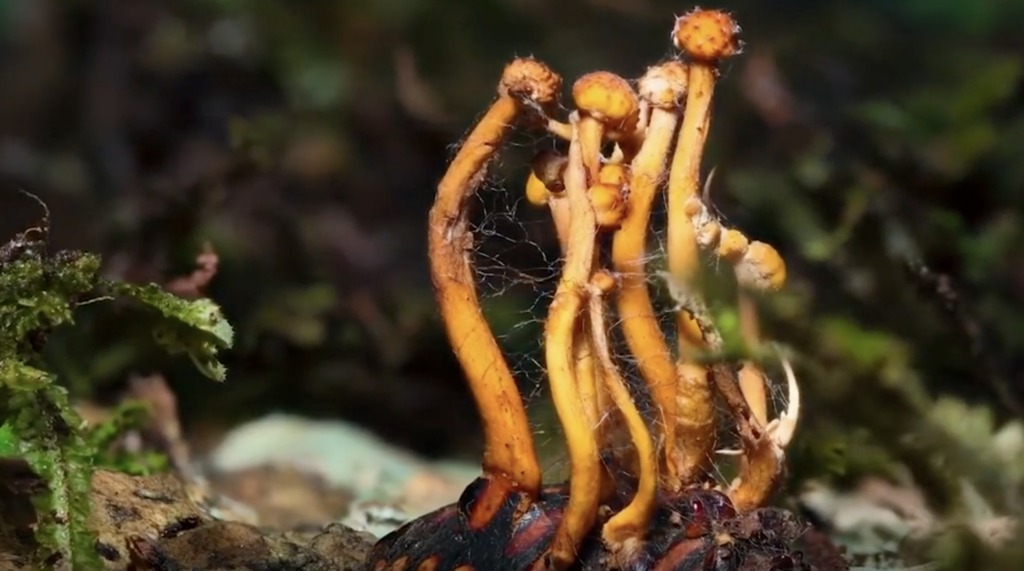
For humans, certain Cordyceps species have a completely different reputation. Some have been used in traditional practices and are now studied for possible effects involving energy, metabolism and immune function.
What makes these fungi so unsettling is the precision of their strategy. They do not simply kill an insect and move on.
They invade a living body, alter its behavior, guide its movements and eventually turn it into a vehicle for producing the next generation.
Nature does not always rely on claws, teeth or speed. Sometimes the most effective weapon is microscopic, operating silently inside another living creature until the victim is no longer completely in control of itself.