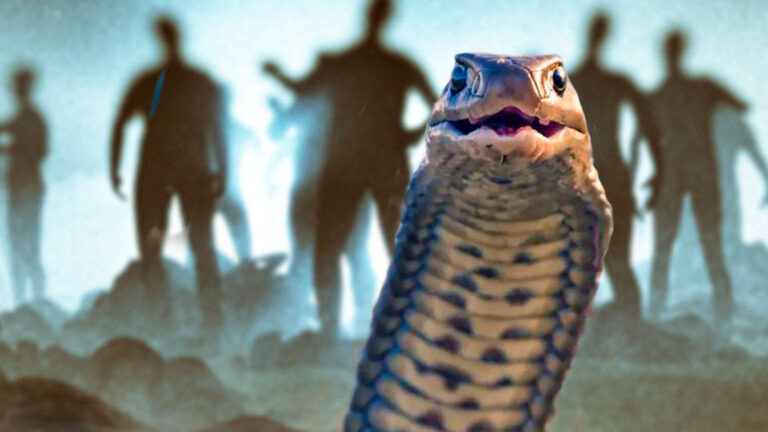
For thousands of years, snakes have been feared, hunted, and misunderstood. These creatures appear in almost every environment on Earth, from tropical jungles and deserts to farms, forests, and areas close to human homes. Many people see them only as dangerous predators, but removing snakes completely could create a problem far greater than the danger they represent.
So what would happen if humans decided to eliminate every snake on the planet? Could we actually achieve it? And would a world without snakes truly become safer?
The answer is much more complicated than most people expect.
Snakes are some of the most specialized hunters in nature. Their bodies have evolved over millions of years to help them survive in almost any environment. Even without traditional ears, they can detect vibrations traveling through the ground and identify nearby movement with incredible accuracy.
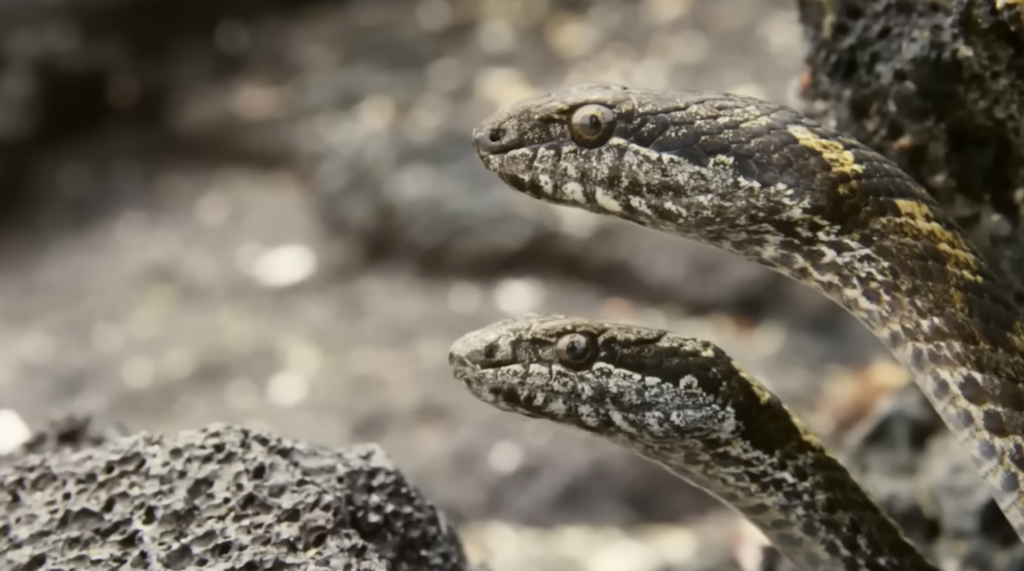
Many snake species have developed unique abilities that make them extremely effective predators. Some can sense heat coming from warm blooded animals, allowing them to locate prey even when visibility is almost impossible.
Their forked tongues collect tiny chemical particles from the environment, giving them information about nearby animals and potential threats. Their flexible jaws allow them to consume prey much larger than their own heads, making them perfectly adapted survivors.
Trying to remove all snakes from Earth would be an almost impossible task.
There are thousands of known snake species spread across every continent except Antarctica. They live in deserts, mountains, wetlands, forests, and even underground systems near human settlements. Finding every individual snake would require searching some of the most remote locations on the planet.
Snake bites are responsible for thousands of human deaths every year, especially in regions where medical treatment is difficult to access. Because of this, some people believe removing snakes would save countless lives.
However, eliminating an entire group of animals would create unexpected challenges.

One possible idea would be changing the environments where snakes live. Since snakes depend on external temperatures to regulate their bodies, some might assume that altering climates could reduce their populations.
But snakes have already shown how adaptable they can be. Certain species have survived extreme weather events, expanded into new territories, and continued reproducing in environments that were once considered unsuitable.
Another possibility would involve biological methods designed to reduce snake populations. However, introducing diseases or other control methods on a global scale could create consequences that are impossible to predict.
Nature is connected through countless relationships, and removing one group of animals can affect everything around it.
Imagine that humanity actually succeeded and every snake disappeared.
At first, the results might seem positive. There would be fewer venomous bites, fewer encounters in rural areas, and less fear of moving through forests or fields.
But ecosystems would begin changing almost immediately.

Snakes are important predators that control populations of rodents, insects, frogs, and other small animals. Without them, these populations could grow rapidly and create new problems for both wildlife and humans.
One of the biggest impacts would be on agriculture.
Rodents can destroy enormous amounts of crops and damage food supplies. Without snakes keeping their numbers under control, farmers could face larger infestations and would likely depend more on chemical pesticides. This could increase environmental damage and make food production more expensive.
The effects would also reach human health.
Large rodent populations can spread diseases because they often carry harmful organisms that can infect humans and other animals. Without natural predators controlling these populations, the risk of certain outbreaks could increase.
Other animals would also suffer from the disappearance of snakes.
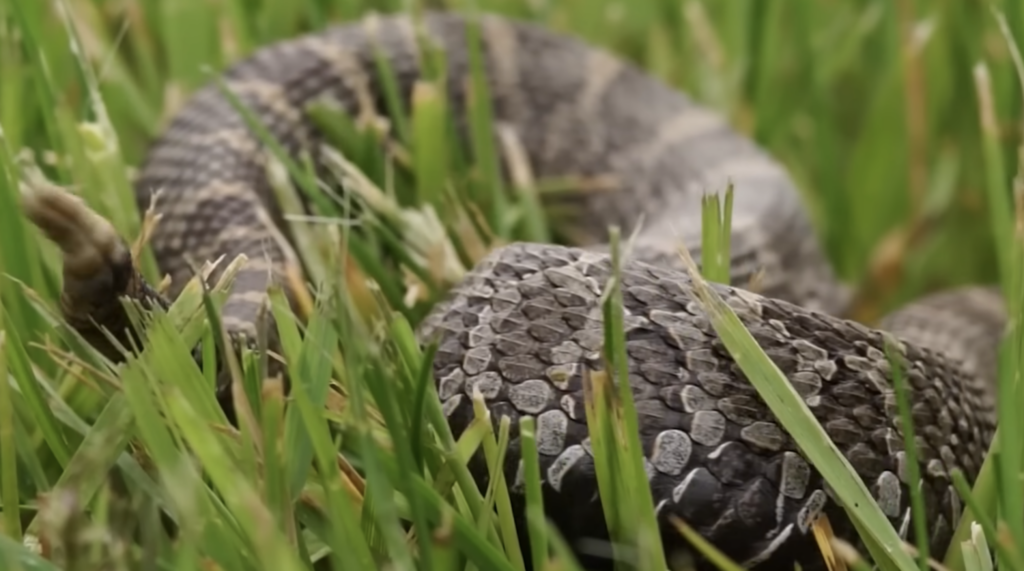
Many predators depend on snakes as a food source. Birds of prey, wild mammals, and other hunters that rely on reptiles would lose an important part of their diet. Some species could decline because their food chains would no longer function properly.
Humans would lose benefits as well.
Snake venom has helped scientists develop important medical discoveries. Compounds found in venom have been studied for treatments related to blood pressure, heart conditions, and other diseases. Losing snakes could mean losing valuable biological resources that researchers are still exploring.
In the end, killing every snake on Earth would not create a perfect world without danger.
Instead, it could create a planet with new and unexpected problems.
Snakes may be frightening, but they are an essential part of nature. They help control populations, protect ecosystems, and maintain balance between different species.
The lesson is clear. Even creatures that humans fear have an important role in keeping the planet healthy.