Somewhere under the street you live on, there is a pipe. And in this scenario, it is about to burst.
The plan is simple and completely insane. Everyone on Earth flushes at the same moment, the biggest flush mob in human history, sending all the wastewater on the planet down the drain in a single coordinated push.
Could the world’s sewer systems survive that? Or does it end with pipes detonating underground and the contents of every toilet on your block rising back up through the pavement?
Let us find out what actually happens during a flushpocalypse.
First, a little perspective on how much of our lives this involves. The average human spends roughly 13 months of their life on the toilet. Over a year, sitting there.
But flushing is only routine for two thirds of the planet. Around 2.4 billion people have no access to proper sanitation at all, which is worth remembering before we treat this as pure comedy.
That still leaves us with over 5 billion participants and at least 2.5 billion flush toilets ready to fire simultaneously.
So what is the worst that could happen? The honest answer spans a huge range, from nothing much at all to pipes exploding beneath the roads. And yes, one version of this ends with waste climbing back into your house.
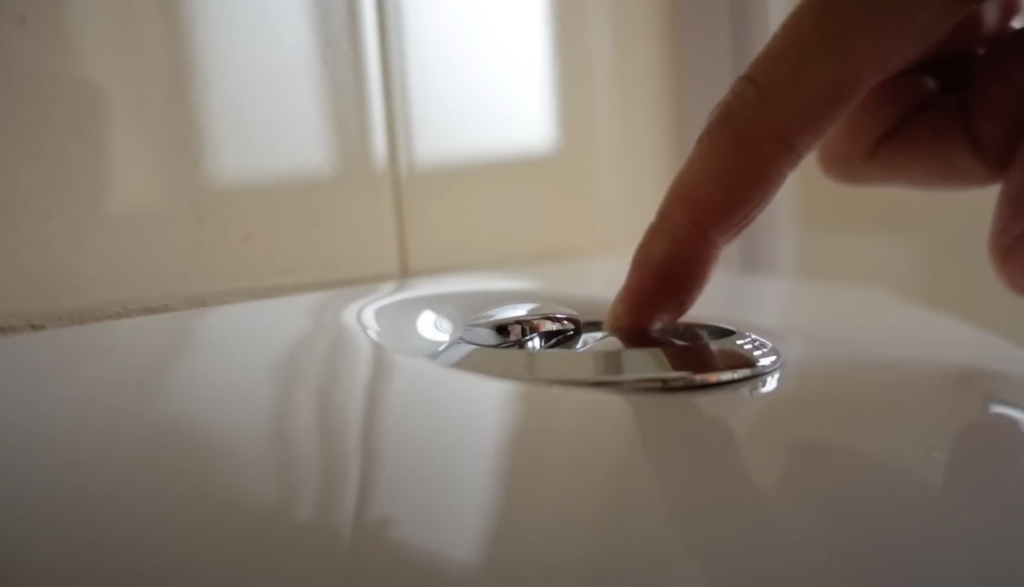
To understand why, follow what happens after you press the handle.
Your waste drops into the pipe and enters the sewer system, first running through a network of smaller pipes beneath the street, then feeding into progressively larger ones, all heading toward your local wastewater treatment plant.
Those plant pipes are built to hold an enormous volume. The question nobody has ever tested is whether they can hold everything at once.
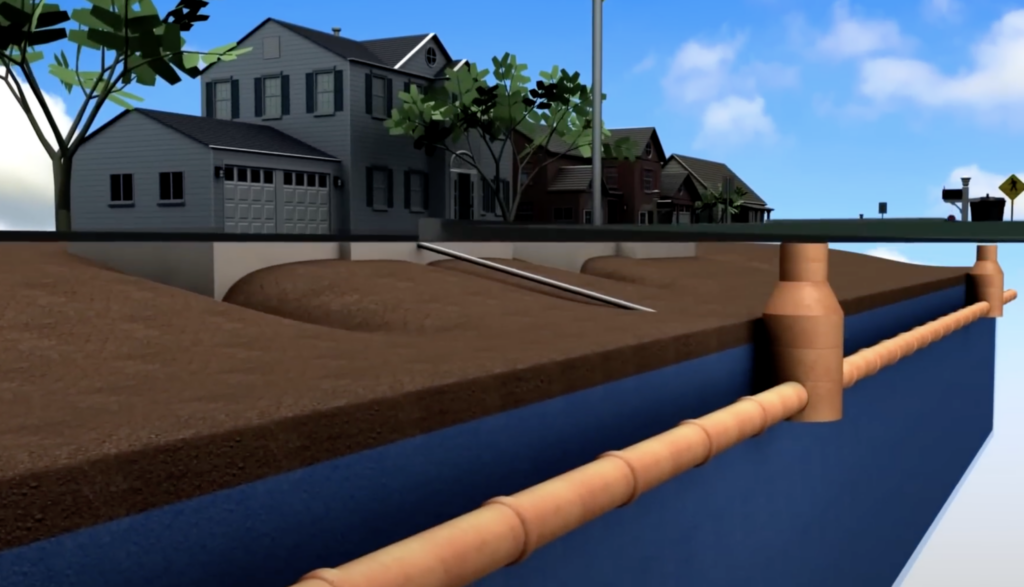
Here is where the failure would start, and it is not where most people expect.
The first casualties would be the lift stations. These are the workhorses of the system, pumping waste uphill toward the treatment plant, fighting gravity on behalf of the entire neighborhood.
And there is a hard limit to how much you can push up a pipe.
Once that limit is passed, the pipe stops accepting anything new. But the waste does not simply stop. It has to go somewhere, and the only direction left is backward, toward where it came from.
Which is your bathroom.
Your toilet begins overflowing with everything that was supposed to reach the treatment plant. And it does not stop at the toilet, because every wastewater line in your home connects to the same system. Your shower. Your sink. Even your washing machine.
Outside, it gets worse. Not every pipe in the network can absorb that kind of pressure, and many would rupture underground, tearing open beneath the pavement and flooding the streets above with everything the city had been quietly carrying away.
That is the nightmare version. Now the reassuring one.
The whole disaster depends on a false assumption, that flushing simultaneously means arriving simultaneously. It does not. Your waste has to travel a different distance than the waste of the person two blocks over, so the system receives the flood in waves rather than as one impossible surge.
Depending on how well your local sewer network is built, the pipes might handle the flushpocalypse without breaking a sweat.
In that case, the only real consequence of the largest coordinated flush in history would be a spectacular waste of water.
Which lands on the one detail worth keeping after the joke is over. While billions of us flush freely without thinking about it, 2.4 billion people have no toilet to flush at all. Making do outdoors, they risk contaminating their own water sources and falling ill from waterborne diseases.
The flush you take for granted is the same infrastructure a third of the planet is still waiting for.