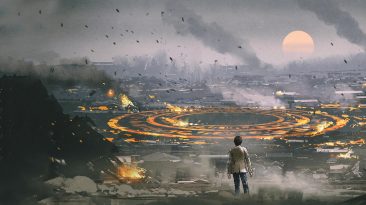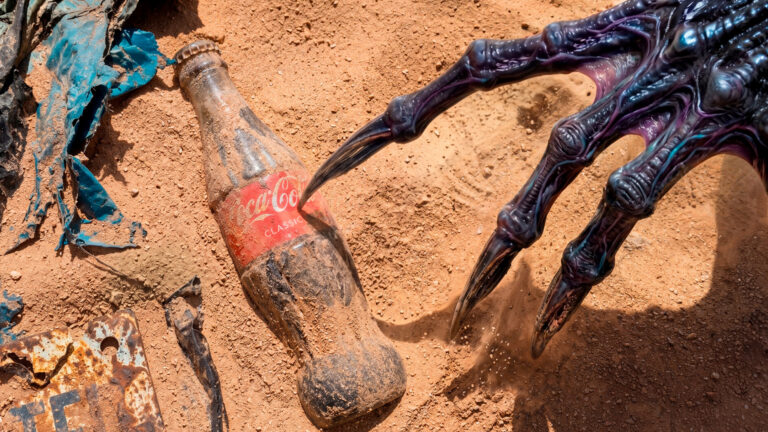
Imagine waking up one day to find that every human on Earth has vanished. No warning. No survivors. Cities stand exactly as they were the day before, but every street is silent. Cars sit abandoned in traffic. Airplanes remain grounded. Homes, offices, and schools are empty. At first glance, it would seem as if the world had simply paused.
But it wouldn’t stay that way for long.
Without people maintaining the systems that keep civilization running, Earth would begin changing almost immediately. Over the coming days, decades, centuries, and even millions of years, nature would slowly reclaim everything humans ever built. So what would Earth actually look like without any humans?
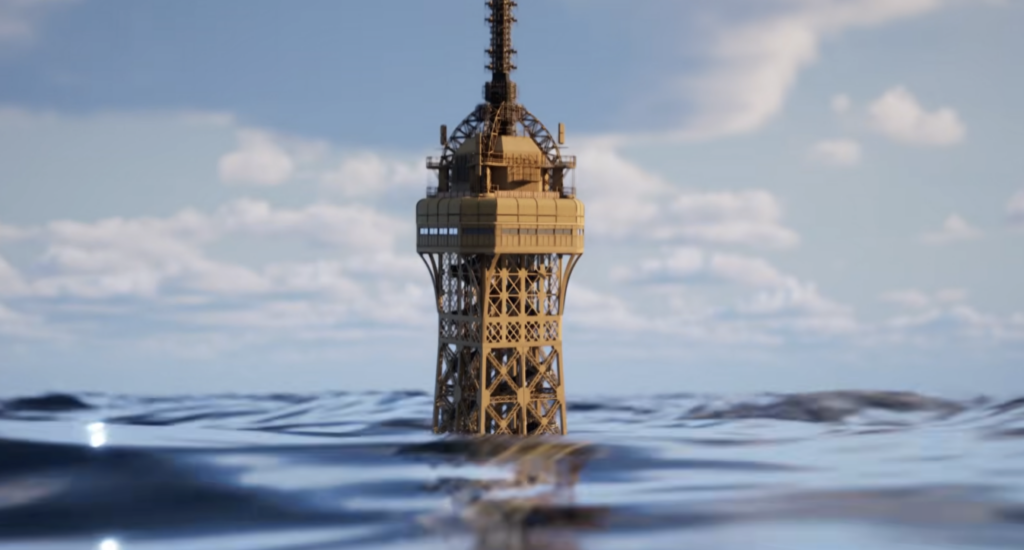
The First Days Without Humanity
During the first day, electricity would still flow across much of the planet. Traffic lights would continue changing colors even though nobody was waiting to cross the street. Hydroelectric dams, nuclear power stations, and renewable energy facilities would continue operating automatically for a short time.
Hospitals would switch to backup generators, while homes would still have heating, cooling, and running water. From the outside, cities like New York, London, and Tokyo would appear surprisingly normal, just completely empty.
Wildlife, however, would waste no time exploring. Dogs, cats, squirrels, deer, coyotes, and countless birds would wander freely through streets once packed with people.
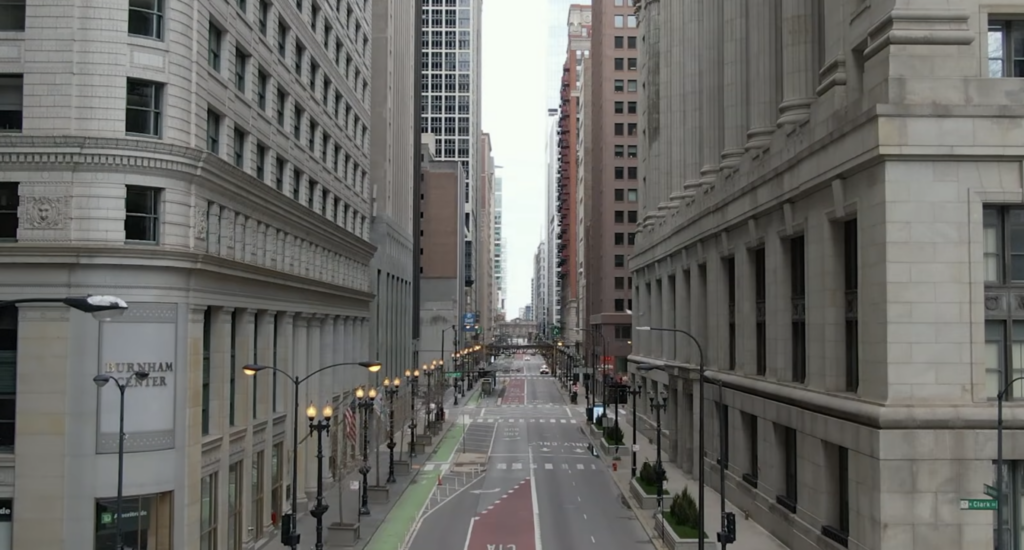
One Month Later
Within days, power grids would begin shutting down as automated safety systems detected faults that no human engineers were around to fix. Backup generators would eventually run out of fuel, plunging cities into darkness.
Heating systems would fail in colder regions, while food stored in refrigerators would spoil almost everywhere. Water treatment plants would stop working, leaving homes without clean running water.
Pets trapped indoors would struggle to survive, while many farm animals and zoo animals would either escape or perish. Meanwhile, feral dogs would begin forming packs, and wild animals would steadily move deeper into urban environments.
The comforts of modern life would disappear surprisingly fast because even highly automated infrastructure still depends on human maintenance.

Could One Person Survive?
If somehow one person remained alive after everyone else disappeared, survival would be possible for quite some time.
Supermarkets would contain years of canned food. Fuel, bottled water, abandoned homes, and supplies would be everywhere. Solar panels could provide electricity, and books would become an invaluable source of knowledge once the internet inevitably went offline.
However, maintaining even a simple lifestyle would become increasingly difficult as equipment failed and spare parts became impossible to replace.
Nature Starts Taking Over
Once humans were gone, nature would begin reclaiming the planet at an astonishing pace.
Weeds would crack through sidewalks and roads. Vines would climb office buildings. Trees would grow through rooftops, while birds nested inside abandoned shopping malls and skyscrapers.
Within just a few years, cities would begin looking less like places built by humans and more like forests interrupted by crumbling buildings.
Forests that humans had carefully managed would experience massive wildfires without firefighters to stop them. Rivers would change course as dams deteriorated, flooding valleys and former farmland.
Decades of Decay
Most modern homes are designed to last for decades, but only if they receive constant maintenance.
Without repairs, roofs would begin leaking within twenty years. Water would rot wooden structures, mold would spread through walls, and insects would accelerate the decay.
Apartment buildings and office towers would also begin failing. Window seals would deteriorate, allowing moisture inside. Steel reinforcement bars hidden inside concrete would rust, expand, and crack the surrounding structures.
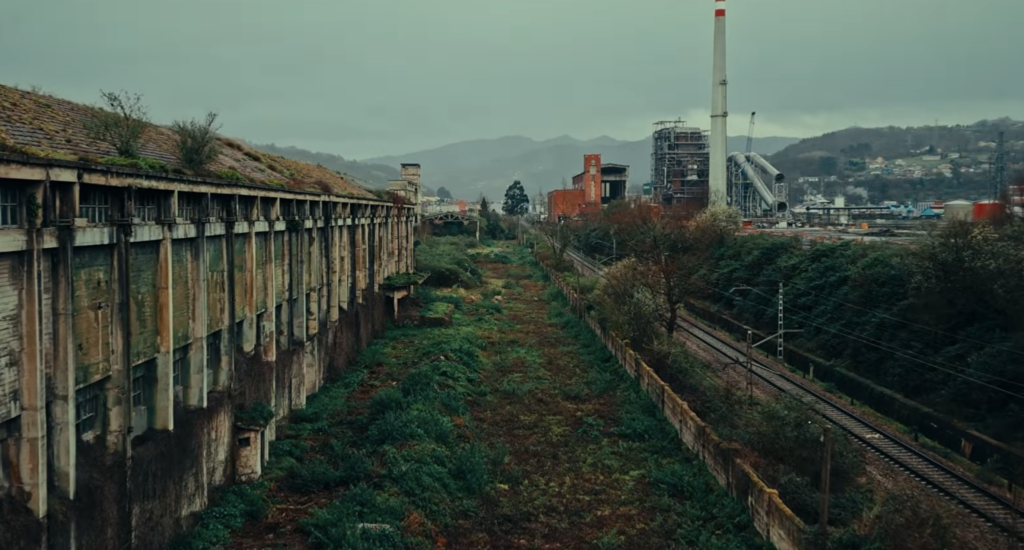
Within fifty years, many modern skyscrapers would begin collapsing.
Bridges would suffer the same fate. Steel cables would corrode, concrete would fracture during freeze and thaw cycles, and suspension bridges would eventually plunge into rivers or oceans below.
One Hundred Years Later
After a century without people, most of the infrastructure that defines modern civilization would be gone.
Roads would be buried beneath vegetation. Neighborhoods would become forests. Airports would disappear beneath grasslands.
Only the strongest structures would still remain standing. Massive stone buildings, ancient cathedrals, government buildings, and monuments would survive far longer than modern glass towers.
Wildlife would thrive in the absence of hunting, pollution, and habitat destruction. Regions once crowded with humans would become sanctuaries for countless species.
One Thousand Years Later
By the time a thousand years had passed, almost every recognizable city skyline would have vanished.
The towering skyscrapers of today’s financial districts would have collapsed into piles of rusted steel and broken concrete. Famous monuments would also begin falling apart.
Even incredibly durable structures like Rome’s Pantheon would eventually succumb to weather, erosion, and plant growth without constant maintenance.
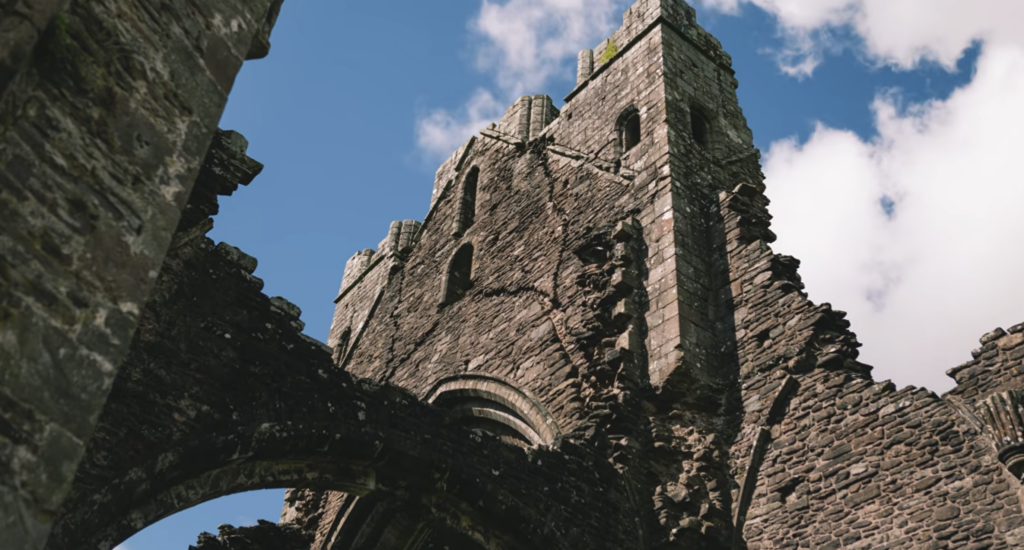
The world’s oldest stone structures would outlast nearly everything else. Ancient pyramids, temples, and burial mounds would remain partially intact while forests and deserts slowly buried them beneath layers of soil.
Ten Thousand Years Later
After ten millennia, Earth would barely reveal that an advanced civilization had ever existed.
Forests would cover former cities. Jungles would swallow highways. Sand dunes would bury entire settlements.
Many ancient human structures would still exist underground, much like archaeological sites that have survived for thousands of years beneath forests, deserts, and farmland.
Future explorers equipped with advanced scanning technology might detect hidden foundations beneath the landscape, just as archaeologists discover forgotten civilizations today.
One Hundred Thousand Years Later
Eventually, even the strongest stone buildings would crumble.
Concrete would erode into sand. Steel would oxidize into soil. Cities would become little more than subtle rises in the landscape. The natural world would be thriving. Species once pushed to the edge of extinction would reclaim their habitats.
Orangutans, leopards, gorillas, rhinos, condors, and countless other animals could flourish without human interference.
Interestingly, humanity’s most enduring living legacy might not be our technology but our pets. Cats would adapt remarkably well to the wild, while dogs would continue evolving into new wild species, much like dingoes descended from domestic dogs thousands of years ago.
The Last Traces of Humanity
Long after every city has disappeared, some evidence of our existence would remain underground.
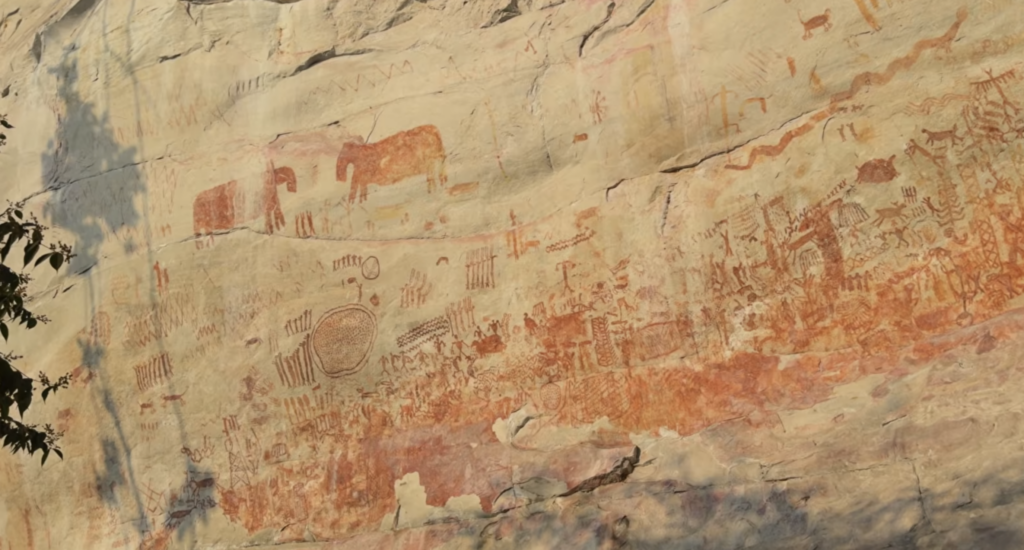
Deep mines, subway tunnels, seed vaults, nuclear waste repositories, and cave art could survive for extraordinary lengths of time.
Eventually, tectonic plates would recycle even these remnants back into Earth’s interior. Yet our fossils would likely endure for hundreds of millions, or even billions, of years, much like dinosaur fossils still do today.
In fact, Earth may never completely erase humanity’s existence.
Our final traces could survive until the distant future, when the Sun expands into a red giant roughly five billion years from now, transforming the entire planet beyond recognition.
Earth Would Heal, But It Would Never Completely Forget
If every human suddenly disappeared, Earth would not remain frozen in time. Civilization would unravel surprisingly quickly, while nature slowly reclaimed every road, building, and city we left behind.
Within a century, much of the modern world would already be collapsing. After thousands of years, our greatest cities would lie hidden beneath forests and deserts. And after hundreds of thousands of years, only fossils and a few buried relics would hint that humans ever existed.
Earth has erased countless civilizations before, but it never truly forgets. Long after our skyscrapers have turned to dust, the planet would still preserve the story that, for a brief moment in its history, humans were here.