When most people think of Ancient Egypt, they picture towering pyramids, golden treasures, and powerful rulers commanding vast kingdoms. While those images are certainly part of the story, everyday life in Ancient Egypt was often very different from what movies and television portray.
For more than 3,000 years, Ancient Egypt remained one of the world’s most successful civilizations. Its people developed impressive engineering techniques, advanced mathematics, sophisticated agriculture, and a culture that continues to fascinate historians today.
But what was daily life actually like for the millions of people who lived along the Nile?
Ancient Egyptian society was organized into a strict hierarchy. At the very top stood the ruler, followed by nobles, priests, officials, and military leaders. Below them were skilled workers, scribes, craftsmen, merchants, and farmers. At the bottom were servants and laborers who performed much of the physically demanding work.
Your position within this social structure shaped almost every aspect of your life. It influenced where you lived, what you ate, the work you performed, and even the opportunities available to your children.
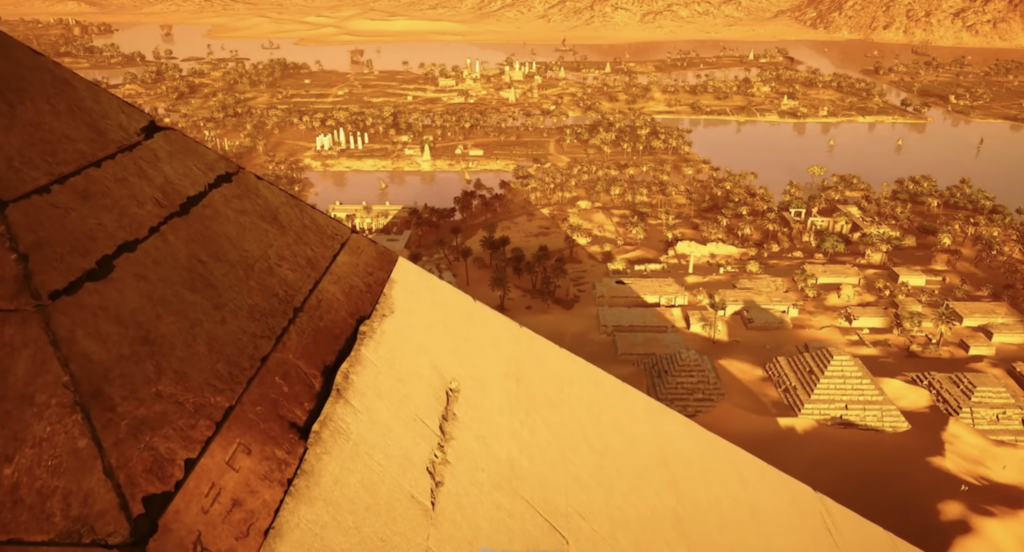
Most Egyptians were not wealthy nobles or famous rulers. The majority worked as farmers, growing crops along the fertile banks of the Nile River. The annual flooding of the Nile provided rich soil that allowed communities to produce wheat, barley, vegetables, and fruit.
Without the Nile, Ancient Egypt would never have become one of history’s great civilizations.
At the top of society stood the ruler we now call a pharaoh. Egyptians viewed their ruler as a vital connection between the gods and the people. Maintaining harmony throughout the kingdom was considered one of the ruler’s most important responsibilities.
Interestingly, not every ruler was a native Egyptian man. Throughout Egyptian history, women and foreign born leaders occasionally held power as well. What mattered most was their ability to govern and maintain stability within the kingdom.
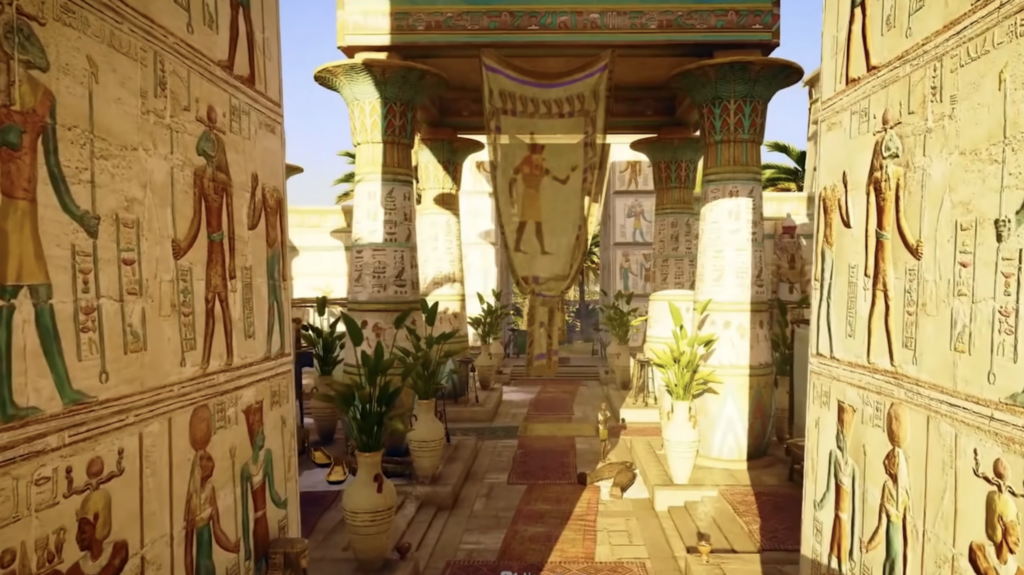
Religion influenced nearly every aspect of life. Egyptians worshipped a vast collection of gods associated with nature, the Sun, the Nile, fertility, death, and the afterlife. Temples served not only as religious centers but also as important economic and political institutions.
Many people believed that life continued after death, which explains why tombs, burial rituals, and mummification became such important parts of Egyptian culture.
For wealthy families, life could be remarkably comfortable. Large homes provided space for servants, storage rooms, gardens, and areas for entertaining guests. Nobles often wore fine linen clothing and decorated themselves with jewelry made from gold and precious stones.
Meals for the elite included fish, poultry, beef, fruits, vegetables, and imported luxuries. Banquets featured music, dancing, and elaborate displays of wealth that reinforced social status.
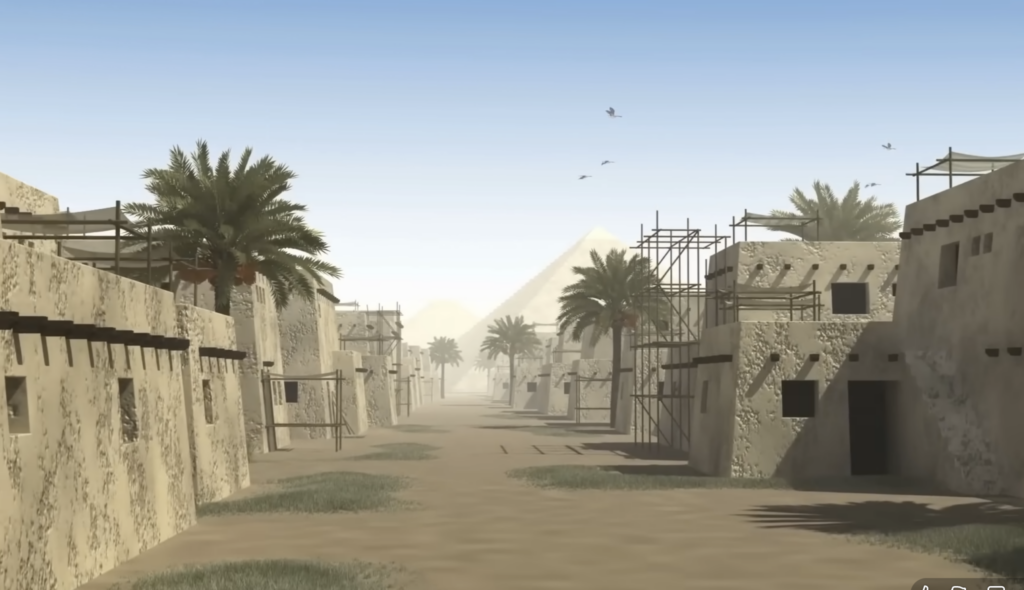
Meanwhile, ordinary Egyptians lived much simpler lives. Most families occupied modest homes made from mud bricks. These houses helped keep interiors cool during the intense heat of Egyptian summers.
Their daily routines centered around work, food preparation, family responsibilities, and religious observances.
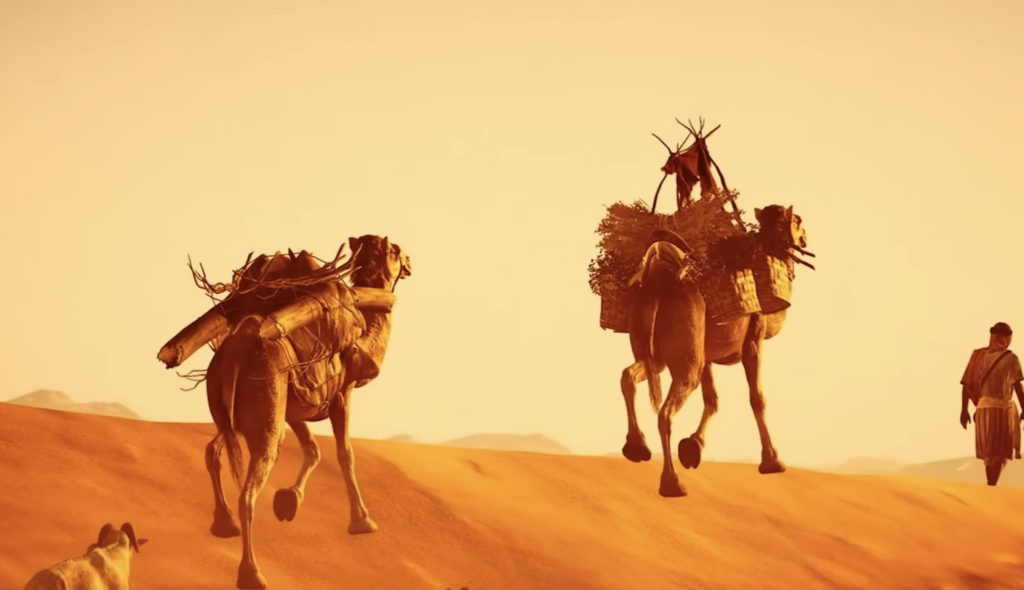
Farmers worked long hours tending crops and livestock. Their success depended heavily on the behavior of the Nile. A good flood could produce abundant harvests. Poor flooding could lead to hardship throughout entire communities.
Bread and beer formed the foundation of the Egyptian diet. Garlic, onions, vegetables, and occasional meat supplemented daily meals. While modern people may find that menu repetitive, these foods provided the nutrition needed to sustain a large population.
Women played important roles within households and society. Compared with many other ancient civilizations, Egyptian women enjoyed notable legal rights. They could own property, inherit wealth, manage businesses, and participate in legal contracts.
Although social expectations differed for men and women, Egyptian women generally possessed more legal independence than many of their counterparts elsewhere in the ancient world.
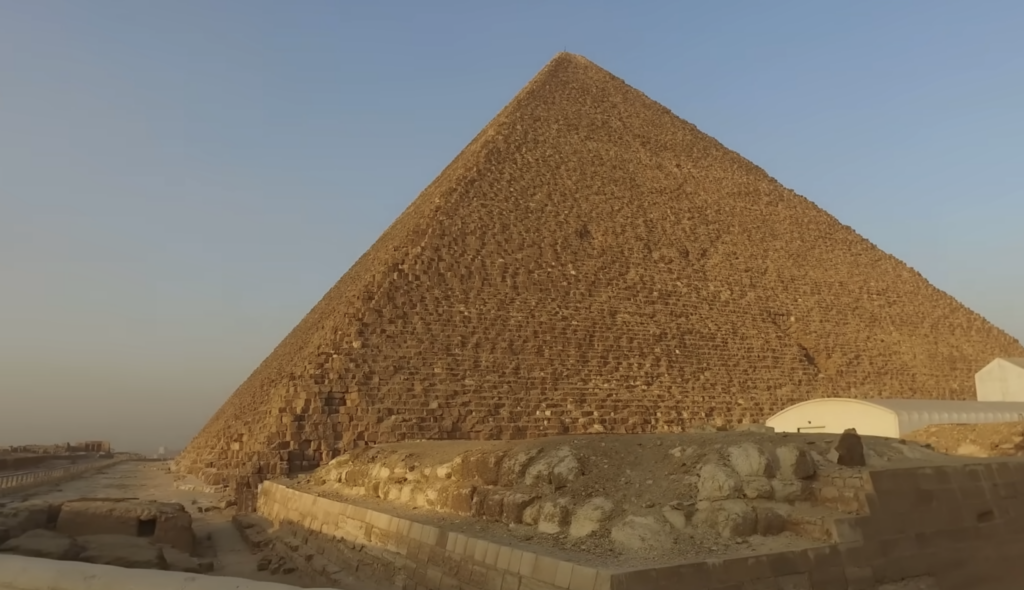
Some workers participated in the construction of monuments that still stand today. Contrary to popular myths, many pyramid builders were skilled laborers rather than slaves. These workers lived in organized communities and received food, shelter, and medical care while contributing to massive state projects.
Building a pyramid required incredible planning, engineering, and coordination. Entire careers could be spent working on a single monument destined to outlive its builders by thousands of years.
The work was difficult, but it also carried prestige because these structures honored rulers and reflected the power of Egypt itself.
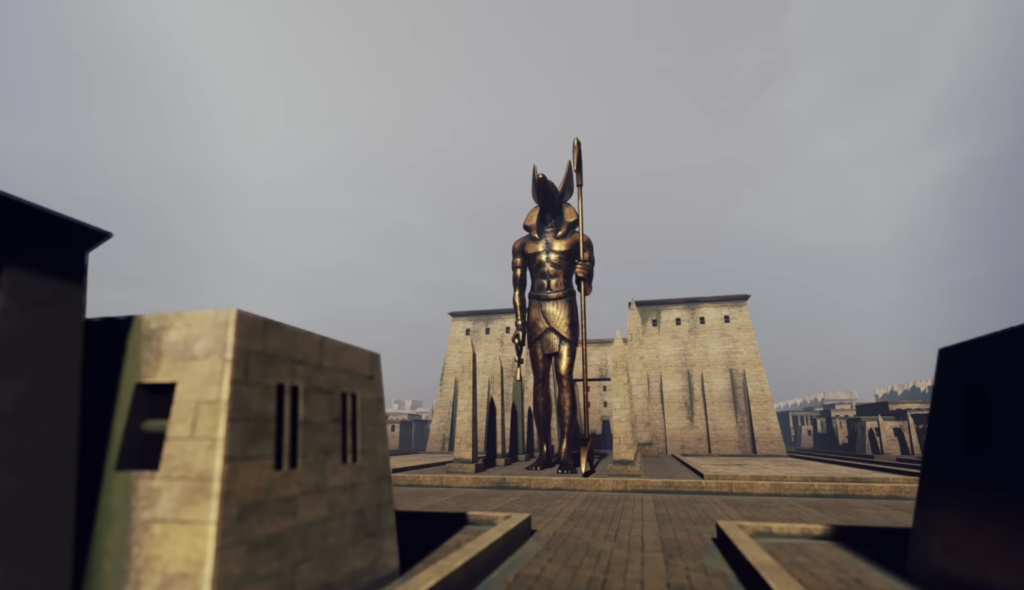
When work was finished, Egyptians still found time for entertainment. Board games such as Senet were popular throughout society. Music, storytelling, festivals, and religious celebrations brought communities together throughout the year.
Life in Ancient Egypt was not always easy. Droughts, political instability, and poor harvests could create enormous challenges. Yet compared with many societies that followed, Ancient Egypt offered remarkable stability for long periods of its history.
That stability allowed one of humanity’s greatest civilizations to flourish beside the Nile for thousands of years, leaving behind monuments, inventions, and traditions that continue to shape our understanding of the ancient world today.