NASA has accomplished some of humanity’s greatest achievements. It put astronauts on the Moon, explored every planet in our Solar System, launched revolutionary space telescopes, and helped build the International Space Station. All of this was done with a budget that is only a small fraction of what the United States spends on defense each year.
But what if that changed?
Imagine NASA suddenly receiving the same annual funding as the U.S. military, roughly $600 billion. How much faster could space exploration progress? Could humans finally establish permanent settlements beyond Earth? And would space travel become part of everyday life?
The possibilities would be extraordinary.
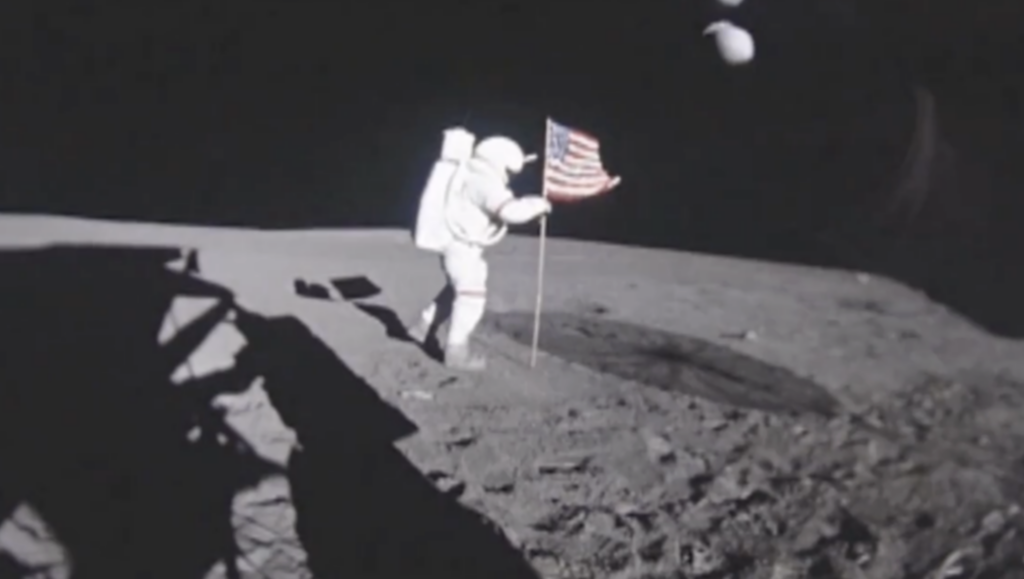
During the height of the Apollo program in 1969, NASA received its largest budget ever. Adjusted for inflation, the agency was spending around $170 billion in today’s dollars as it raced to land humans on the Moon. That investment achieved one of the greatest technological milestones in history.
After the Moon landing, however, NASA’s funding gradually declined. Today, its annual budget sits at roughly $20 billion, enough to support scientific research, robotic missions, satellite development, and human spaceflight, but far from enough to pursue every ambitious idea on the drawing board.
If NASA suddenly had access to hundreds of billions of dollars every year, the pace of exploration would change dramatically.
One of the first beneficiaries would likely be the International Space Station. The ISS has served as a laboratory in orbit since 1998, hosting astronauts from around the world and enabling thousands of scientific experiments. With significantly greater funding, the station could remain operational for decades longer while supporting larger crews and more advanced research into human health, biology, and long duration space travel.
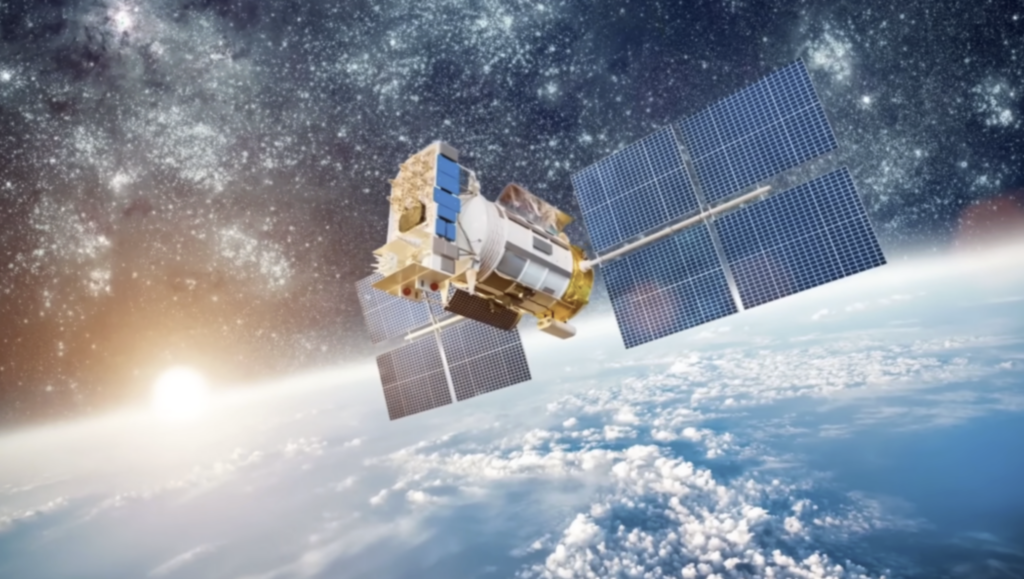
Major scientific observatories would also become much easier to build. Projects similar to the James Webb Space Telescope often require decades of planning, engineering, and testing because of limited budgets and strict funding schedules. With far greater financial resources, NASA could develop multiple next generation telescopes simultaneously, allowing astronomers to study distant galaxies, exoplanets, and the origins of the universe at an unprecedented pace.
The biggest transformation, however, would likely happen much closer to home.
Mars has long been considered humanity’s next great destination, but sending astronauts there is one of the most expensive engineering challenges ever attempted. Estimates for a complete crewed Mars program range into the hundreds of billions of dollars when spacecraft development, life support systems, launch vehicles, surface habitats, and return missions are included.
With a military sized budget, those costs would no longer delay the project for decades. NASA could accelerate spacecraft development, expand partnerships with private companies such as SpaceX, and begin building the infrastructure needed for regular missions to the Red Planet.
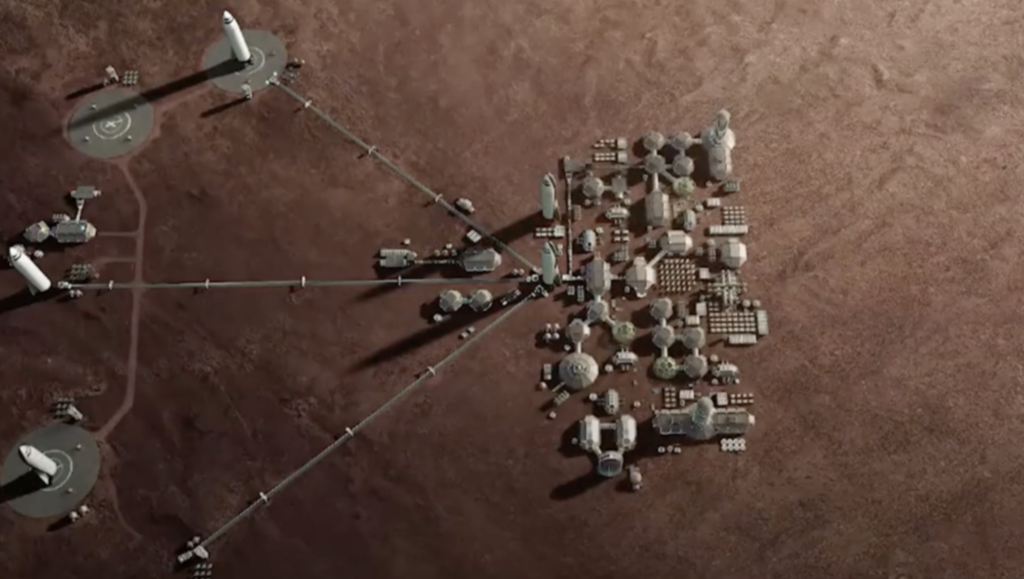
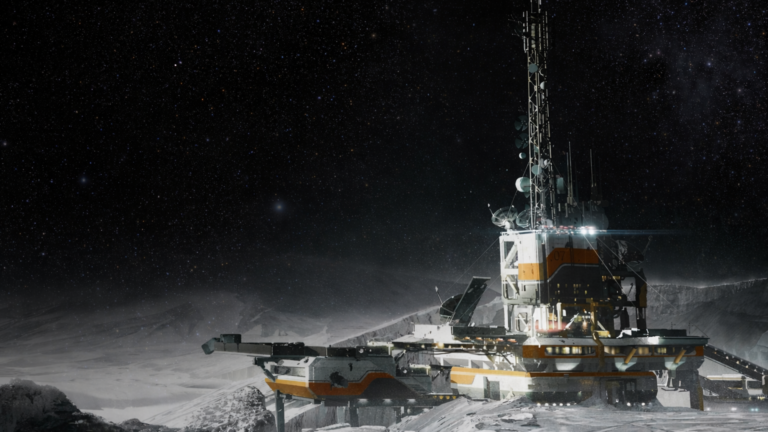
A permanent lunar base would almost certainly come first.
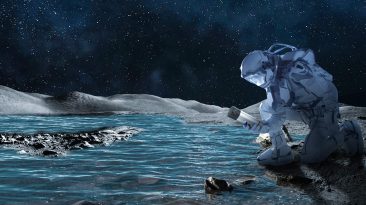
Instead of short visits like the Apollo missions, astronauts could live and work on the Moon for extended periods. Lunar habitats would serve as testing grounds for life support systems, resource extraction technologies, and construction techniques needed before attempting permanent settlements on Mars. Because the Moon’s gravity is much weaker than Earth’s, it would also become an ideal launch point for deeper missions into the Solar System.
Beyond Mars, NASA could push robotic exploration much further.
Missions to icy worlds such as Jupiter’s moon Europa could be expanded dramatically. Europa is believed to hide a vast liquid ocean beneath its frozen surface, making it one of the most promising places to search for extraterrestrial life. Increased funding could allow multiple spacecraft to explore the moon instead of relying on a single mission.
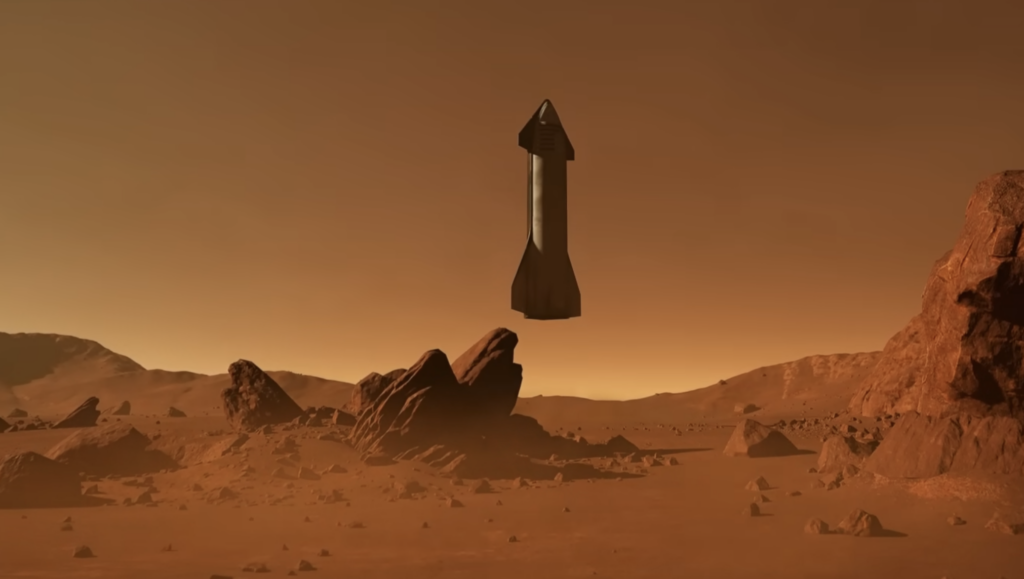
Scientists could also launch more probes to Saturn’s moon Enceladus, the dwarf planet Pluto, and even the distant objects of the Kuiper Belt, answering questions about how our Solar System formed.
A larger budget would not only build spacecraft. It would also invest heavily in the people who travel aboard them.
Researchers could perform far more studies on how the human body responds to years in space, develop better radiation protection, improve artificial gravity concepts, and create more advanced life support systems. These technologies would be essential if humans ever hope to establish permanent communities beyond Earth.
Commercial space travel could also grow much faster.
As launch technology became cheaper and more reliable through increased investment, private companies might begin offering routine trips to low Earth orbit, lunar orbit, or even the Moon itself. Space tourism, which is currently limited to a handful of wealthy passengers, could eventually become far more accessible.
Could we even reach another star system?
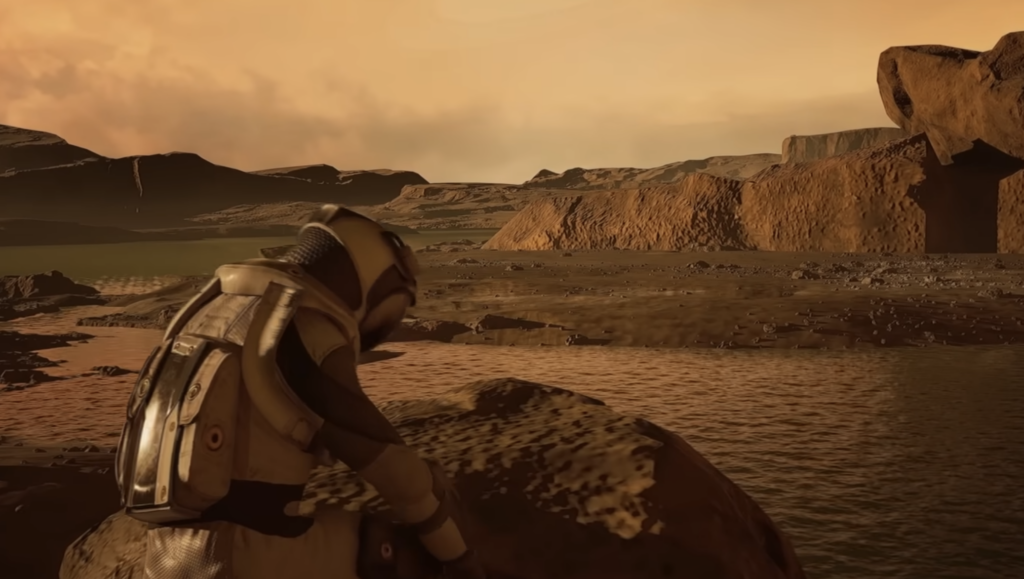
Unfortunately, even a $600 billion annual budget would not solve one enormous obstacle: distance. The nearest star beyond our Sun is more than four light years away. With today’s propulsion technology, reaching it would still take tens of thousands of years. Revolutionary breakthroughs in propulsion would be needed before interstellar travel became realistic.
Still, a dramatically larger NASA budget could transform humanity into a true spacefaring civilization within our own Solar System.
Permanent Moon bases, the first cities on Mars, more powerful telescopes, deeper exploration of distant worlds, and breakthroughs in human spaceflight could all arrive much sooner than expected.
The biggest question is not whether we have the technology to begin many of these projects.
It is whether we are willing to invest enough to make them happen.