The numbers are hard to ignore.
According to United Nations assessments, the world has roughly a decade to make dramatic cuts in greenhouse gas emissions if it hopes to avoid the worst impacts of climate change.
Rising temperatures, extreme weather, and long term environmental disruption are already underway. The question is no longer whether change is needed, but who is responsible for making it happen.
And the answer is more concentrated than many people realize.
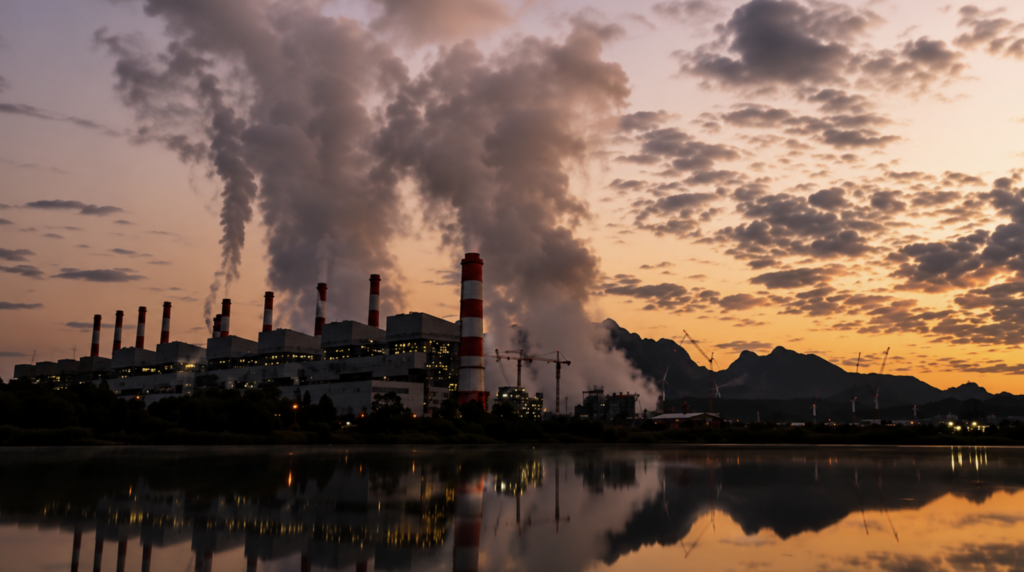
A major analysis from the Carbon Majors Database suggests that just 100 companies are responsible for approximately 70 percent of global industrial emissions since the late 20th century. These findings point to a small group of corporate and state owned producers playing an outsized role in shaping the planet’s climate future.
These companies are primarily involved in fossil fuel production. Coal, oil, and gas extraction remain at the center of global energy systems, and the scale of their output has made them the dominant contributors to carbon emissions worldwide.
Since 1988, these major producers have collectively driven a significant share of global warming emissions. Many are large multinational corporations, while others are state owned energy companies operating at national scale. Together, they form the backbone of the modern energy economy.
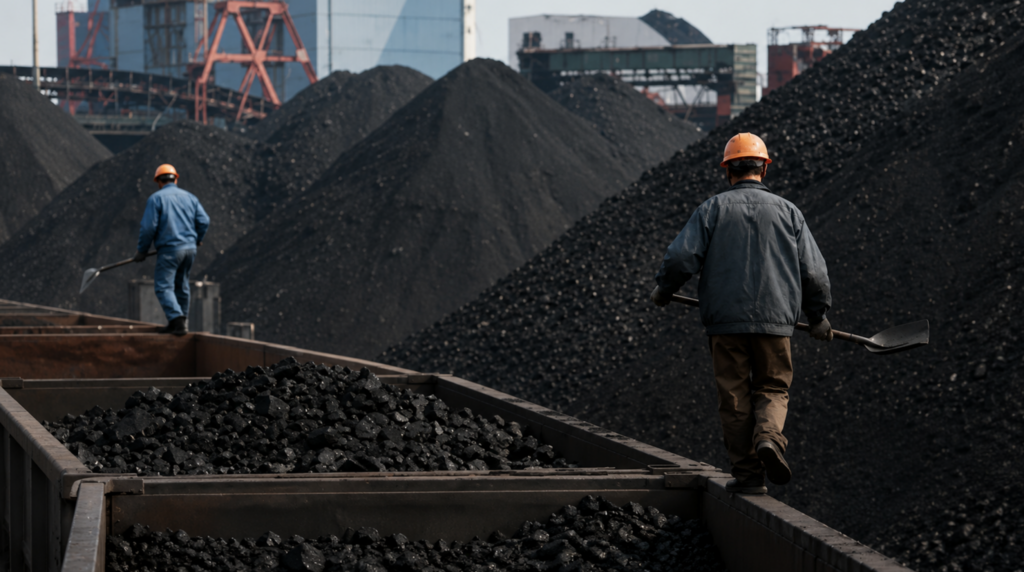
Among the most significant contributors is coal production in China, which alone accounts for roughly 14 percent of global emissions. Coal remains a primary energy source in many developing and industrialized regions, despite global efforts to transition toward cleaner alternatives.
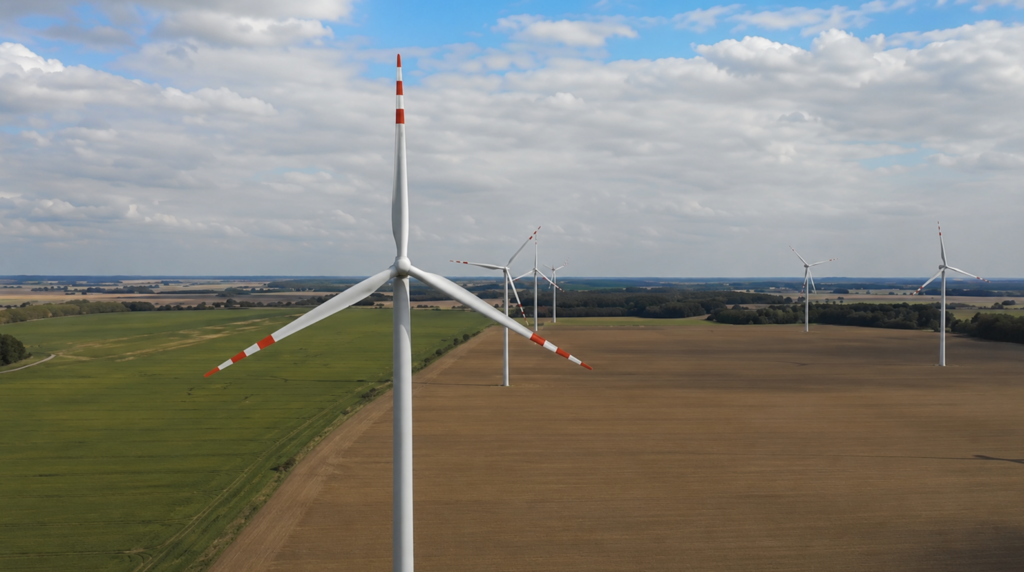
Some of these companies have begun investing in renewable energy projects. Wind, solar, and other low carbon technologies are increasingly part of corporate strategies. However, researchers caution that these changes, while notable, are not yet sufficient to offset the scale of fossil fuel production.
The core issue is not partial transition, but system level dependence. Many of these companies would need to fundamentally restructure their business models to create a meaningful impact on global emissions. Incremental changes, according to climate scientists, are unlikely to be enough on their own.
This places the responsibility on a small number of powerful actors with global influence.
The Carbon Majors findings highlight a difficult reality. While individuals are often encouraged to reduce their carbon footprints through lifestyle changes, the largest share of emissions is tied to industrial scale production systems that operate far beyond personal consumption.
This raises a critical question about the future of energy and responsibility.
Should these companies continue operating under current models to satisfy economic demand and shareholder expectations? Or should they lead a rapid transition toward cleaner energy, even if it means restructuring their core business?
The answer will shape the decades ahead.
Climate change is not driven by a single cause, but by a system of production and consumption that spans the globe. However, within that system, a relatively small number of organizations have an outsized influence on the total emissions entering the atmosphere.
What happens next depends on decisions made at the highest levels of industry and government. The transition away from fossil fuels is not just a technological challenge. It is an economic and political one as well.
The future of the planet may ultimately rest in the hands of these 100 companies, and whether they choose to continue on their current path, or become part of the solution.