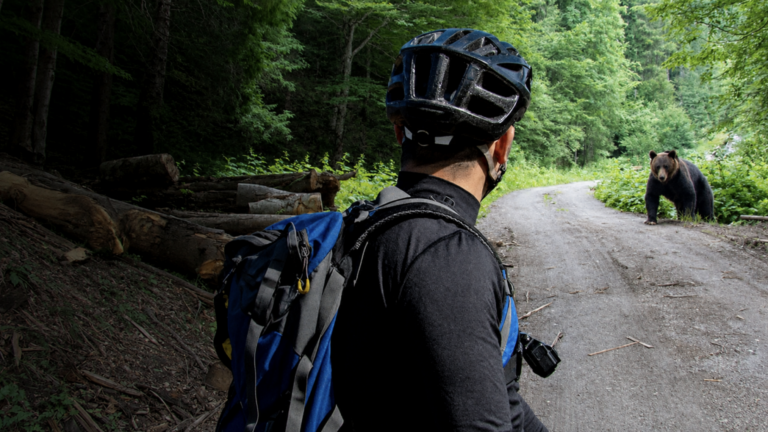
A quiet walk through untouched wilderness can turn terrifying in an instant if you cross paths with one of the most powerful predators on land. Bears rank among the largest carnivores anywhere on Earth, combining tremendous strength, surprising speed, and the potential for real aggression the moment they feel threatened. So what genuinely happens if you end up standing face to face with one, and would you actually have a real shot at walking away?
Their fearsome reputation aside, attacks from bears remain fairly uncommon overall, with only a small number of serious incidents reported globally each year. Most bears actively avoid people whenever possible. That said, when an encounter does turn dangerous, the outcome tends to hinge heavily on which species is involved and how the person responds in the moment.
Consider waking up at a campsite and stepping out of your tent only to find a black bear sniffing around food that got left out overnight by mistake. As frightening as that sight would be, black bears rarely turn aggressive without a clear reason, and most confrontations happen simply because the animal feels cornered or is guarding a nearby food source.
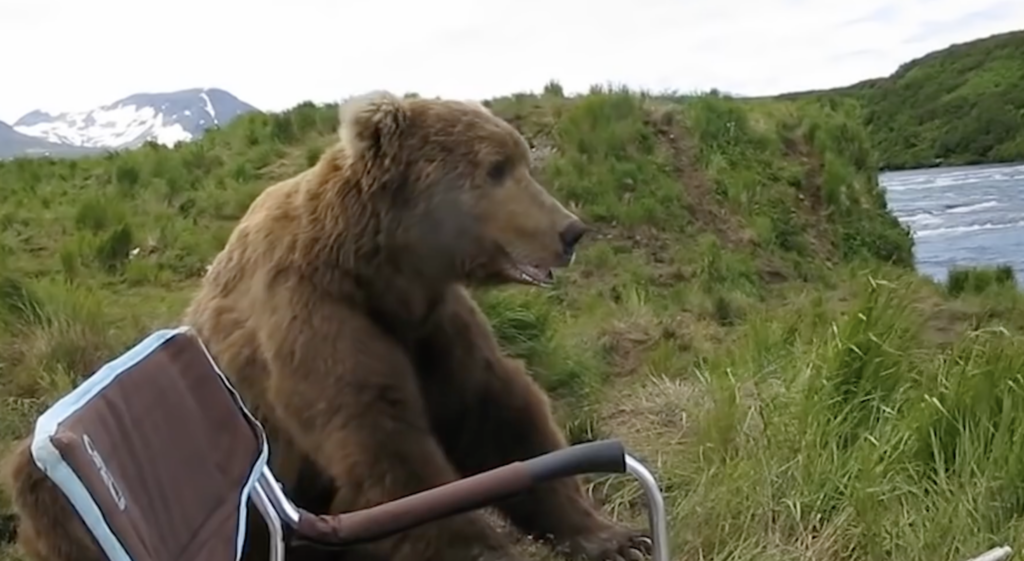
Panicking would be the single worst response available to you. Fleeing might feel like the natural instinct, but black bears can hit speeds close to 40 kilometers per hour, or roughly 25 miles per hour, easily outrunning a person. Heading up a tree offers little real advantage either, since contrary to popular belief, black bears climb extremely well and can follow you right into the branches without much trouble.
Should a black bear actually turn aggressive, sheer physical strength becomes the primary concern. One swipe from a foreleg carries enough force to knock a full grown person straight to the ground, and even though those claws evolved mainly for climbing rather than combat, the power behind them is more than capable of causing serious harm.
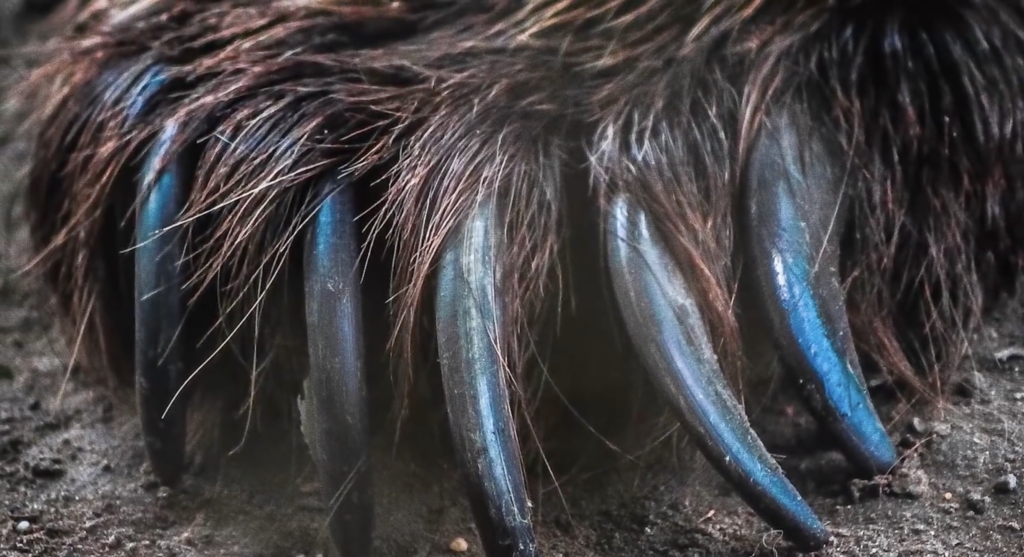
Now picture surviving that encounter only to run into something considerably worse further along the trail, a grizzly bear accompanied by her cubs. This scenario ranks among the most dangerous possible, since mother grizzlies defend their young with intense ferocity and will attack readily if they sense any threat to them.
A charging grizzly can reach roughly 64 kilometers per hour, close to 40 miles per hour, leaving almost no realistic chance of outrunning one. Combined with tremendous body mass and raw muscular power, it stands as one of the most formidable predators found anywhere across North America. Should a grizzly knock you down during what amounts to a defensive attack, wildlife specialists generally advise playing dead, since staying motionless can convince the animal the danger has passed, often prompting it to lose interest and move on.
One species, however, presents a challenge even more severe than either of these, the polar bear.
Unlike black bears or grizzlies, polar bears actively hunt as predators and rank among the rare animals on the planet that may genuinely regard humans as potential prey rather than a threat to avoid. A large adult male can weigh up to 590 kilograms, or about 1,300 pounds, wielding enormous strength alongside powerful jaws and claws fully capable of inflicting catastrophic injury.
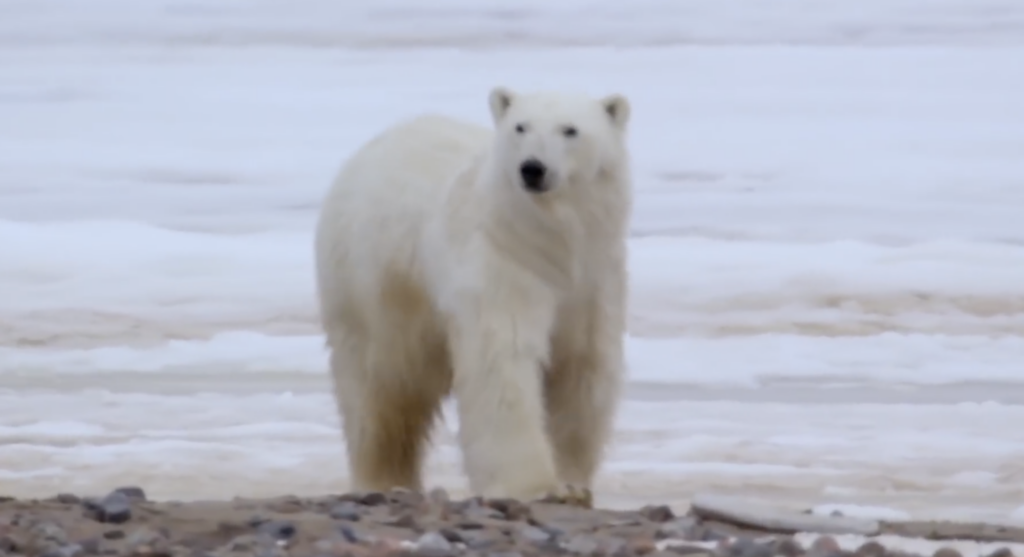
Fortunately, encountering one remains extremely unlikely for most people, since polar bears live almost entirely within Arctic regions, far removed from the forest paths and mountain trails where most bear encounters typically take place.
The encouraging reality is that surviving any bear encounter usually starts long before an animal ever comes into view. Storing food properly, making noise while moving through the wilderness, and maintaining distance from wildlife whenever spotted can all significantly cut down the odds of a dangerous confrontation ever developing.
So would you actually survive a bear attack? It is genuinely possible. Still, if you ever find yourself looking directly into the eyes of one of these massive predators, you will quickly understand that avoiding the situation entirely beats trying to survive it every single time.