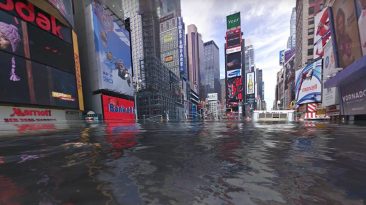
For a moment, everything around you is perfectly ordinary. Then the lights flicker, electronic screens disappear, and an eerie silence spreads through the streets. Within seconds, thousands of devices that people normally depend on could stop responding.
There would be no warning message explaining what happened. Traffic signals could go dark, payment terminals could fail, mobile phones might become useless, and vehicles could suddenly stop operating. Across a major American city, confusion could turn into fear remarkably quickly.
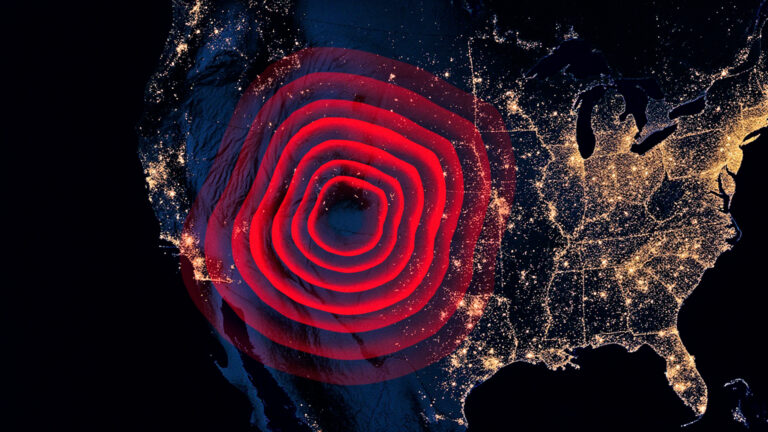
The cause could be an electromagnetic pulse, or EMP, powerful enough to disrupt electronic equipment over a huge area. Instead of attacking one computer system at a time, such an event could interfere with many interconnected technologies simultaneously, creating a crisis far beyond an ordinary power outage.
An EMP is a powerful burst of electromagnetic energy that can interfere with or damage electronic systems. One of the most serious scenarios involves a nuclear device detonated at high altitude, potentially affecting electrical infrastructure, satellites, communications equipment, and other technology across a large region.
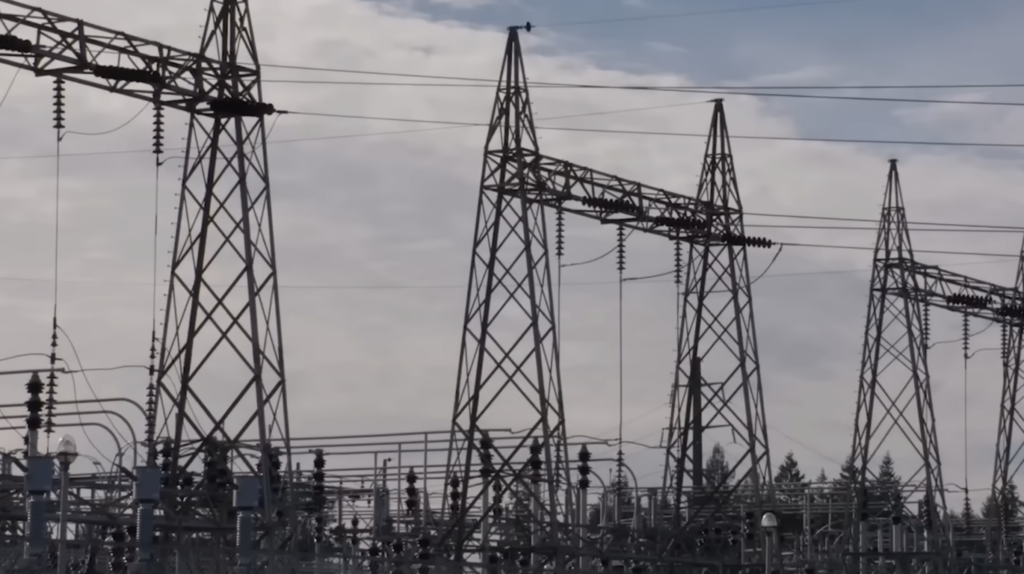
The United States is particularly dependent on a vast electrical network that connects cities, businesses, homes, transportation systems, and essential services. Much of everyday life assumes that electricity will always be available, making a widespread disruption especially difficult to handle.
The power grid also depends on thousands of transformers that move electricity between different parts of the network. Some of the largest units are enormous pieces of equipment that are expensive, difficult to transport, and not quickly replaced if they are seriously damaged.
If enough important equipment stopped functioning at the same time, restoring the grid could become a complicated process. A damaged transformer cannot simply be replaced with a spare from a nearby warehouse, because specialized equipment can require long manufacturing and transportation times.
The consequences would extend far beyond homes losing electricity. Fuel stations could stop pumping gasoline, banks could lose access to essential systems, hospitals could face equipment and power problems, and water treatment facilities could struggle to continue normal operations.
The opening hours of an EMP crisis would probably be dominated by uncertainty. People would want answers, but the systems normally used to provide those answers could be among the first things affected.

Television stations, internet connections, mobile networks, and other communication services could become unavailable in affected areas. Without reliable information, rumors could spread rapidly as people tried to understand whether the outage was local, regional, or something much larger.
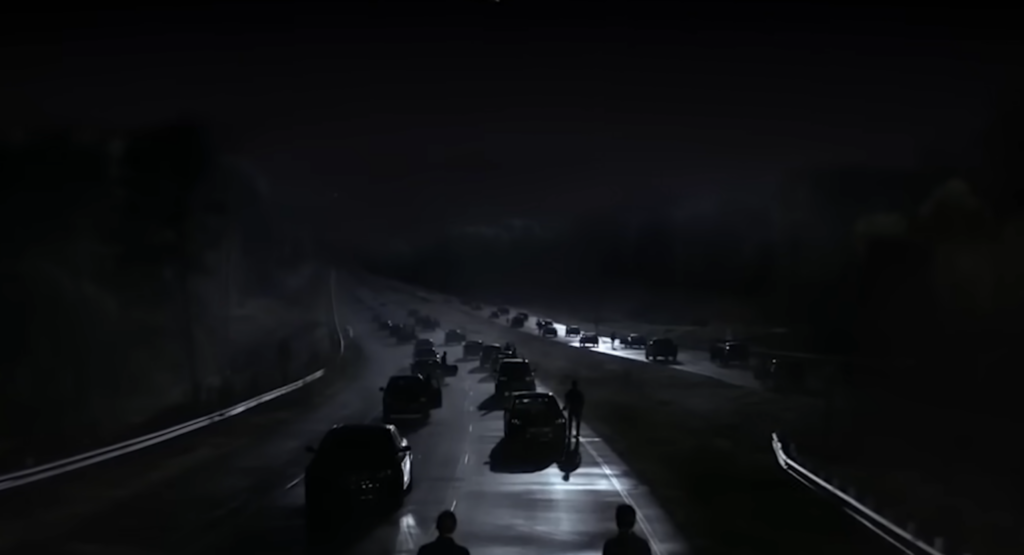
Transportation could create another major problem. Many modern vehicles depend on electronic components, meaning some could potentially be affected by a sufficiently powerful electromagnetic event. Roads could become crowded with stranded drivers while emergency crews attempted to respond to accidents and other emergencies.
At the same time, stores would begin facing difficulties. Supermarkets rely on refrigeration, computer systems, transportation, lighting, inventory management, and electronic payment networks. Even if food remained inside warehouses, getting it into customers’ hands could become increasingly difficult.
Water would become one of the most urgent concerns. Large cities depend on electrically powered pumps and treatment facilities to move and clean enormous quantities of water every day. If those systems remained offline for an extended period, normal supplies could become increasingly difficult to maintain.
People living in densely populated cities could face particular challenges because millions of residents depend on complex infrastructure every day. Communities with access to farms, wells, local food production, or other independent resources might have more options available.
Critical facilities would face their own set of problems. Hospitals could rely on backup generators, but generators require fuel and maintenance. Water facilities would need electricity to continue pumping and treating water, while other essential services would have to operate with increasingly limited resources.
Nuclear power facilities would also require careful management. Even when a reactor is shut down, systems are still needed to remove remaining heat. Backup equipment is designed for emergencies, but maintaining those systems during a prolonged nationwide disruption would present serious challenges.
The military could become an important part of the national response. Certain military systems and facilities are designed with electromagnetic threats in mind, meaning some protected operations could remain functional even while civilian infrastructure was experiencing widespread disruption.
That would not make the crisis simple to control. Moving personnel, distributing supplies, communicating across long distances, and maintaining essential services would be extremely difficult if transportation networks and civilian communications were badly disrupted.
For individuals, basic preparation could become extremely important. Stored drinking water, shelf stable food, medical supplies, flashlights, batteries, manual tools, and other emergency equipment could help households cope while authorities worked to restore essential services.
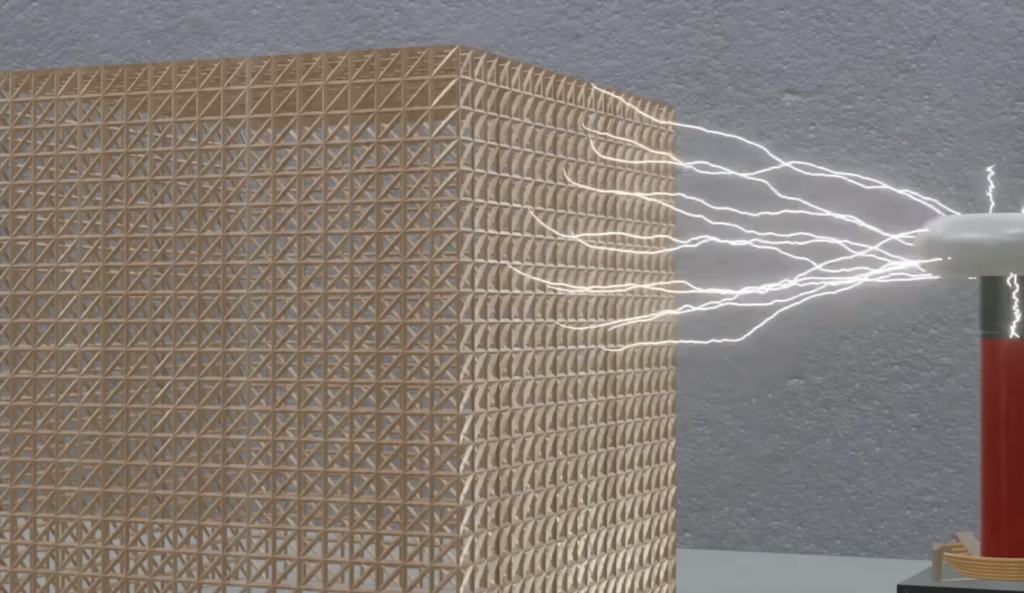
Some people also use electromagnetic shielding to protect selected electronic devices. Faraday containers can reduce exposure to electromagnetic energy, although their effectiveness depends on how they are constructed and the characteristics of the event.
How severe the aftermath became would depend on many factors, including the strength and location of the event, the area affected, the condition of the electrical grid, and how quickly damaged infrastructure could be repaired.
Some experts have warned that a large scale EMP could produce serious humanitarian consequences if power remained unavailable for a prolonged period. Other analyses have questioned the most extreme scenarios, pointing out that the actual effects would depend heavily on the specific circumstances and the resilience of individual systems.
Regardless of the exact outcome, an event of this scale would reveal just how deeply electricity has become connected to ordinary life. Food distribution, transportation, communications, banking, healthcare, water supplies, and countless other services all depend on systems that most people rarely think about.

If the disruption lasted long enough, communities would have to rely more heavily on local resources and practical knowledge. Farmers, mechanics, electricians, engineers, medical workers, and others with hands on skills could become increasingly important as communities attempted to maintain essential services without their normal technological support.
Local trading systems could gradually replace some digital transactions, while communities might begin producing more of what they need themselves. Rebuilding the national infrastructure would be a much larger challenge, potentially requiring years of work and enormous financial resources.
An EMP attack would therefore be far more than a moment when the lights suddenly go out. Its greatest danger could come from the chain reaction that follows, as communication, transportation, food, water, healthcare, and other systems struggle without the technology that normally connects them.