New geological models and updated hazard assessments from the U.S. Geological Survey and leading universities are once again raising concern across the American West. Scientists say that mounting tectonic pressure along major fault systems is increasing the likelihood of a significant seismic event affecting five states in particular: California, Washington, Oregon, Nevada, and Utah.
While the idea of “The Big One” has long been part of life on the West Coast, newer data from satellite measurements, deep earth sensors, and paleoseismic studies suggests that both the timing and potential impact of a major rupture may be more serious than earlier estimates indicated.
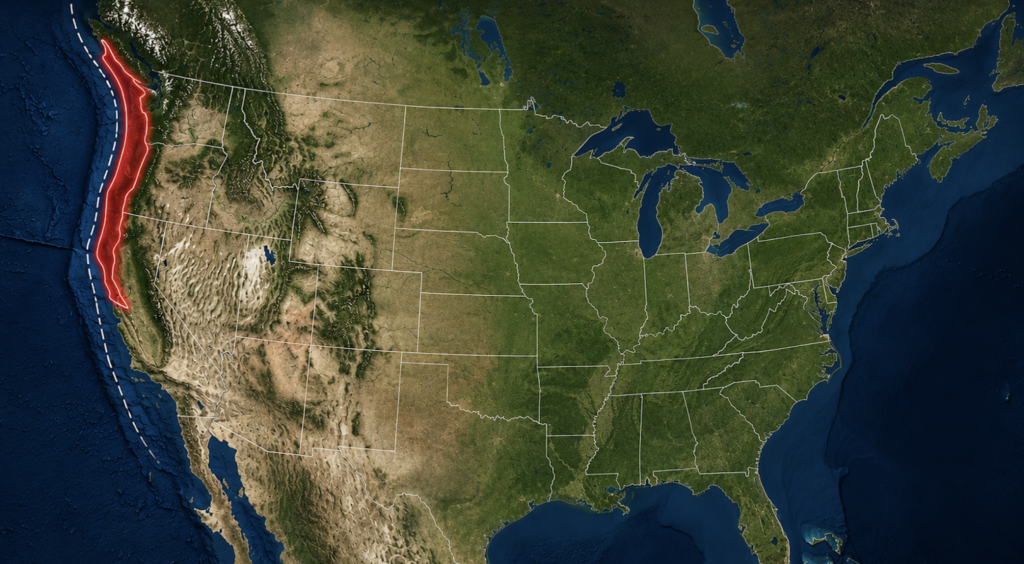
Here is how seismic risk is unfolding across the most vulnerable regions.
Washington and Oregon: The Cascadia Subduction Zone
For years, California has dominated earthquake discussions, but scientists increasingly point to the Pacific Northwest as the location of the most powerful potential earthquake in the contiguous United States.
The Cascadia Subduction Zone stretches roughly 700 miles from Northern California through Oregon and Washington and up toward Vancouver Island. In this region, the Juan de Fuca plate is slowly sliding beneath the North American plate, locking in place and building extreme stress over time.
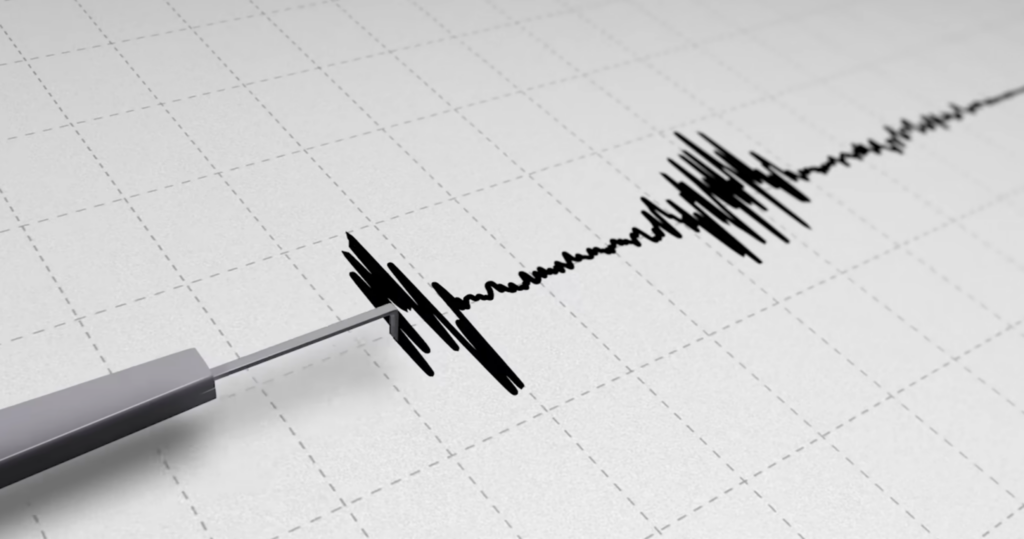
Recent assessments suggest there is roughly a 15 to 22 percent chance of a full margin rupture within the next 50 years. Such an event could produce a magnitude 8.7 to 9.2 earthquake, capable of triggering a massive tsunami. In coastal areas, wave heights could reach up to 100 feet, while parts of the coastline could suddenly drop by several feet.
Emergency planners warn that the human and infrastructure impact could be severe, with tens of thousands of potential casualties across Oregon and Washington and widespread disruption to transportation, power, and communication systems.
California: Locked Faults and Growing Strain
California continues to be the most seismically active state in the lower 48, experiencing thousands of small earthquakes every year. However, scientists note that recent periods of lower activity, including a lack of larger magnitude events in some regions, may indicate that stress is building along major faults.
Particular concern remains focused on the southern section of the San Andreas Fault and the Hayward Fault in the San Francisco Bay Area. These faults are considered heavily locked in several segments, meaning energy is steadily accumulating underground.

The latest seismic hazard models show a significant risk of strong ground shaking affecting major population centers such as Los Angeles and San Francisco. Because of the state’s dense population and infrastructure, even a single large earthquake could lead to massive economic losses and widespread damage affecting millions of residents.
Nevada: Active Crust in the Basin and Range
Nevada is often overlooked in earthquake discussions, yet it ranks among the most seismically active states in the country. The region sits within the Basin and Range province and along the Walker Lane, where the Earth’s crust is slowly stretching and breaking apart.
In recent years, moderate earthquakes, including events near Carson City and Silver Springs, have reminded scientists that the region remains highly active. These quakes are viewed as indicators of ongoing crustal deformation rather than isolated incidents.
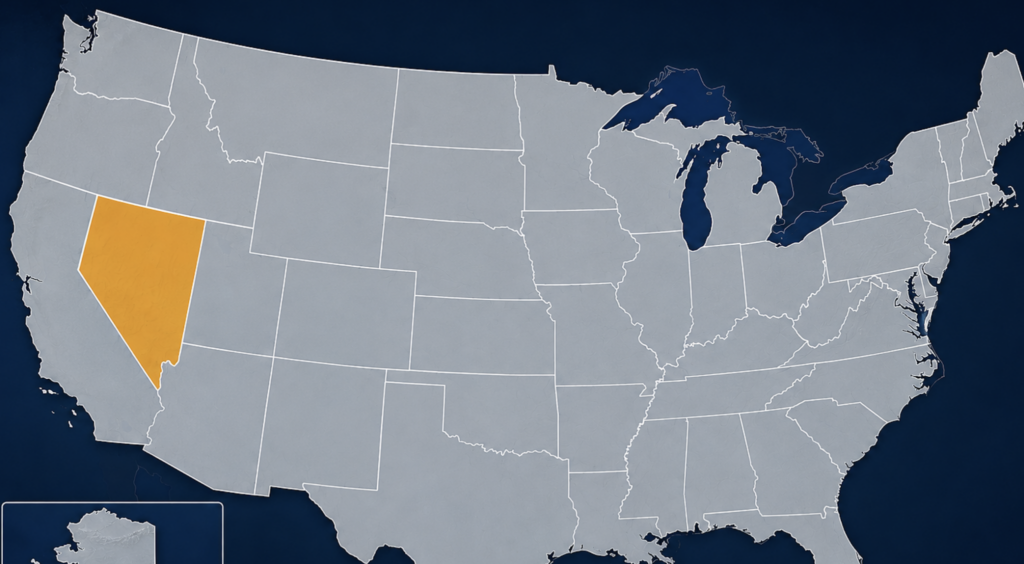
A larger earthquake in Nevada could have serious regional consequences, including disruption of major transportation routes and utility systems that connect California with other parts of the United States.
Utah: The Overdue Wasatch Fault Zone
Further inland, Utah faces a significant earthquake risk along the Wasatch Fault Zone. This fault runs roughly 240 miles from southern Idaho through central Utah and sits directly beneath the Wasatch Front, where most of the state’s population is concentrated, including Salt Lake City.
Geological evidence shows that this fault typically produces large earthquakes of magnitude 7 or greater roughly every 300 to 400 years. Since the last major rupture occurred centuries ago, scientists consider the fault to be overdue for a significant event.
A major earthquake along the Wasatch Front would be especially dangerous due to the concentration of population and the vulnerability of older buildings that were not designed to withstand strong shaking. Experts warn that the resulting damage could make it one of the most costly natural disasters in United States history.