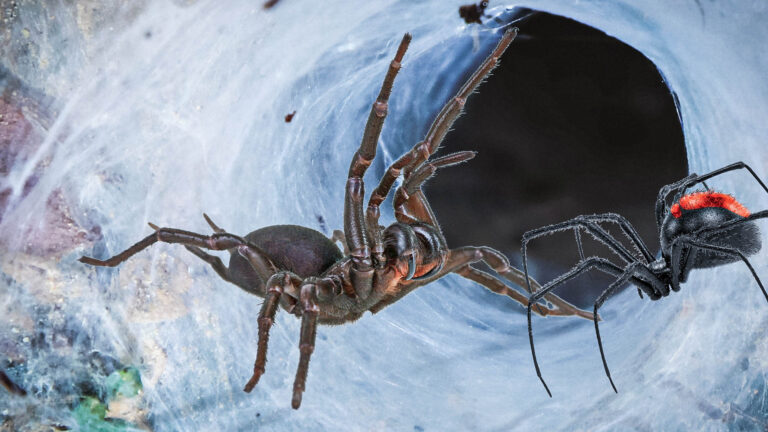
Spiders are everywhere on Earth. Scientists have identified around 45,000 known species, but estimates suggest there could be many more still undiscovered. They exist in nearly every environment on the planet, from deserts to rainforests to the corners of our homes.
They also vary dramatically in size. Some are so small they are barely visible to the human eye, like the Samoan moss spider at around 0.3 millimeters. Others, like the South American Goliath birdeater, can reach sizes up to 30 centimeters, roughly the size of a dinner plate.
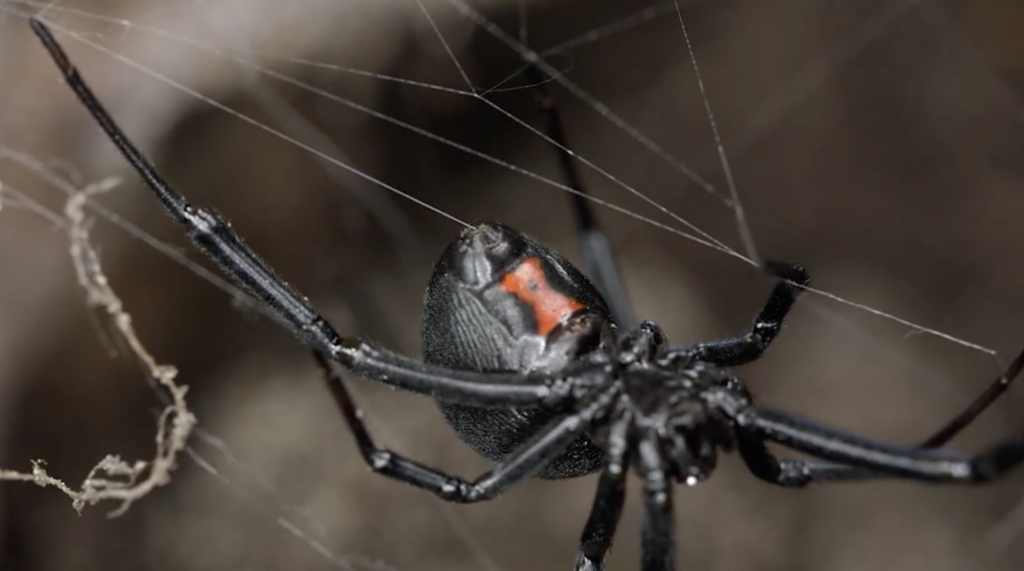
Despite their reputation, most spiders are not dangerous to humans. Across all known species, only a small number are capable of causing serious harm, and even then, bites are extremely rare. Spiders typically only bite when they feel threatened, and they do not spread diseases in the way that insects like mosquitoes or ticks do.
In fact, many spiders are beneficial to humans because they feed on insects that are far more harmful to us. They naturally help control populations of pests that can spread disease and damage crops.
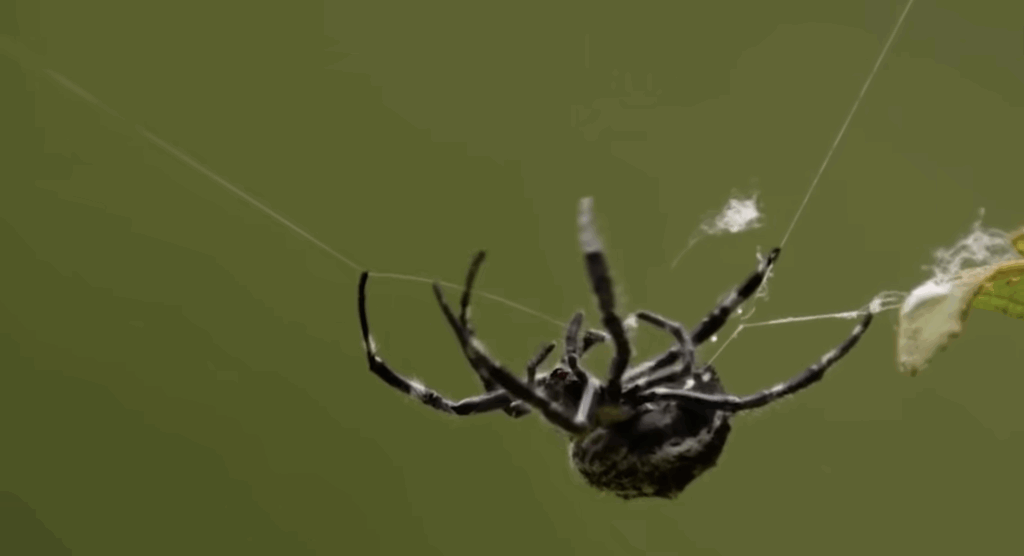
If spiders suddenly disappeared, the balance of many ecosystems would be disrupted. One of the most immediate effects would be a sharp increase in insect populations. Without spiders acting as natural predators, insects such as flies, mosquitoes, and agricultural pests would likely multiply rapidly.
This could lead to a rise in insect borne diseases such as malaria, dengue, and Zika in some regions, as well as significant damage to crops that humans rely on for food. Staples like wheat, corn, rice, oats, rye, and potatoes could be heavily affected by uncontrolled insect activity.
To compensate, humans would likely rely more heavily on pesticides. However, increased pesticide use brings its own risks, including environmental damage, contamination of water sources, and potential health concerns for humans and wildlife.
Food systems could also be forced to adapt in unexpected ways. With fewer crops available, alternative food sources might become more important. Insects themselves are already edible and nutritious, and there are thousands of species that humans can safely consume. In a world with reduced agricultural stability, insect based foods could become more common in human diets.
The impact would not stop at food and agriculture. Spiders also play an important role in science and medicine. Their venom contains compounds that researchers are studying for potential medical applications, including treatments for neurological disorders and infectious diseases.
For example, scientists have explored spider venom compounds in research related to conditions like muscular dystrophy, while other studies investigate how certain toxins might be used to target diseases such as malaria.
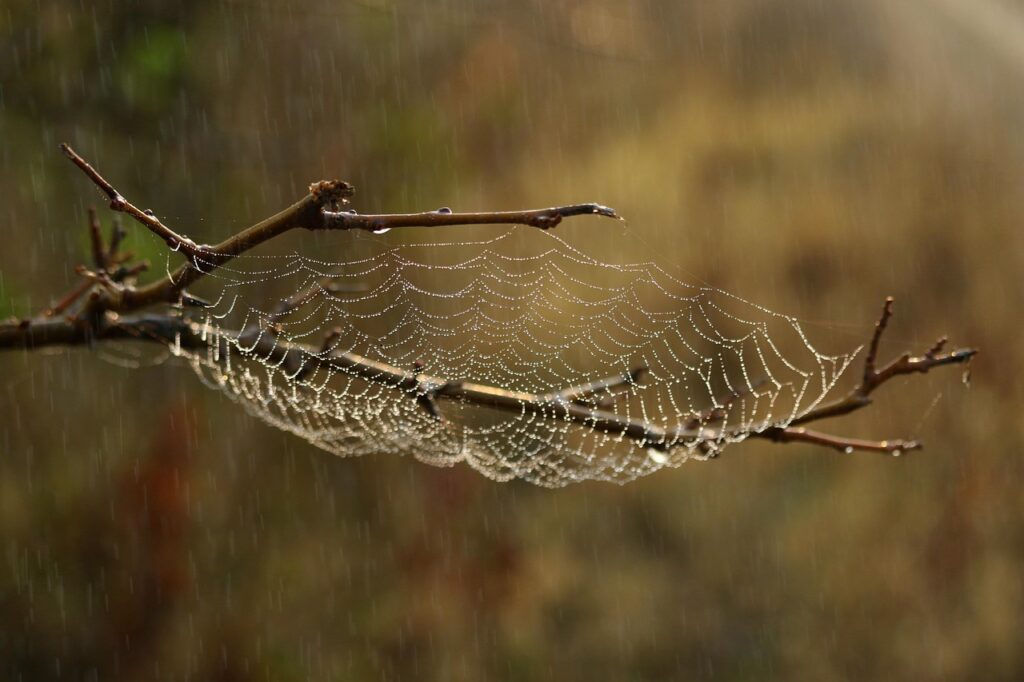
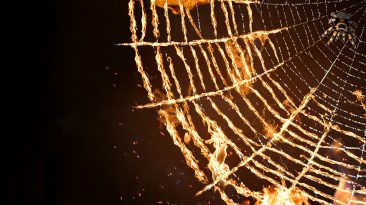
Spider silk is another remarkable biological material. It is lightweight, flexible, and extremely strong, with some estimates suggesting it can be stronger than steel or Kevlar when compared by weight. Because of this, scientists are researching ways to use spider silk in everything from medical sutures to protective materials and even advanced textiles.
If spiders were removed entirely from the planet, these potential innovations could be lost before they are ever fully developed. Entire branches of research in biology, medicine, and materials science would be affected.
There is still debate among scientists about how catastrophic the removal of spiders would be on a global scale. Some studies suggest that ecosystems are complex enough that other predators might partially fill their role over time, such as birds, bats, and lizards. However, most agree that the balance would be heavily disrupted in the short term.
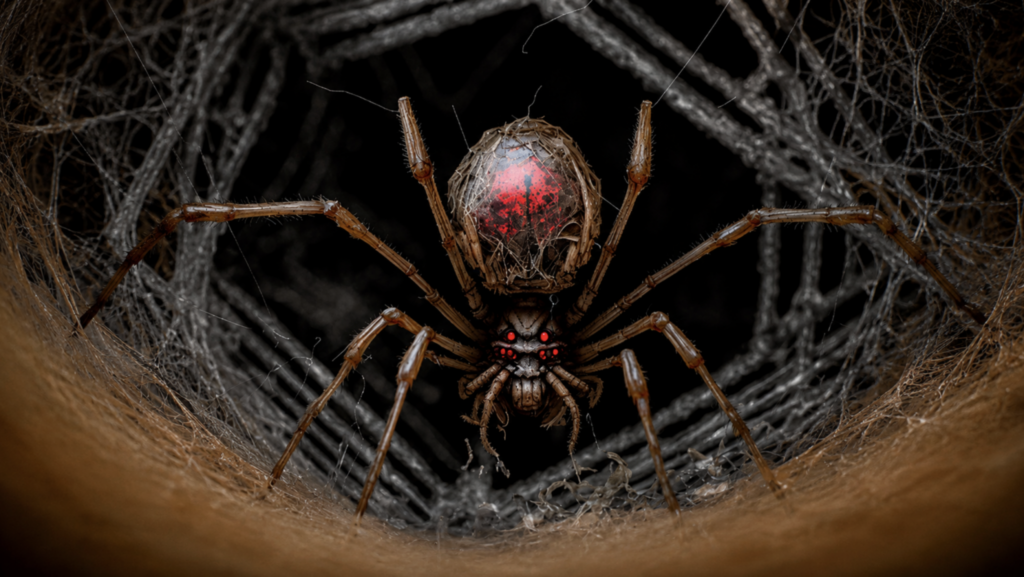
Even if the extinction of spiders did not lead to total ecosystem collapse, it would almost certainly create widespread instability in food chains, agriculture, and disease control systems.
In the end, spiders are not just silent creatures hiding in corners. They are a crucial part of how ecosystems function. Removing them would not simply eliminate a few species. It would change the structure of nature itself in ways that are difficult to fully predict.